Guide to Selecting EPC Contractors for Oil & Gas
Dive into this guide to selecting EPC contractors for oil and gas so you can seek out the help you need for your next project as soon as possible.
Every successful oil and gas facility begins with the right project partner. An EPC contractor influences engineering decisions, procurement strategies, construction quality, and project coordination from the first meeting through final turnover. Our comprehensive guide to selecting EPC contractors for oil and gas offers a practical framework for professionals who want confidence before construction begins. A thoughtful evaluation at the front end can save time and create a smoother path from concept to completion. Take time to review every candidate carefully before moving forward with a major investment.
Experience Should Match the Project
Not every EPC contractor brings the same background to the table. A company that performs well on manufacturing facilities may not possess the same depth of knowledge required for pipelines, terminals, storage facilities, or processing plants. Project history deserves close attention because past work provides a realistic picture of future performance.
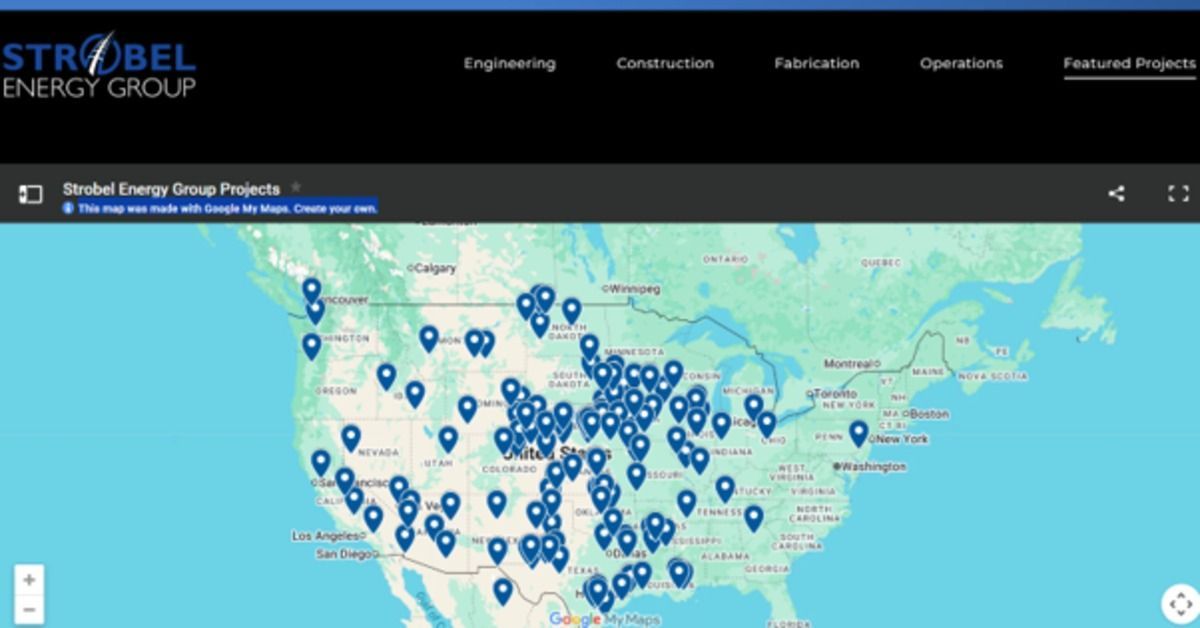
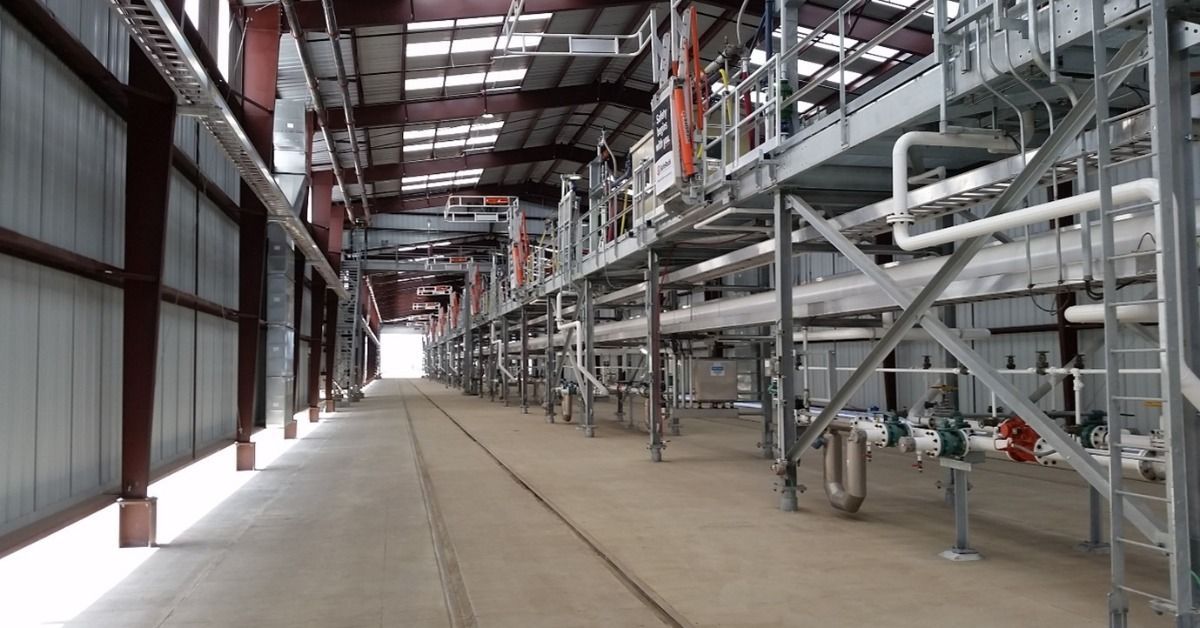
This is especially important when you have a specific discipline. For example, Strobel Companies has a wealth of experience and expertise in integrating rail into terminals, with over 30 years in both the EPC and operations of these facilities.
Look beyond the total number of completed jobs. Focus on projects with similar scope, size, technical demands, and operating environments. Familiarity with complex specialties allows project teams to move with greater confidence once construction begins. That experience also helps crews anticipate challenges before they become expensive delays.
Integrated Services Create Better Coordination
Engineering, procurement, and construction all rely on constant communication. When those services operate under one organization, project information flows more naturally from one phase to the next. Design revisions reach procurement teams quickly, and field supervisors receive updated plans without unnecessary confusion.
Picture a project that requires an equipment layout adjustment after site preparation begins. An integrated EPC team can review the revision, update drawings, coordinate material orders, and notify construction crews without lengthy back-and-forth conversations between separate companies. Faster coordination helps projects maintain momentum from start to finish.
Project Management Deserves Close Attention
Strong project management extends far beyond schedules and progress reports. It creates structure across hundreds of daily decisions that influence cost, productivity, and quality. Every department benefits from clear leadership that keeps everyone focused on shared objectives.
Look for reliable contractors who establish realistic milestones and communicate progress on a consistent basis. You should expect regular updates, straightforward discussions about challenges, and practical solutions instead of vague promises. Transparency builds trust throughout every phase of construction.
Procurement Strength Supports Reliable Schedules
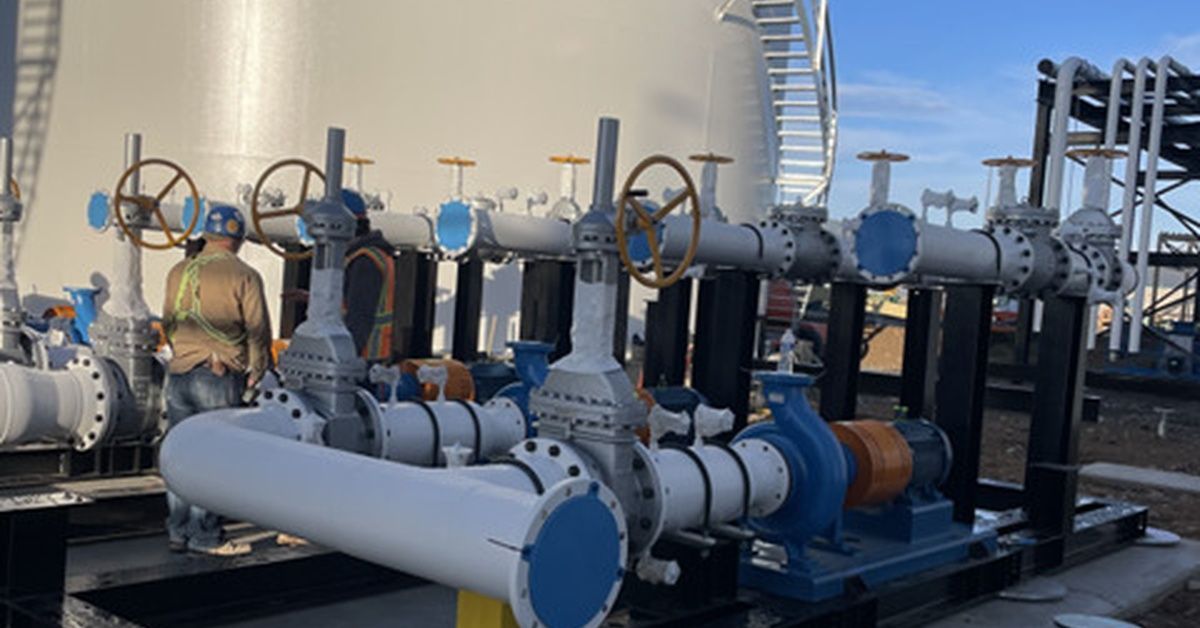
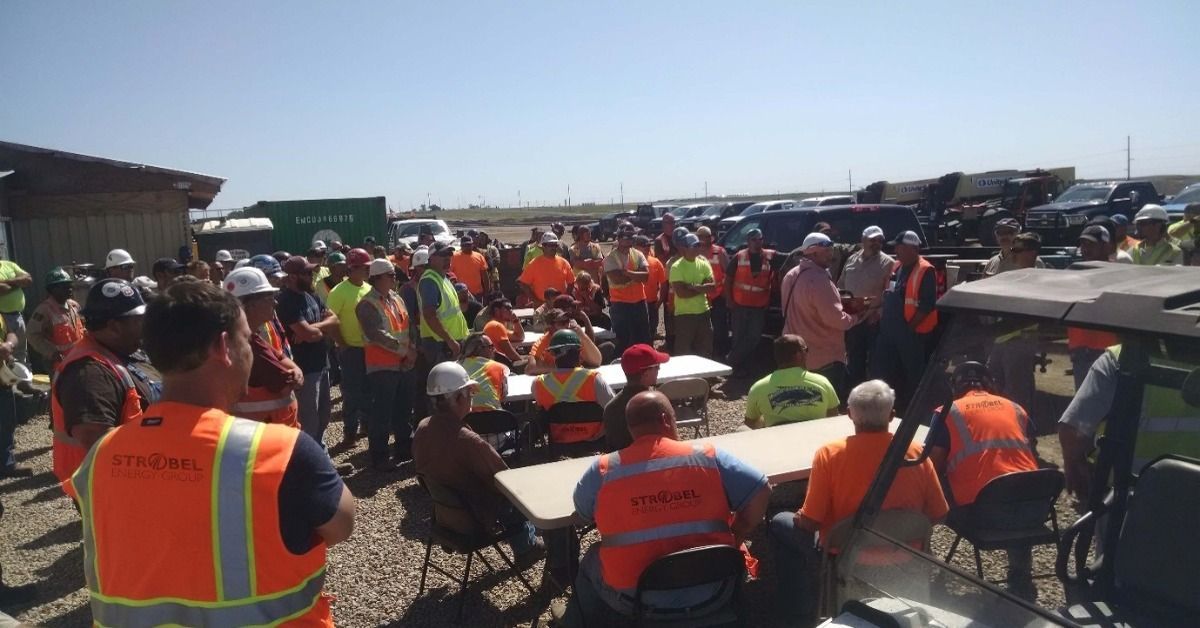
Material procurement plays a larger role than many owners realize. Specialty equipment, fabricated components, valves, pumps, structural steel, and instrumentation all arrive according to carefully planned schedules. Delays with even one item can affect multiple trades across the project.
Established supplier relationships provide greater visibility into manufacturing timelines and shipping expectations. Early coordination allows procurement teams to respond before delays spread across the construction schedule. Careful planning also reduces the likelihood of expensive last-minute substitutions.
Fabrication Capabilities Add Value
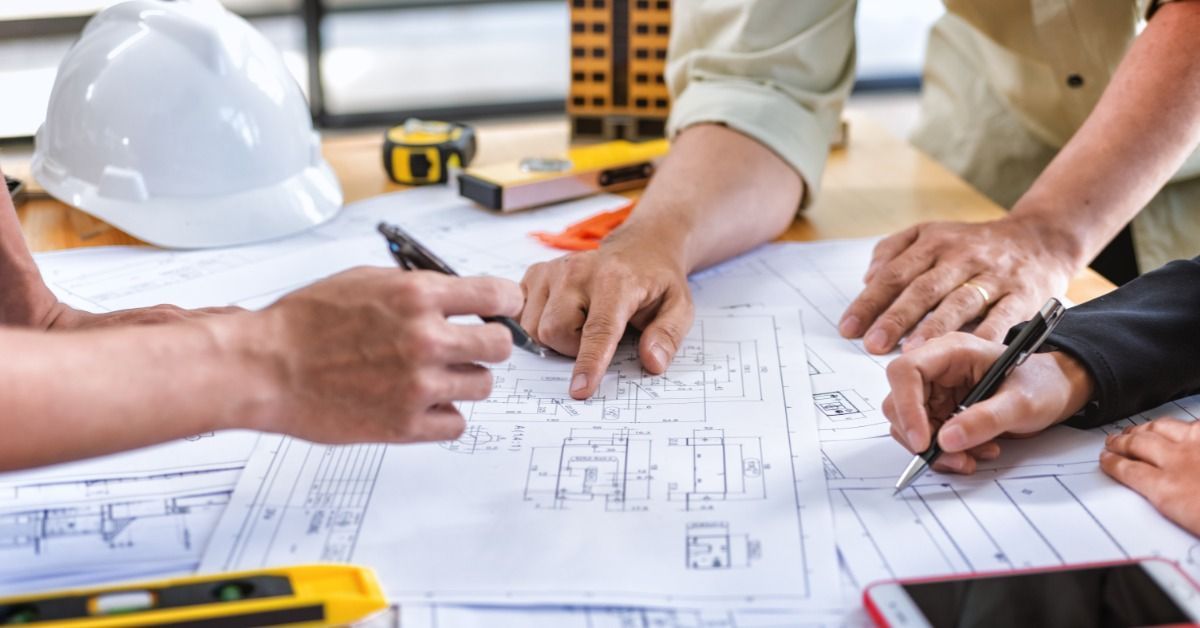
Following a guide to selecting EPC contractors for oil and gas highlights how important each step of the process is, including fabrication. This is because fabrication quality influences field productivity from the moment materials arrive on site. Accurate dimensions and consistent workmanship reduce rework and help installation crews maintain steady progress.
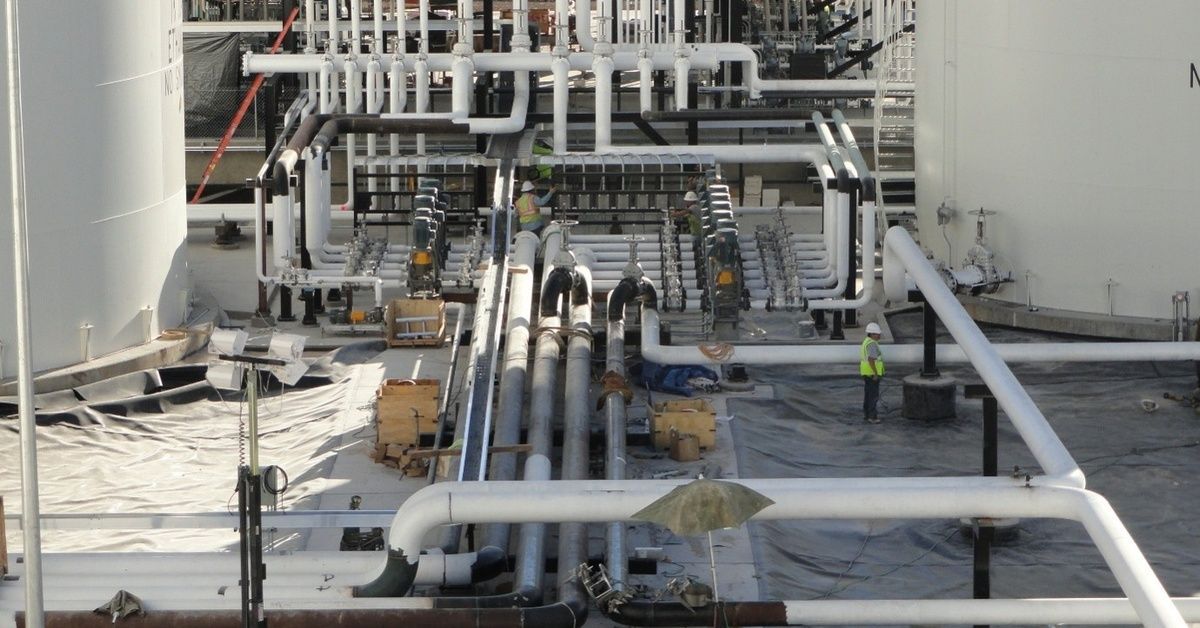
That level of precision becomes especially valuable on large industrial facilities with extensive piping and structural steel. Contractors with dedicated fabrication resources also maintain greater control over production schedules. Engineering teams communicate directly with fabrication personnel, allowing revisions to move through the process with less disruption. Better coordination leads to smoother project execution. An EPC with a fabrication shop, with operation experience and a track record of decades of successful projects is a winning formula.
Safety Reflects Company Culture
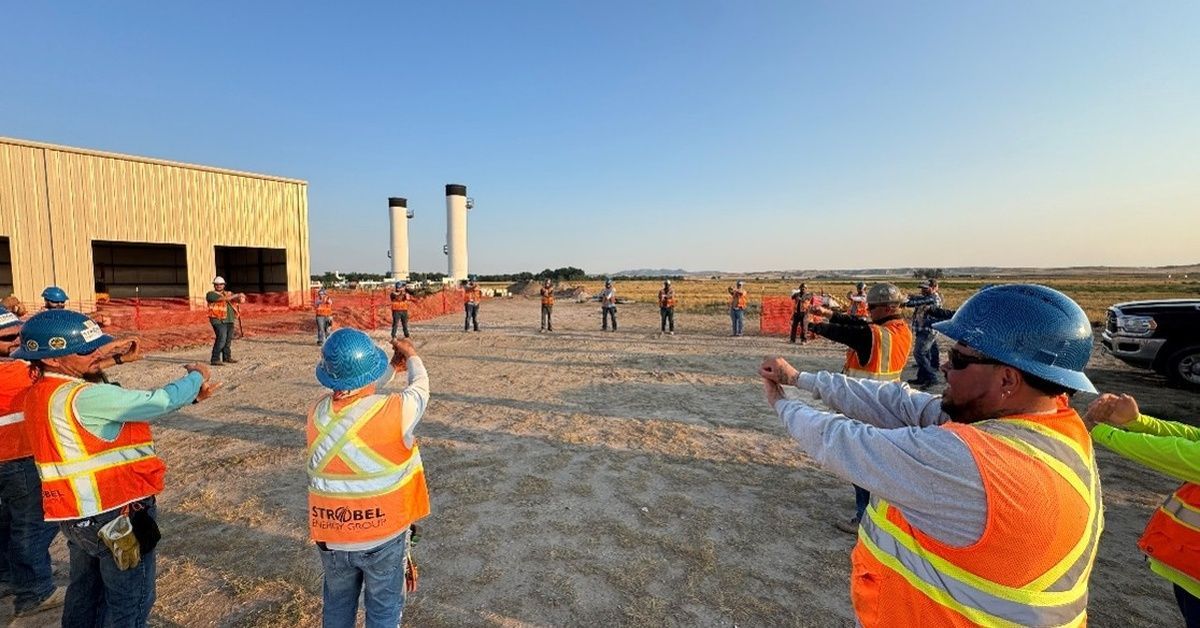
Safety programs reveal far more than written policies. Daily habits, workforce training, leadership involvement, and jobsite discipline all contribute to a culture that values every employee. Strong organizations view safety as part of every decision rather than a separate task.
They are super vigilant to review any and every incident alongside an integrated employee training program and robust field supervision practices. Contractors committed to continuous improvement invest considerable effort into preparation before work begins. That commitment supports both workforce well-being and project reliability.
Financial Stability Matters
Oil and gas construction projects require substantial resources over extended periods. Financial strength allows contractors to purchase materials, retain experienced personnel, and respond to changing project demands without unnecessary disruption. Business owners benefit from partners with a stable business foundation. Financial stability also supports investments in equipment, technology, and workforce development. Those investments strengthen project delivery across every stage of construction.
Communication Builds Strong Partnerships
Once you contact an
EPC services company for your project, you will quickly see the importance of good communication skills. Technical expertise carries tremendous value, yet communication determines how effectively that expertise reaches the project. Business owners deserve prompt responses and honest conversations throughout engineering and construction.
Technology Supports Better Project Visibility
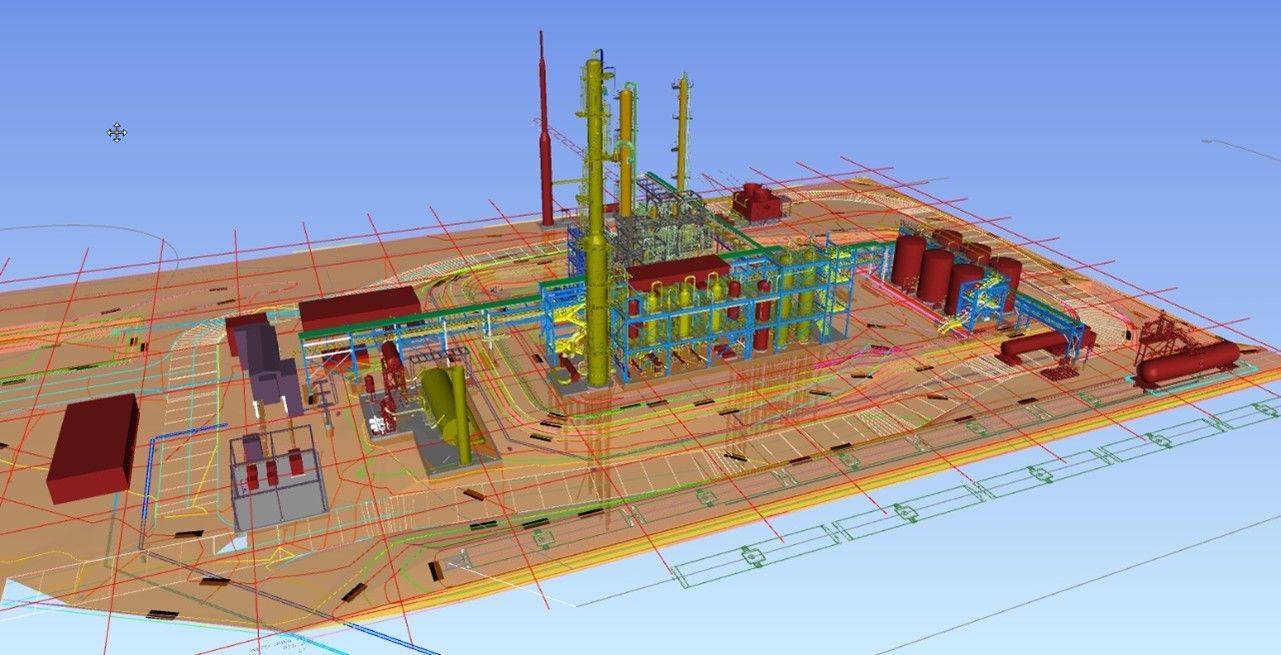
Today’s EPC contractors rely on digital tools that improve collaboration across engineering offices, fabrication facilities, procurement departments, and construction sites. Accurate information allows every team member to work from the latest project data. Scheduling software, document management systems, and progress tracking platforms help project leaders identify concerns early. Faster access to reliable information supports better decisions throughout the life of the project. Technology complements experienced professionals rather than replacing sound judgment.
Review Quality Control Processes
Quality control influences every stage of construction, from material inspections through final commissioning. Contractors should follow documented procedures that verify workmanship before completed systems move to the next phase. Thorough inspections reduce costly corrections later in the schedule.
Ask how inspection records, testing procedures, and documentation receive management throughout the project. Clear quality standards promote consistency across engineering, fabrication, and field construction. Attention to detail at every step contributes to dependable long-term performance.
Look Beyond Project Completion
The relationship between owner and contractor should not end after commissioning the project. Future expansions, maintenance work, equipment upgrades, and operational improvements become much easier when the original EPC partner remains available for continued support. Long-term relationships create familiarity with facility layouts and operational goals. That continuity reduces time spent bringing new teams up to speed during future projects. Reliable support also provides extra confidence long after construction wraps up.
A successful oil and gas project depends on much more than competitive pricing. Experience, integrated services, communication, fabrication resources, procurement strength, financial stability, and disciplined project management all contribute to dependable project delivery. Careful evaluation before contract award creates a stronger foundation for every phase that follows. Invest time at the beginning, compare capabilities with care, and build a partnership that supports reliable results for years to come.