
ARTICLES
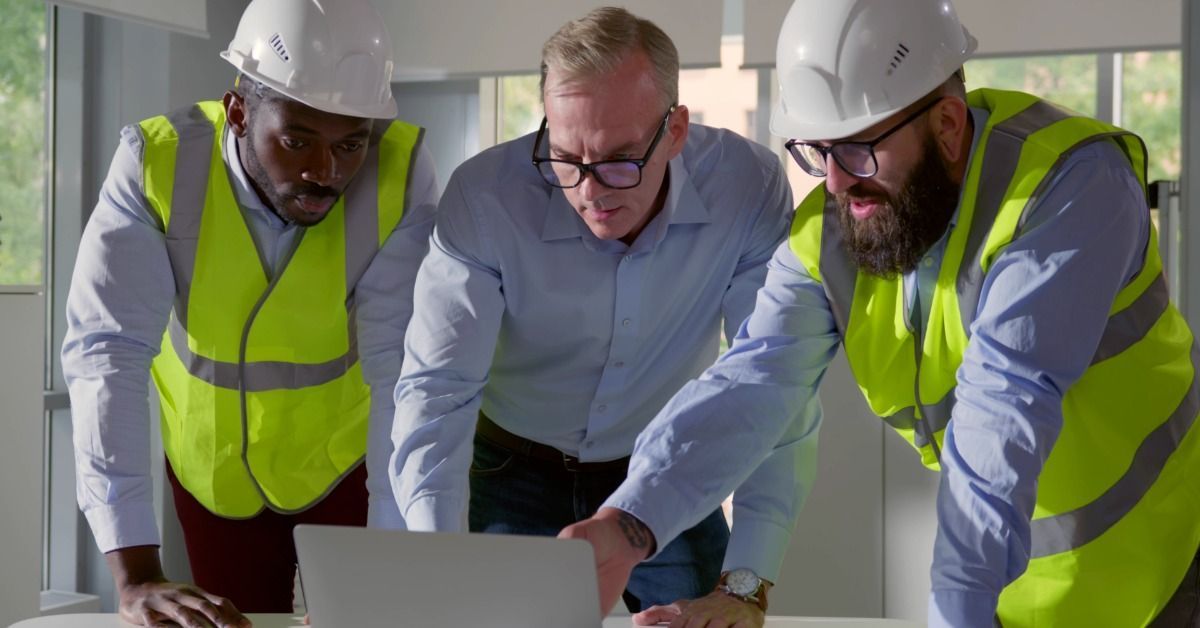
EPC agreements keep your project on track. Manage your next project with ease by learning how you can start streamlining construction through EPC agreements.
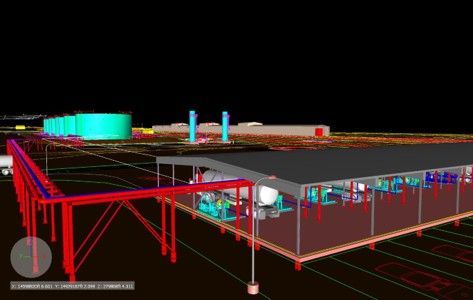
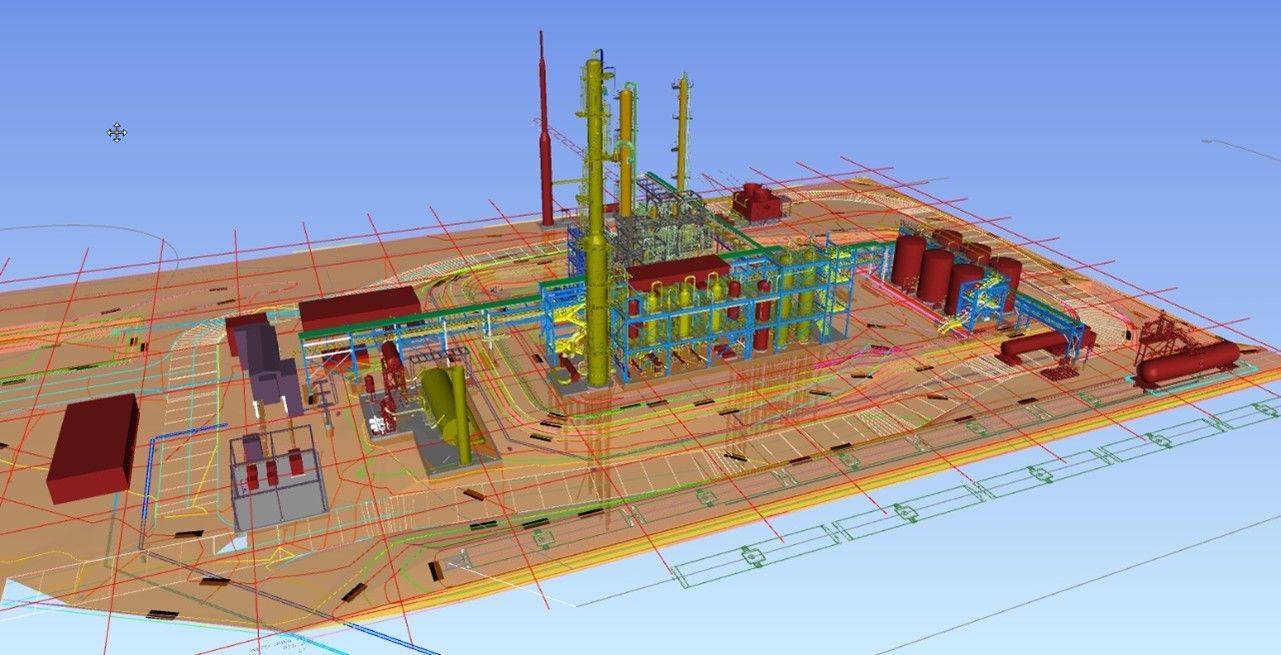
Large industrial projects can get complicated fast. Owners have budgets to protect, schedules to meet, technical requirements to define, and numerous decisions to settle before construction can start. Front-end engineering design, or FEED, gives project teams a structured way to address those details before crews arrive on site. A strong FEED phase can turn an early concept into a much clearer project plan. That’s the central idea behind how FEED improves project planning and outcomes. With more definition at the front end, business owners can approach later project phases with better information and fewer unresolved details. Find out how you can start successfully using the FEED technique immediately What Is Front-End Engineering Design? FEED takes place after initial project concepts take shape but before detailed engineering, procurement, and construction move ahead. During this phase, the project team develops the technical scope and examines factors that could affect cost, schedule, constructability, and execution. The exact scope of FEED depends on the project. A terminal expansion may require site layouts, equipment requirements, process data, utility needs, piping concepts, and preliminary specifications. A new facility may call for an even broader review because the team has fewer existing conditions to use as a baseline. FEED creates a bridge between an idea and a project that’s ready for detailed execution. Rather than rush from a broad concept into major commitments, the owner gets a chance to define what the project actually requires.
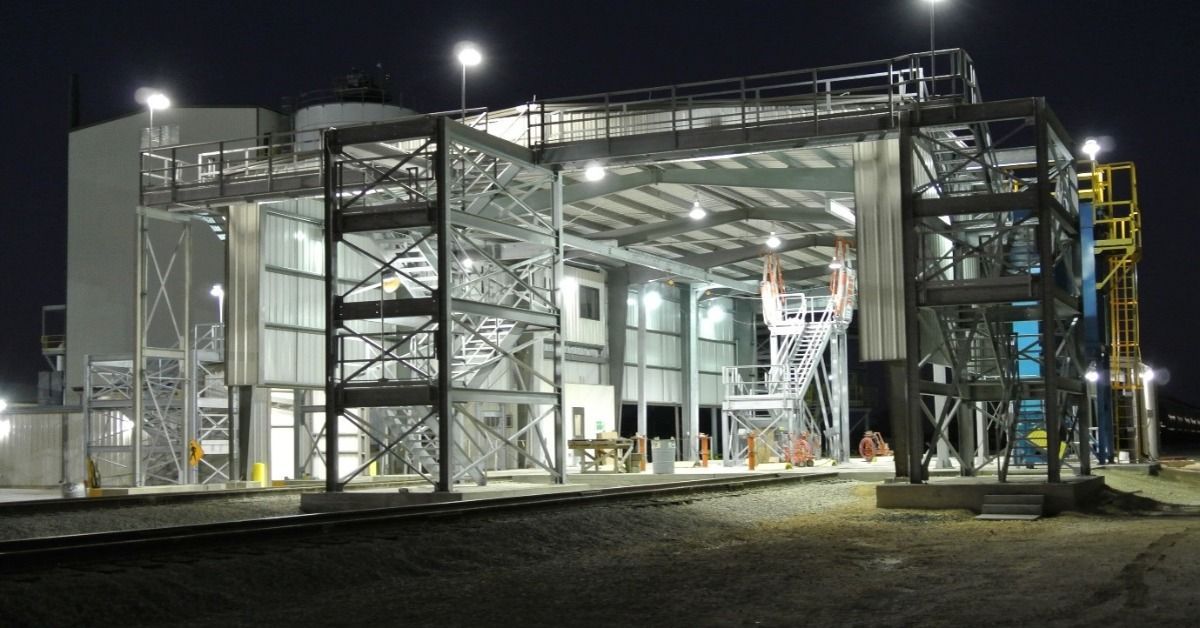
Dive into this guide to selecting EPC contractors for oil and gas so you can seek out the help you need for your next project as soon as possible.
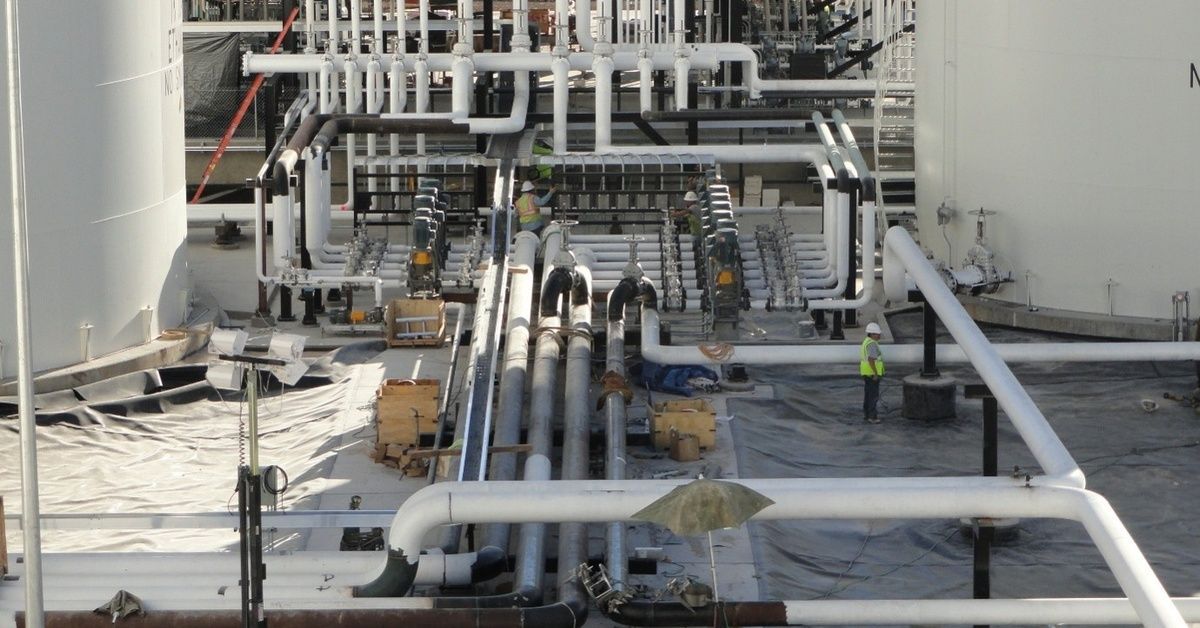
Learn about the ways industrial contractors manage complex projects so you can navigate the construction process with great results every time.
Learn how to build efficient multimodal terminals so you can begin construction with fewer mistakes and greater focus on every step of the process.

Let’s identify the importance of quality control in EPC projects so you can start collaborating with experts on this essential step right now.
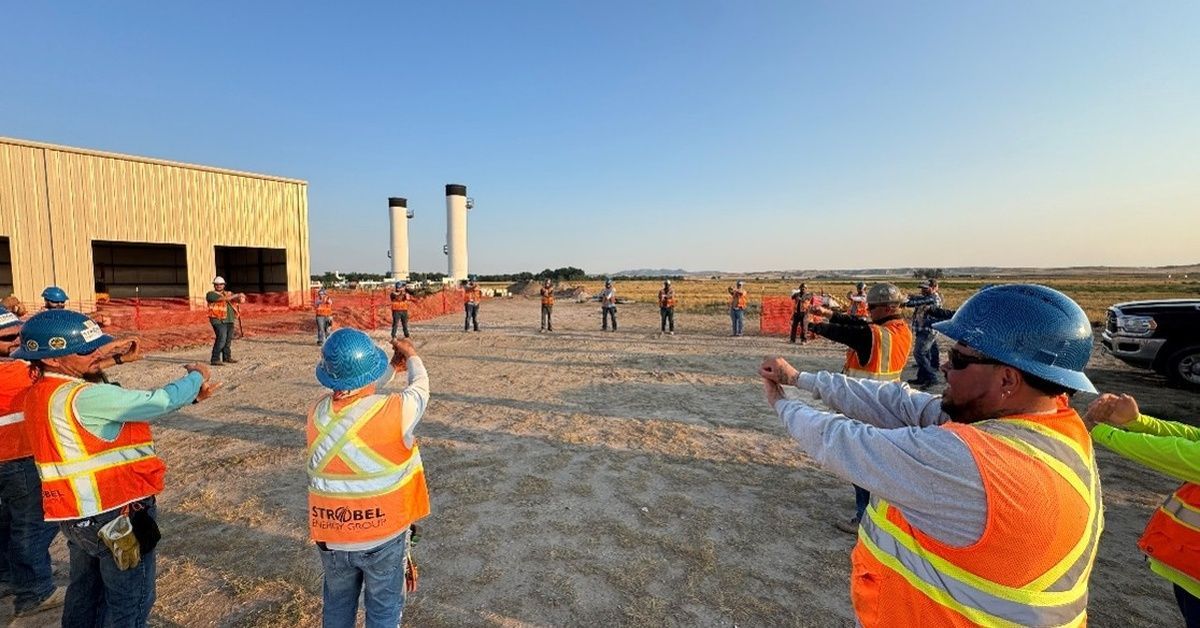
Use this helpful guide to fully understand how strong culture and leadership drive client success so you can partner with reliable experts today.

Develop a strong strategy for your next project by following this guide breaking down the reasons early EPC involvement is critical to cost certainty.
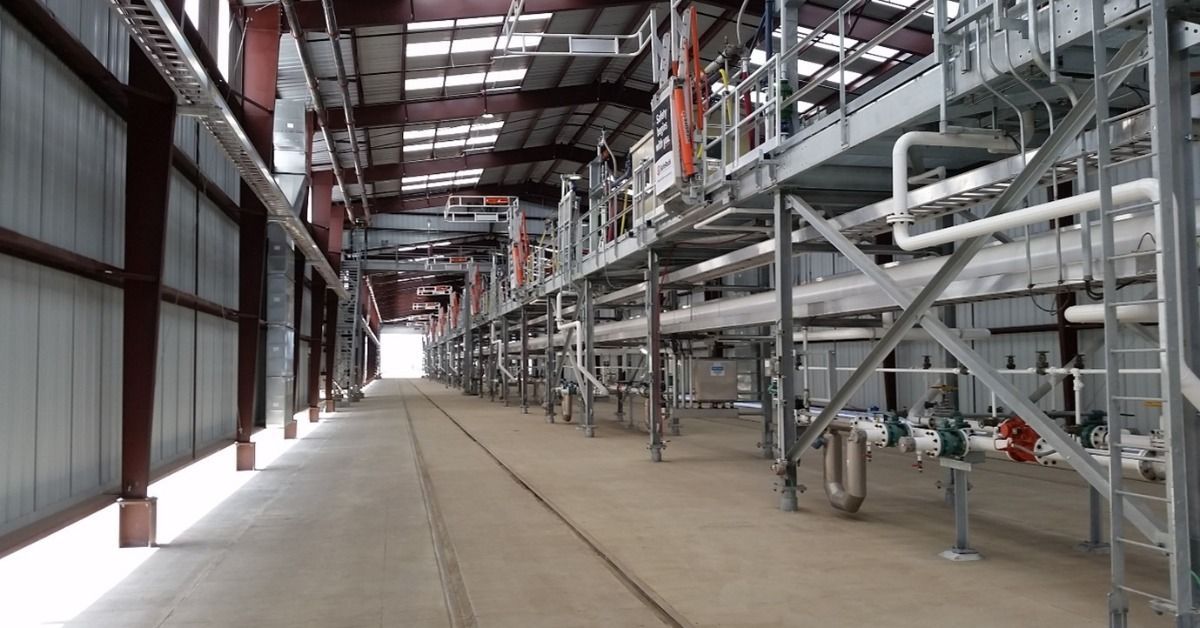
Dive into our extensive guide now to learn everything you need to know about the in-house ASME fabrication benefits for oil and gas terminals.
Get a comprehensive look at what owners need to know about industrial construction planning so you can start successfully coordinating a project today.