
Streamlining Construction Through EPC Agreements
Large industrial projects have plenty of moving parts before crews ever arrive at the site. Scope, design, procurement, schedules, costs, materials, labor, and field execution all need to support the same project objective. When those responsibilities sit across several separate contracts, even a minor disconnect can create delays or added expense.
That’s where an EPC agreement can bring structure to a complex project. Streamlining construction through an EPC agreement gives you a more unified route from early project development through final construction. Use this guide to learn how an EPC approach can support your next infrastructure project.
What an EPC Agreement Brings Under One Contract
An EPC agreement places several major project responsibilities under a single contractual structure. Instead of an owner managing separate relationships for each major phase, one EPC contractor takes responsibility for the defined scope. That arrangement can cover project design, procurement, construction, and other obligations stated in the contract.
The appeal comes from coordination. Design decisions affect material orders, procurement dates affect field schedules, and site conditions can influence several parts of the project at once. A contract structure that connects those areas gives the project team a more direct way to address each dependency.
That doesn’t remove complexity from industrial construction. It creates a framework for that complexity. You will still need a clear scope, realistic expectations, and disciplined project controls, but the lines of responsibility become easier to follow.

One Point of Responsibility Reduces Contractual Gaps
Projects with several independent contractors can leave business owners in the middle of disagreements or disputes over responsibility. A design issue may affect fabrication, and a late material delivery may disrupt field work. One contractor’s schedule change may force another contractor to revise its plan. An EPC agreement can reduce those gaps because the EPC contractor holds responsibility for the scope defined under the agreement. Rather than sort through several contracts each time one project element affects another, the owner has one primary contractual relationship.
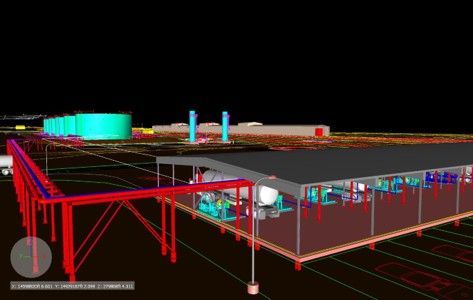
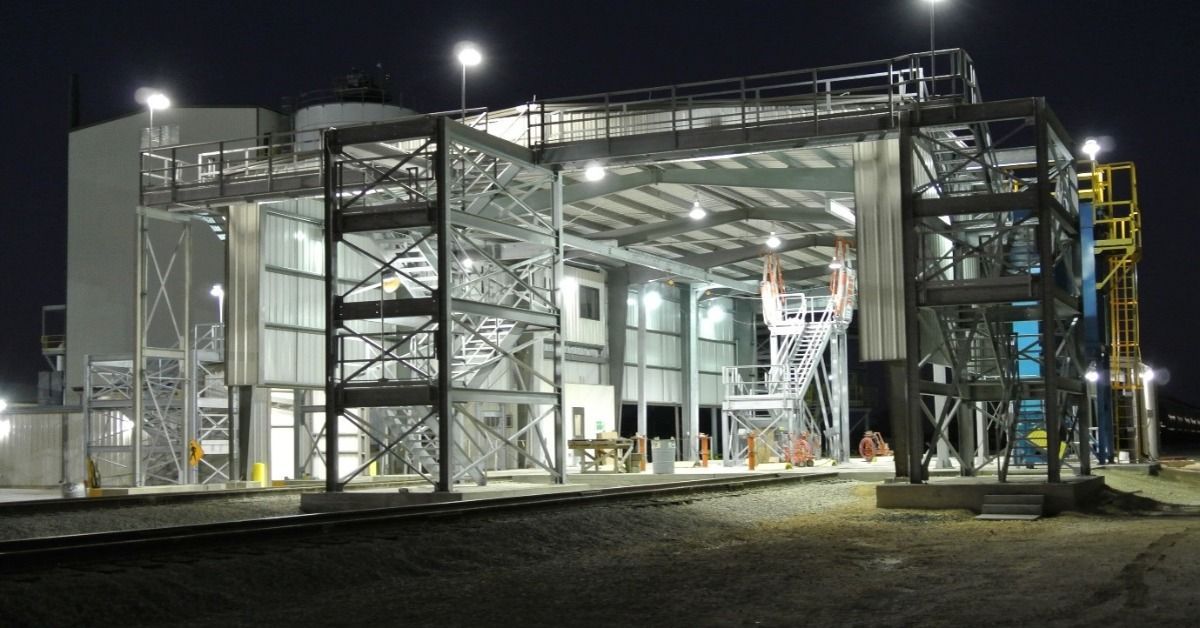
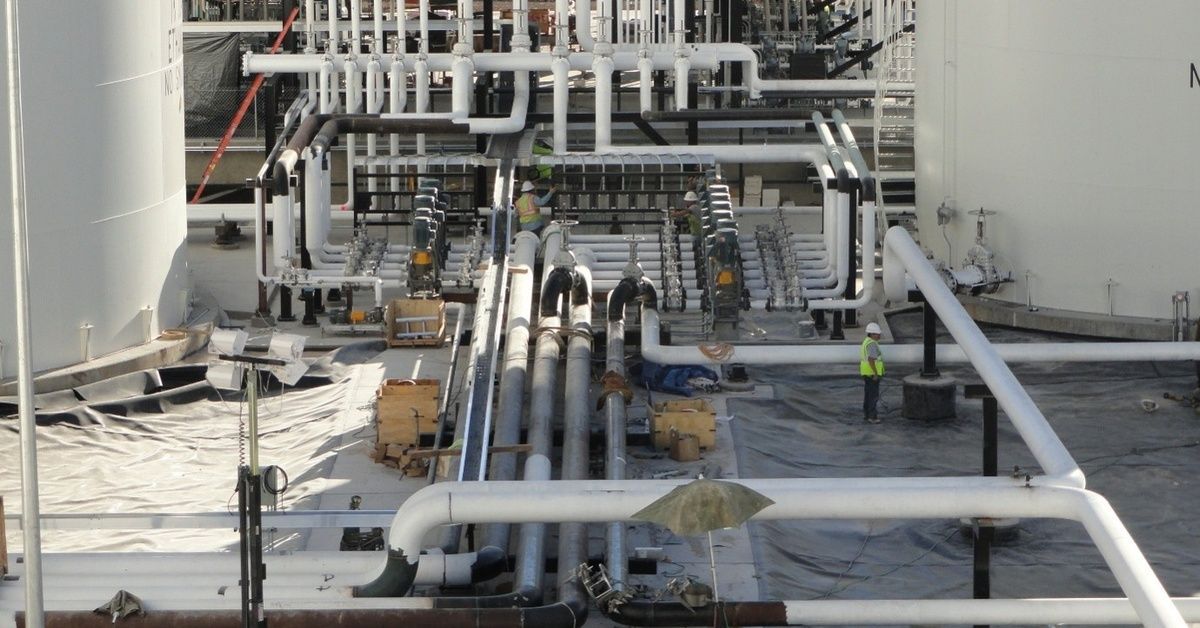
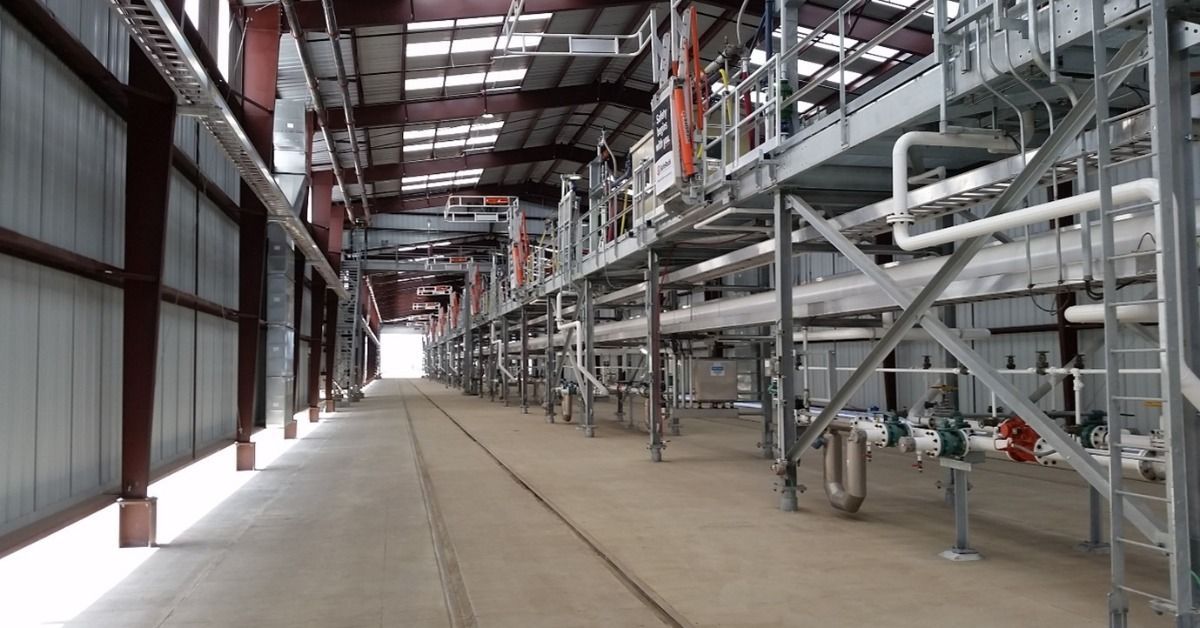
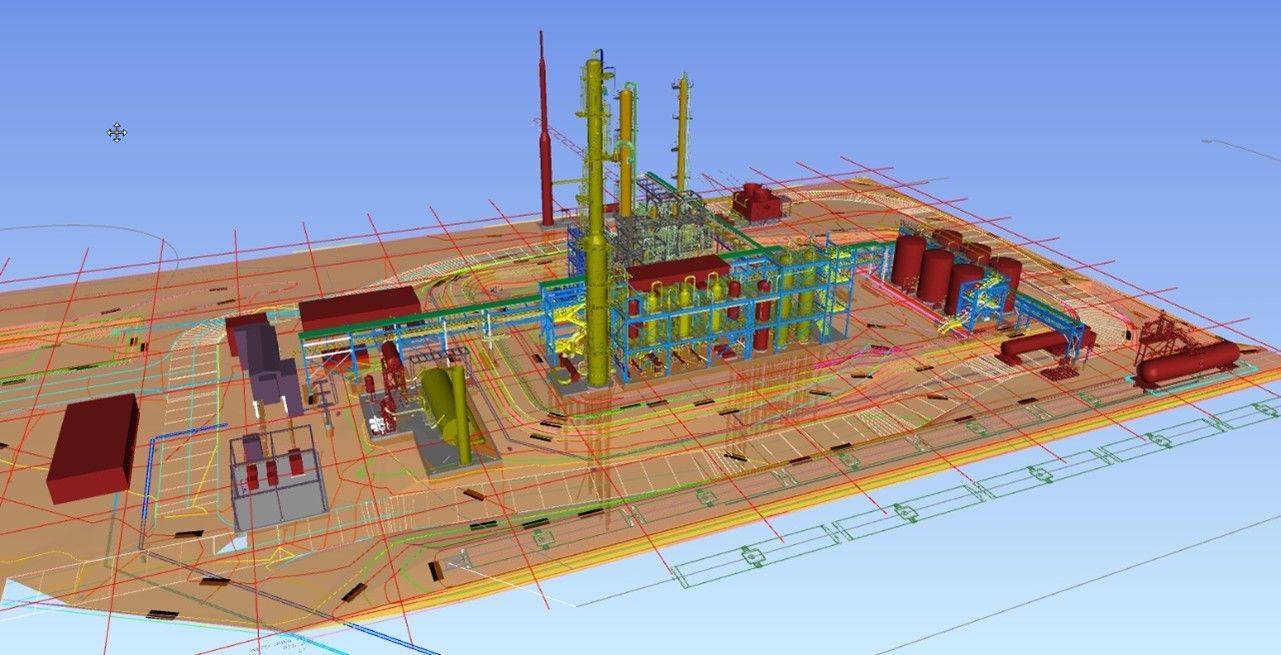
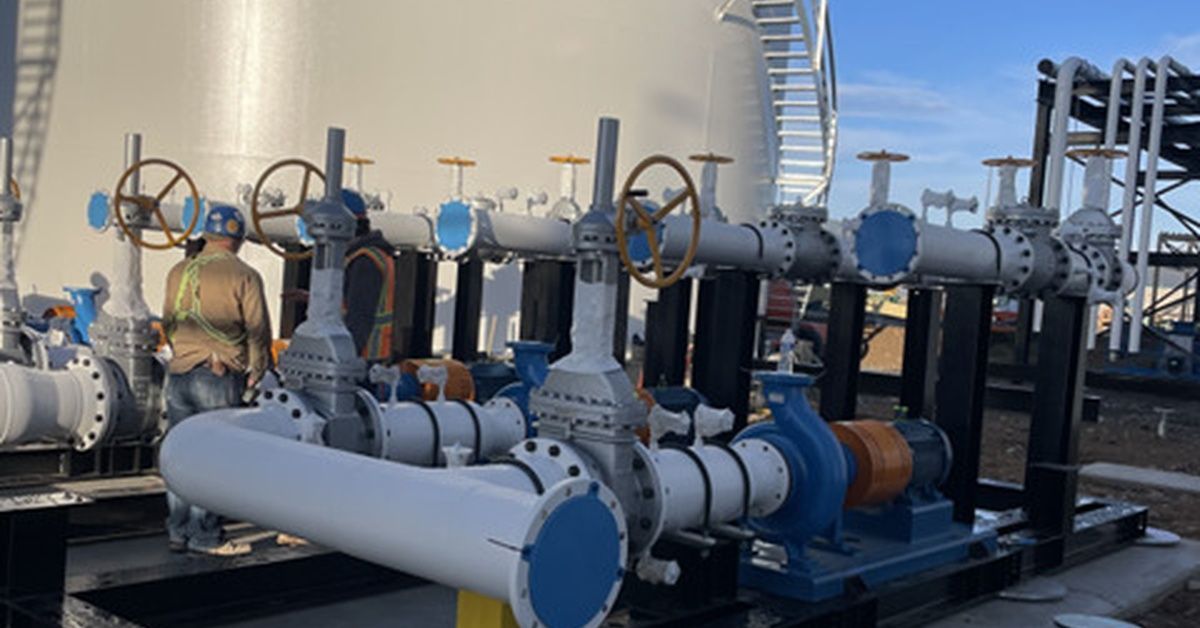
Consider a midstream infrastructure project with specialized equipment, structural components, piping, and site construction. Each element must fit the same design and schedule. A unified EPC structure allows decisions across those areas to stay connected instead of leaving the owner to coordinate separate parties.

Better Coordination Starts Before Field Work
Construction efficiency doesn’t begin on the first day at the jobsite. Much of it develops earlier, when the project team defines scope, reviews design requirements, evaluates site needs, and plans procurement. An EPC structure can connect those early decisions to the realities of field execution. The team responsible for the project can account for material lead times, access limitations, equipment requirements, and construction sequences before those factors cause trouble on site.
That connection also gives the team room to identify conflicts sooner. A component that’s difficult to procure, for example, may affect both design choices and the project schedule. Early coordination allows the team to address that issue before crews are depending on the component in the field.
Procurement Becomes Part of the Overall Project Plan
Procurement can have a major effect on an industrial construction schedule. Specialized equipment and fabricated components don’t always arrive on a convenient timeline. If purchasing operates apart from the broader project plan, material availability can become a source of schedule pressure.
Under an EPC agreement, procurement can align with design progress and construction needs. The project team can establish purchase priorities based on the sequence of field work rather than treat procurement as an isolated task. This approach also helps teams focus attention on items with long lead times. Early identification gives the contractor more time to plan around delivery dates and coordinate related work. As a result, the construction schedule can reflect actual material needs rather than assumptions that may prove unrealistic later.
EPC Agreements Support Greater Cost Clarity
Cost control depends on far more than the initial contract value. Scope changes, schedule delays, procurement problems, rework, and poor coordination can all put pressure on a project budget. A well-defined EPC agreement establishes contractual responsibility around an agreed scope.
That structure gives you a clearer view of where responsibility sits and how changes should move through the project. Scope definition still deserves close attention. An unclear agreement can create disputes regardless of the delivery method. Business owners and contractors need a shared view of project requirements, exclusions, schedule expectations, commercial terms, and change procedures before construction advances.
Field Execution Benefits From Early Alignment
A construction crew can only work with the information, materials, access, and equipment available at the site. Problems upstream can quickly become downtime in the field. EPC delivery can reduce those disconnects because construction needs have a place in the project plan from earlier phases. Material orders can reflect field priorities, design packages can support the construction sequence, and project schedules can account for dependencies between trades.
For example, crews shouldn’t arrive ready for installation only to discover that a required fabricated component isn’t available. Coordination across procurement, fabrication, and construction helps the project team plan work around actual readiness. That creates a superior sequence for field execution.
You Still Need a Well-Defined EPC Scope
Streamlining construction through EPC agreements is easy when you have a well-defined EPC scope. Remember that an EPC contract isn’t a substitute for a clear project definition. The agreement needs enough detail to establish what the contractor will deliver, the standards that apply, the expected schedule, and how the parties will address changes.
You also need to understand project interfaces outside the EPC contractor’s scope. Site access, permits, owner-furnished equipment, utility coordination, or other responsibilities may remain with the owner based on the agreement. Clear boundaries reduce ambiguity once the project moves ahead. A strong contract gives both parties a common reference point. When circumstances change, the team can return to the agreed scope and procedures instead of relying on assumptions or informal expectations.
Streamlining Creates a More Unified Path
Industrial construction will always involve technical demands, logistical challenges, and numerous dependencies. The goal of an EPC agreement isn’t to pretend those challenges disappear. Its value comes from placing related project responsibilities into a structure that supports coordination from early development through construction.
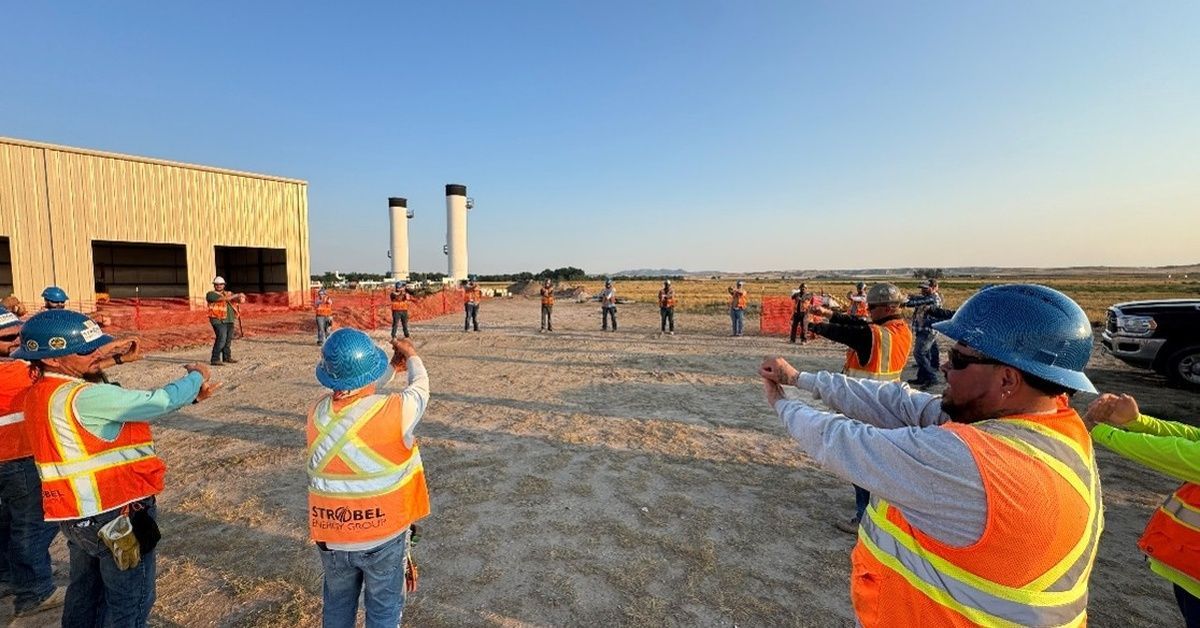
Strobel Energy Group serves companies that need infrastructure for midstream oil and fuel distribution projects, with services that span industrial project needs. If your next project could benefit from a more unified approach with EPC, contact Strobel Energy Group to discuss industrial construction services and your project goals.