The Importance of Quality Control in EPC Projects
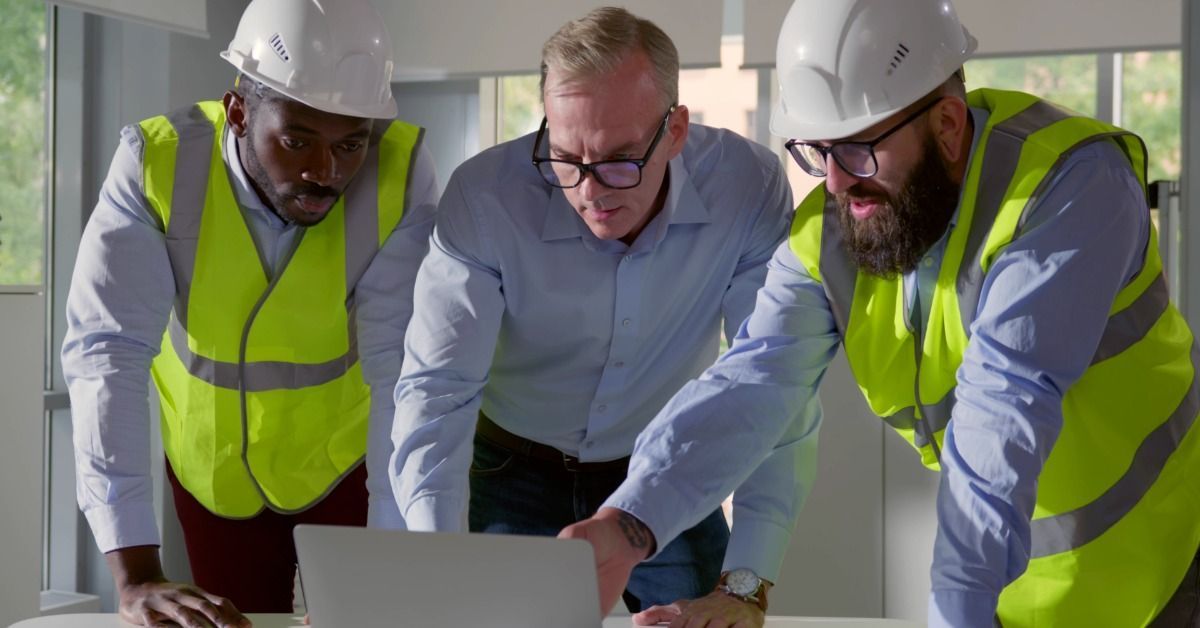
Large EPC (Engineering, Procurement, and Construction) projects involve countless moving parts. From early design decisions to procurement, fabrication, construction, and commissioning, every phase depends on accuracy and consistency. A single mistake can create delays, extra costs, safety concerns, and frustration across the entire project team. If you're planning or managing industrial infrastructure, a strong quality control program deserves attention from day one. You would be wise to contact an experienced EPC contractor early in the process to discuss quality expectations and project goals before work begins.
Quality control affects far more than inspections at the end of construction. It influences how materials are selected, how equipment arrives on-site, how fabrication crews complete their work, and how systems perform after startup. When teams follow established quality procedures throughout the project lifecycle, owners gain confidence that their investment will perform as intended. Use this guide to more closely examine the importance of quality control in EPC projects.
Quality Control Starts Long Before Construction
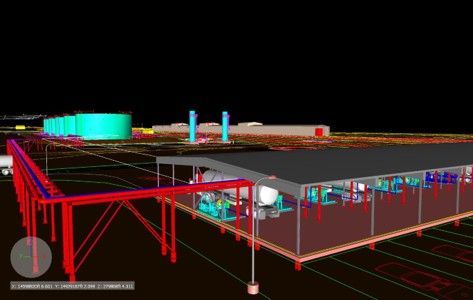
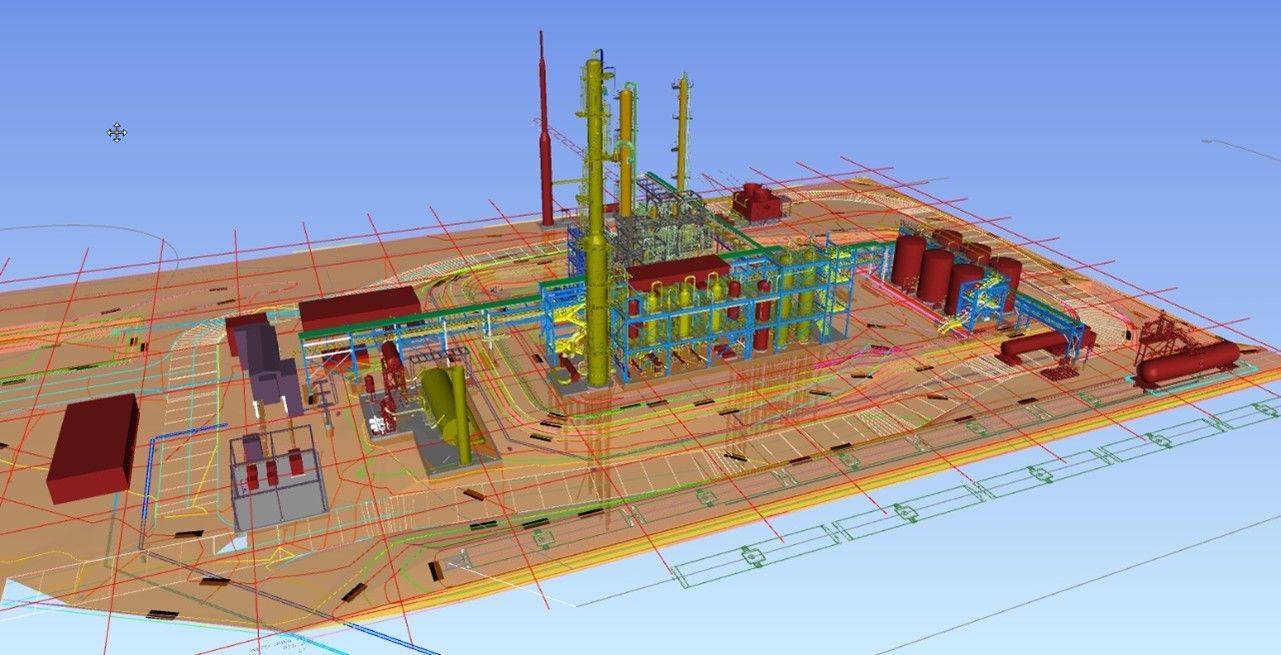
Many people associate quality control with field inspections. In reality, quality efforts begin early on during engineering and design. Accurate drawings, specifications, and calculations create the foundation for every phase that follows. If errors appear in design documents, those problems can travel through procurement, fabrication, and construction before anyone notices. At that point, corrections become far more expensive.
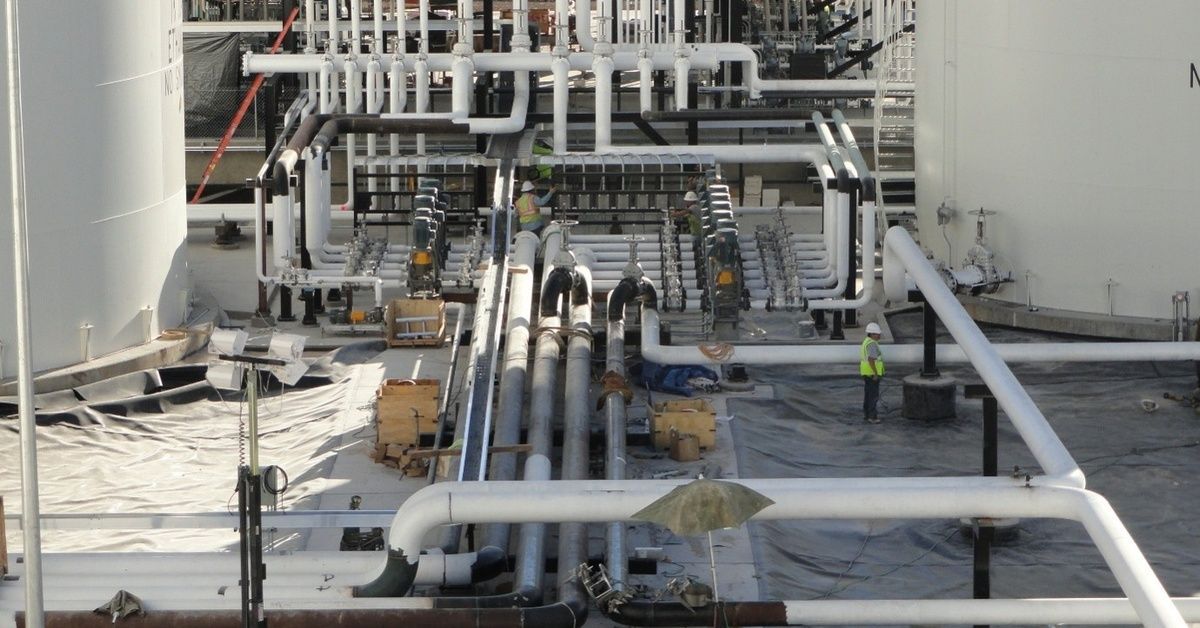
Consider a piping system designed with incorrect dimensions. Procurement may purchase the wrong materials, and fabrication crews will likely build components that don't fit. Construction teams then face delays as replacements arrive. A thorough quality review during engineering helps prevent that chain reaction. Strong EPC teams conduct design reviews at multiple stages. These reviews help identify deficiencies, improve constructability, and reduce costly revisions later in the project.
Procurement Quality Protects the Entire Schedule
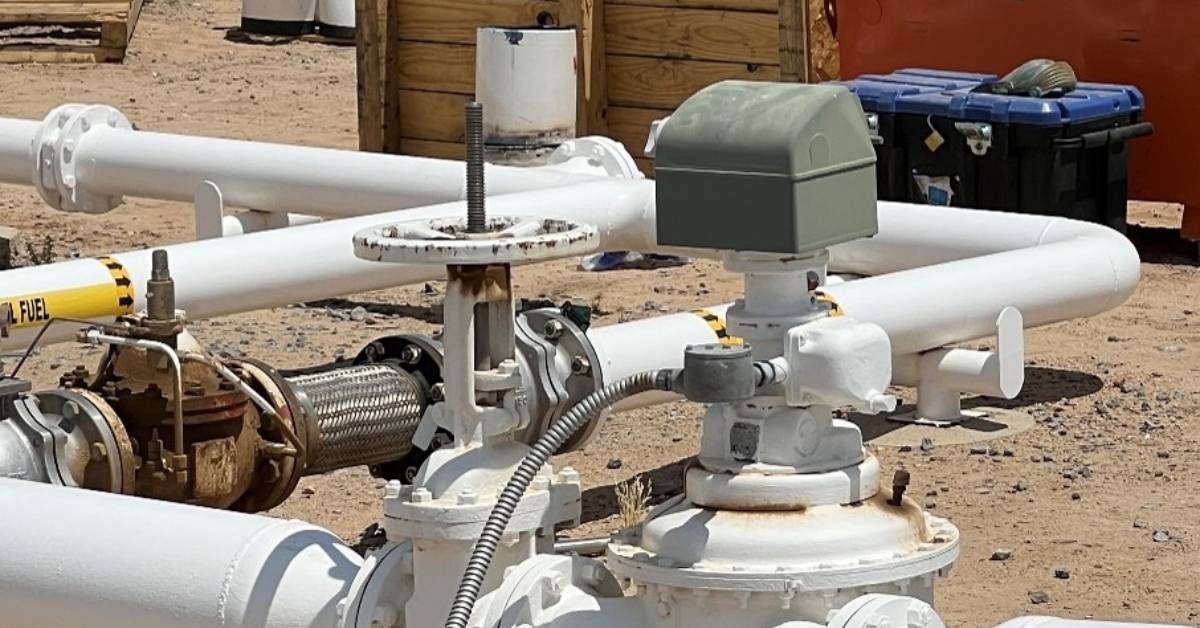
After engineering comes procurement, where quality assurance and control are just as valuable. Industrial projects depend on a long list of purchased components fine-tuned to fit that specific build. Valves, pumps, structural steel, electrical equipment, instrumentation, and specialty materials must meet project specifications. If suppliers provide products that fail to meet requirements, project timelines can suffer quickly.
Supplier evaluations help reduce that risk. Reputable EPC contractors review vendor qualifications and manufacturing capabilities before placing orders. Material verification also plays a major role. Teams confirm that delivered products match approved specifications before installation begins.
This extra attention helps avoid situations where incorrect equipment reaches the field and causes delays. Procurement quality creates stability across the project. Better materials lead to fewer surprises and smoother execution.
Fabrication Quality Reduces Rework
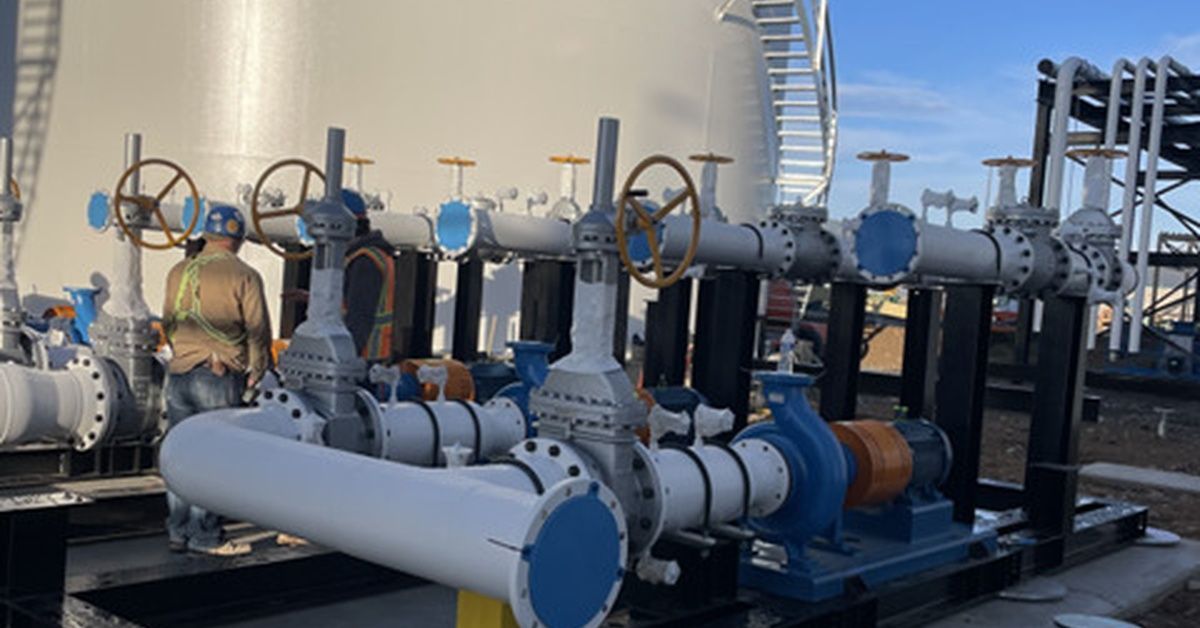
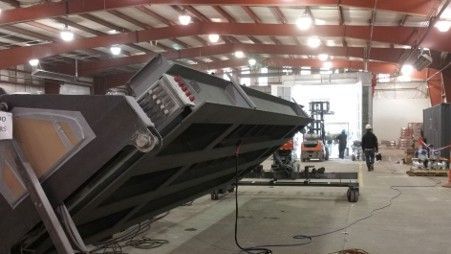
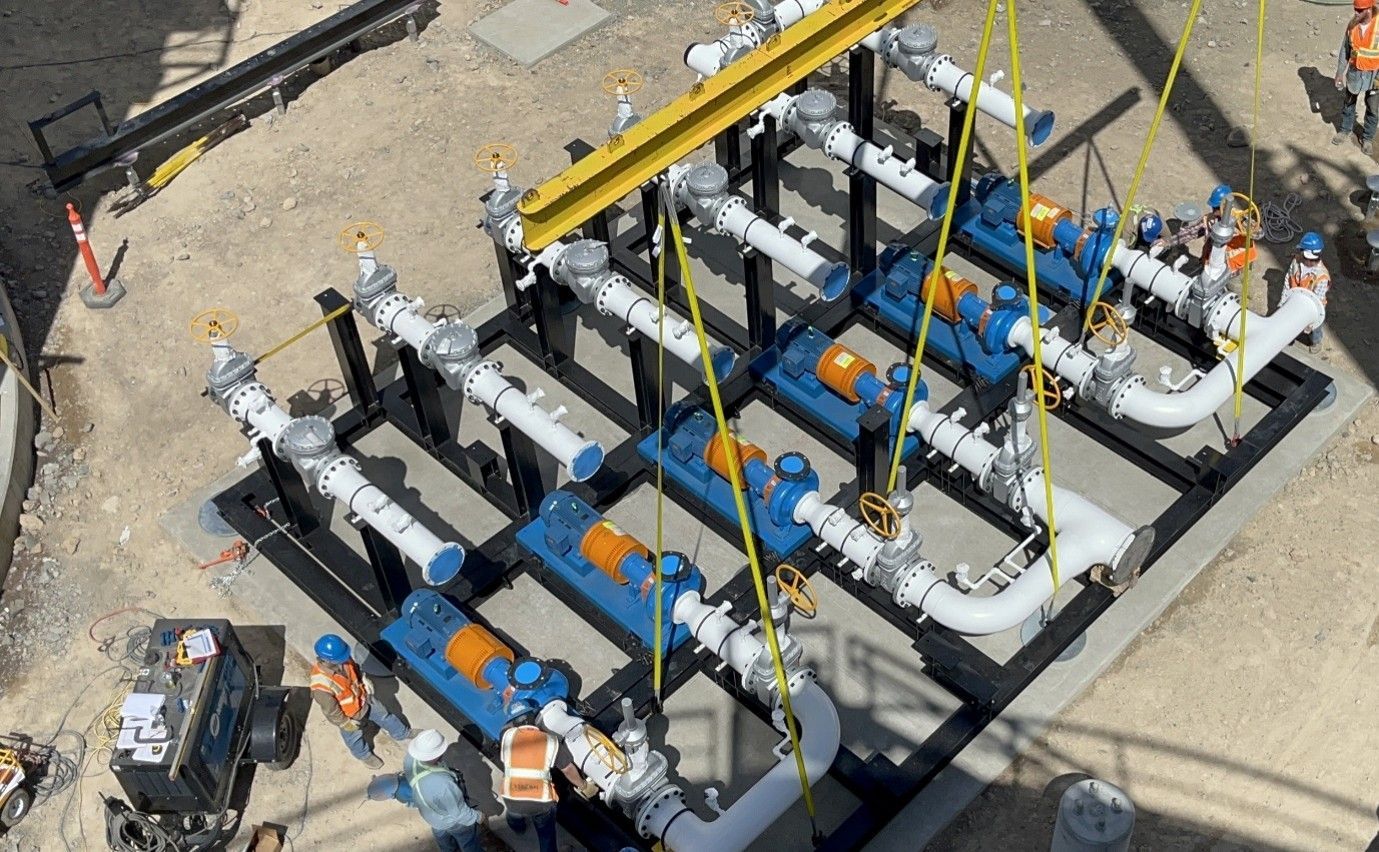
Fabrication represents another area where quality control delivers tremendous value. Industrial facilities rely on fabricated components such as piping systems, pressure vessels, skids, and structural assemblies. Each component must meet strict dimensional and performance requirements.
A fabrication shop with established quality procedures performs inspections throughout production rather than waiting until completion. Weld inspections, dimensional checks, material traceability reviews, and documentation verification all contribute to a stronger final product.
Imagine a large skid assembly that arrives at a job site with dimensional errors. Construction crews may discover that connected systems no longer align correctly. Additional labor, schedule adjustments, and replacement parts can quickly increase project costs. Quality checks during fabrication help identify issues before products leave the shop. As a result, installation crews spend less time correcting problems and more time advancing the project.
Construction Quality Supports Safety and Reliability
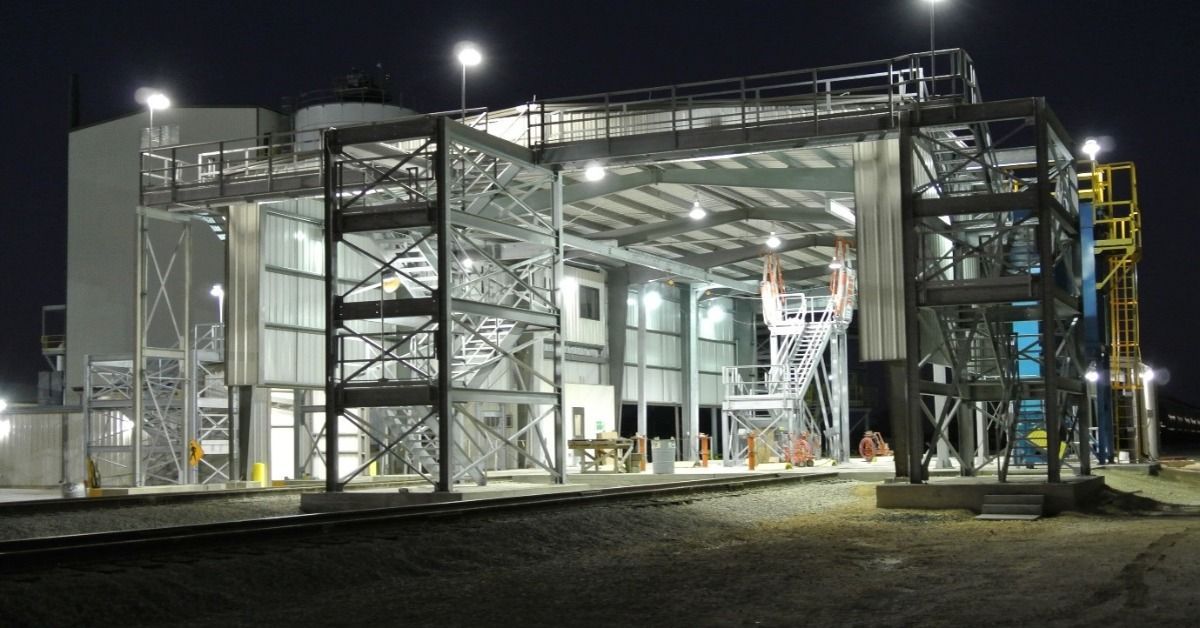
Once construction begins, quality control becomes highly visible. Field inspections verify that work aligns with project specifications and approved drawings. Construction supervisors, quality personnel, and inspectors collaborate throughout the project to maintain consistency. Quality reviews cover numerous activities, including:
- Structural steel installation
- Pipe fitting and welding
- Electrical system installation
- Equipment placement
- Instrumentation connections
- Mechanical assembly
These inspections help confirm that systems perform correctly after startup. Construction quality also supports workplace safety. Improper installation can create hazards that affect workers during construction, and operators after project completion. Quality procedures help identify deficiencies early on to find effective solutions. Projects with strong quality programs typically experience fewer corrections near completion, resulting in a smoother path toward commissioning.
Documentation Matters More Than Many Realize
The importance of quality control in EPC projects also extends to the right documentation. Simply put, documentation serves as a critical component of every EPC project. Inspection reports, material certifications, test records, weld documentation, and equipment verification records provide evidence that project requirements were met.
These records help owners understand exactly what was installed and how quality standards were successfully achieved. Documentation also supports future maintenance efforts. Years after construction ends, facility personnel may need access to equipment records or testing information. Complete documentation provides valuable reference material throughout the asset's life cycle. Without organized records, troubleshooting and maintenance become much more difficult.
The Cost of Poor Quality
Quality control requires time, planning, and resources. Some project teams view these efforts as an additional expense. The reality looks very different.
Poor quality can create far greater costs than preventive quality measures. Rework, schedule delays, equipment replacement, labor inefficiencies, and startup issues can affect project budgets quickly. For example, a failed weld that you discover after installation may require equipment shutdowns, additional labor, retesting, and schedule revisions. The cost of correcting the problem far exceeds the cost of identifying it earlier.
Owners also face indirect costs. Delayed facility startups can postpone revenue generation and impact broader business objectives. Quality control helps reduce these risks before they gain momentum.
Prioritizing QC Today
Owners invest substantial resources into industrial facilities, terminals, pipelines, processing plants, and other infrastructure projects. Those investments deserve a disciplined approach to quality from the first design review through final commissioning. Work with industrial construction contractors who have QC specialists in-house you can rely on for assistance.
A comprehensive quality control program helps reduce rework, improve reliability, support safety, protect schedules, and strengthen long-term asset performance. Every phase of an EPC project benefits from greater attention to detail and consistent verification procedures.
The most successful projects don't treat quality as an afterthought. They build quality into every stage of execution. If you're preparing for an upcoming infrastructure project, speak with an experienced EPC team early, meet their Director of QA/QC, and establish quality expectations before the first design document reaches the table.