Practical Strategies for Industrial Construction
Industrial construction carries a different weight than commercial or residential work. These projects support supply chains, energy movement, and critical operations that don’t have room for guesswork. Every decision connects to safety, durability, and long-term performance.
A thoughtful approach shapes outcomes long after crews leave the site. Industrial construction projects succeed or fail long before work begins on site. Planning, coordination, and execution all influence how safely a facility is built and how well it performs once operational.
Clear processes and disciplined decision-making help teams manage complexity without unnecessary delays or cost overruns. Follow our comprehensive guide to find practical strategies for industrial construction projects right now.
Start With Purpose-Driven Planning
Strong industrial projects begin with clarity around purpose. That means defining how the facility will function, how it may scale, and how it fits within a broader operation. When teams align early on end goals, designs feel intentional rather than reactive.
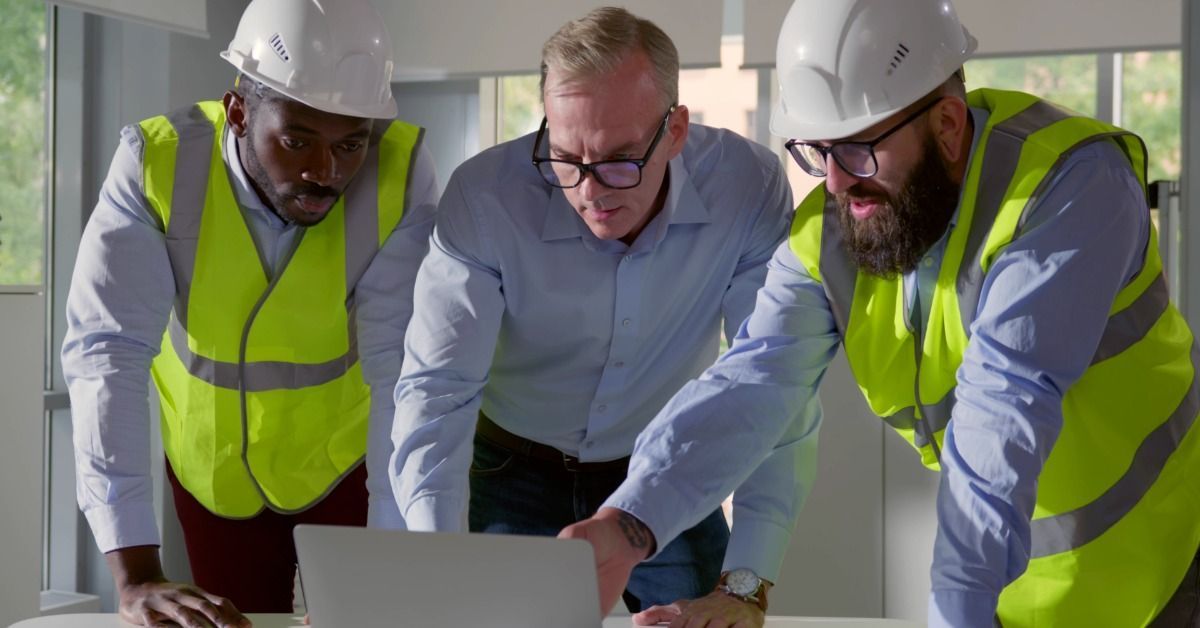
Planning works best when engineers, constructors, and operators collaborate from the start. Each group brings a different lens, and those perspectives prevent gaps later. For example, layout choices that look efficient on paper may create maintenance headaches if operational insight stays out of early discussions.
Build Safety into Every Phase
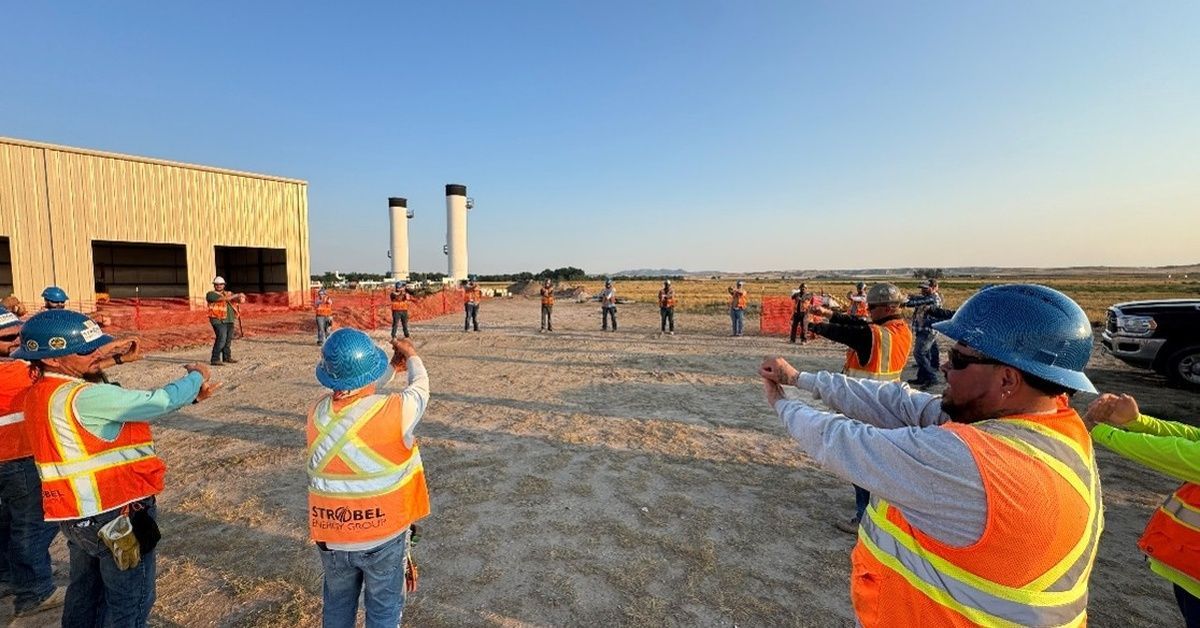
Safety thrives when it becomes part of daily behavior rather than a checklist item. Industrial sites present heavy equipment, tight timelines, and complex coordination, which calls for a proactive mindset. Crews who understand risks before stepping onto the site work with greater confidence.
Clear communication supports that mindset. Daily briefings, visible signage, and consistent expectations keep everyone fully aligned. When leadership treats safety as part of productivity rather than a barrier, teams follow suit naturally.
Choose Materials with Longevity in Mind
Industrial environments test materials in ways few other settings do. Exposure to heat, pressure, vibration, and corrosive substances demands thoughtful selection upfront. Choosing materials that match the operating environment reduces downtime and repair costs later. For instance, a facility handling hydrocarbons benefits from components designed for chemical resistance and thermal stress. Those decisions may raise upfront costs slightly, yet they protect performance across decades of operation.

Lean Into Modular Construction
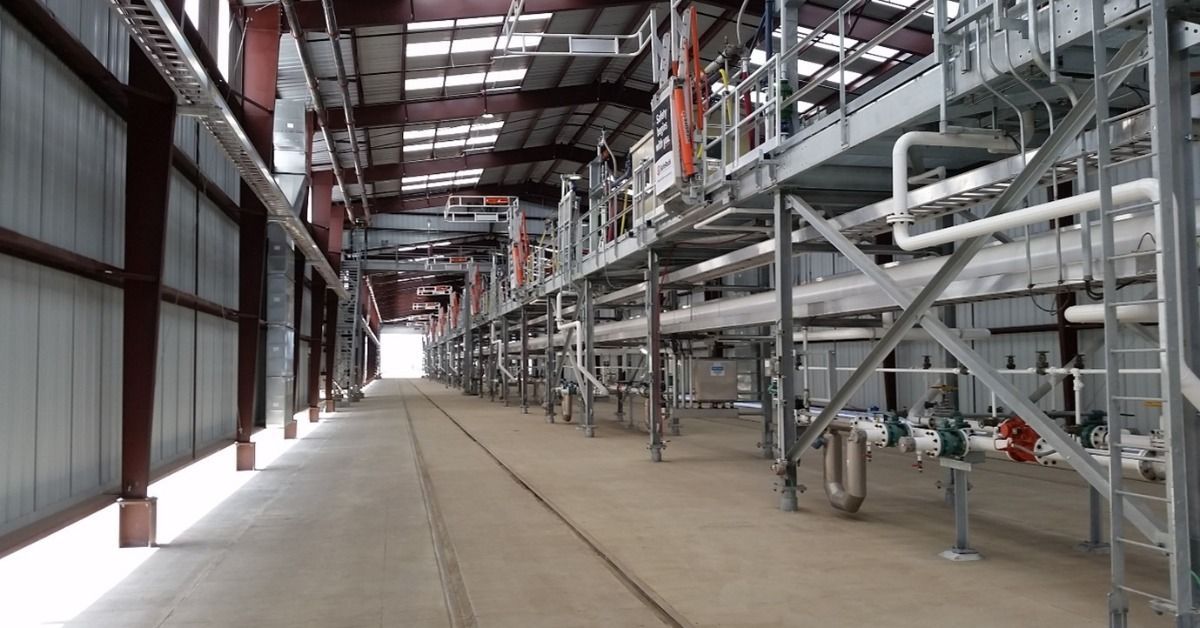
Modular approaches continue to gain traction across industrial construction. Fabricated components assembled off-site allow for tighter quality control and shorter field schedules. That shift reduces site congestion and limits exposure to weather delays.
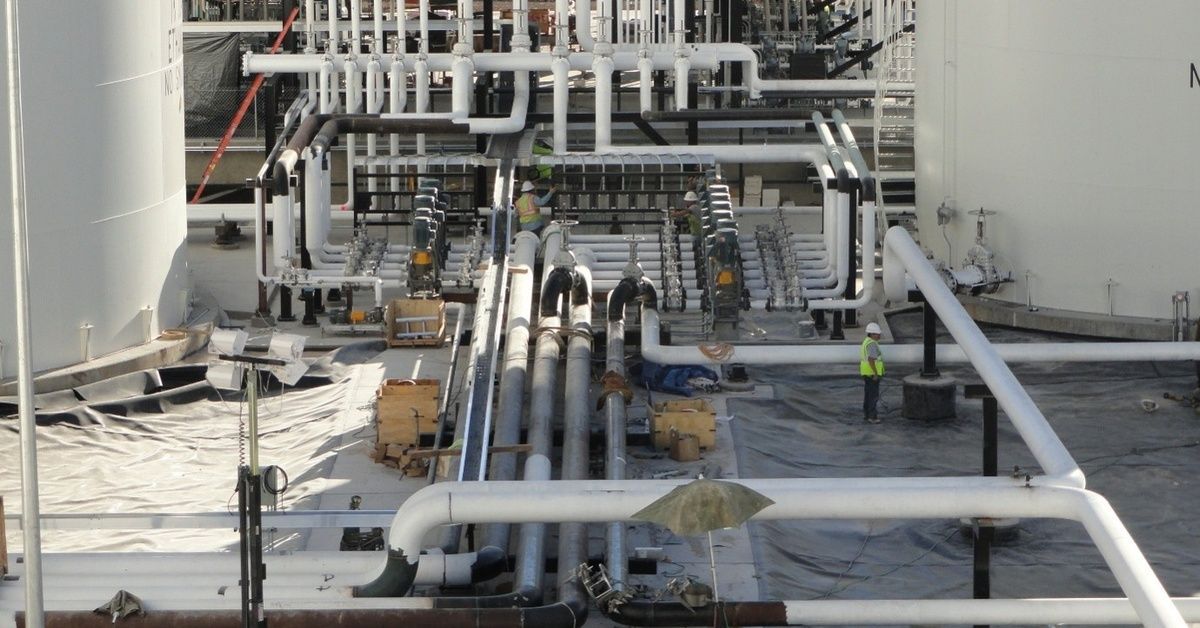
Skid-mounted systems offer a great example. Units built and tested in controlled environments arrive ready for integration, which speeds commissioning. This strategy supports consistency across projects and simplifies future expansions.
Keep Communication Flowing
Projects lose momentum when communication stalls. Industrial construction involves multiple stakeholders, trades, and timelines that must stay fully aligned. Open channels reduce confusion and keep small issues from snowballing into major disruptions.
Regular updates, shared documentation, and clear points of contact help teams stay synchronized. When changes arise, quick transparency allows everyone to adapt without scrambling. Consistent communication builds trust across the project lifecycle.
Respect the Realities of the Site
Every job site brings unique challenges. Soil conditions, access constraints, and nearby operations all influence construction strategy. Successful teams study these factors early.
Some remote sites require staged deliveries and on-site storage planning. Urban locations may demand noise control and tight scheduling windows. Respecting site realities avoids surprises and keeps work moving smoothly.
Integrate Sustainability Thoughtfully
Sustainability fits naturally into industrial construction when approached with intention. Energy efficiency, emissions reduction, and resource optimization align with long-term operational goals. These considerations support regulatory compliance and community relationships alike.
Design choices like efficient power systems or adaptable layouts allow facilities to evolve with new technologies. That flexibility supports future initiatives such as carbon capture or alternative fuels without major rework.
Prioritize Constructability
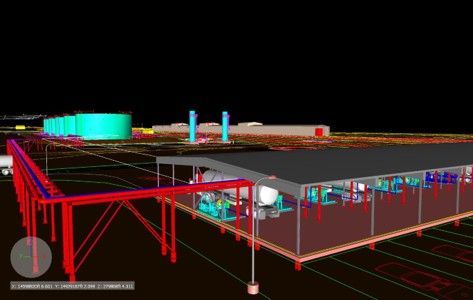
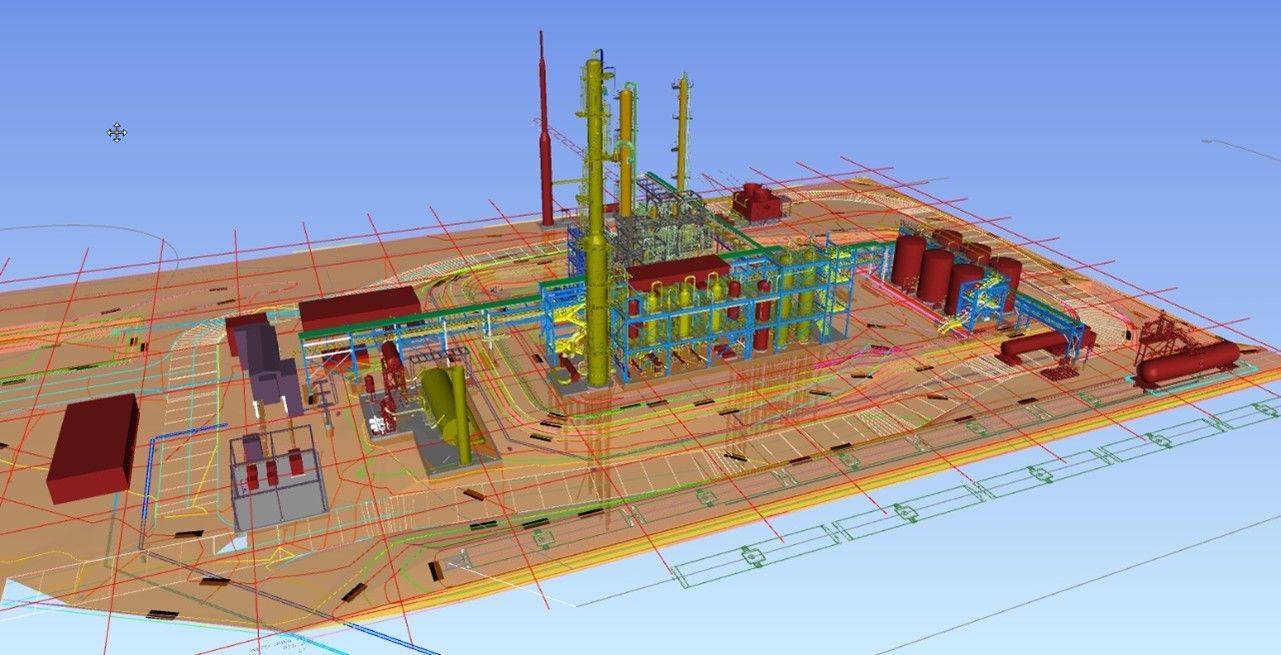
Constructability focuses on how designs translate into real-world execution. A plan that looks great digitally may create challenges during installation if constructability stays overlooked. Early collaboration between designers and builders bridges that gap.
Simple adjustments, like standardized components or accessible layouts, streamline field work. Crews spend less time troubleshooting and more time progressing. That efficiency supports schedules and morale across the site; and we know time is money.
Manage Risk Proactively
Industrial construction carries inherent risk tied to scale and complexity. Identifying potential issues early allows teams to address them with calm precision. Risk workshops and scenario reviews bring clarity before work begins.
Supply chain delays, permitting hurdles, or weather disruptions all benefit from contingency planning. When teams prepare responses ahead of time, they maintain control even when conditions shift unexpectedly.
Invest in Experienced Partners
The right partners elevate an industrial project from functional to exceptional. Experience brings pattern recognition, which helps teams anticipate challenges others may miss. That insight proves valuable across engineering, fabrication, and construction phases. Working with companies that understand midstream operations or energy infrastructure adds confidence. These partners bring lessons learned from similar builds, which strengthens decision-making and execution throughout the project.
Maintain Quality Through Consistency
Practical strategies for industrial construction provide a framework for projects that balance performance, safety, and adaptability. Quality thrives through consistent standards and repeatable processes. Clear specifications, documented procedures, and routine inspections keep work aligned with expectations.
Consistency reduces rework and protects long-term performance. For example, standardized fabrication practices across multiple skids create uniformity that simplifies installation and maintenance. That approach supports scalability and reliability across facilities.

Plan for Operations from Day One
Construction decisions shape daily operations for years to come. Thinking like an operator during design and build phases creates facilities that run smoother. Access points, maintenance clearances, and control layouts all influence efficiency. When operational teams provide input early, facilities reflect real-world workflows. That collaboration shortens commissioning timelines and supports safer, more intuitive use once systems go live.
Close Strong with Commissioning Discipline
Commissioning ties every strategy together. Thorough testing, documentation, and training confirm that systems perform as intended. This phase protects the investment made throughout construction.
Structured commissioning plans allow teams to verify performance under real conditions. Addressing issues at this stage prevents disruptions during live operation and sets the facility up for long-term success.
Moving Forward with Confidence
When teams focus on planning, communication, and experienced collaboration, industrial builds move from complex to controlled. If you’re preparing for your next infrastructure project, connect with a reliable industrial construction service that understands the stakes and can help translate strategy into results that last.