
How EPC Teams Control Risk on Aggressive Schedules
Large industrial projects rarely arrive with relaxed timelines. Energy infrastructure, processing facilities, and distribution systems usually move forward under tight deadlines. Owners want operational assets sooner, which places pressure on engineering and construction teams from the start.
That pressure doesn’t need to lead to chaos. Experienced EPC groups rely on structured processes that guide work across engineering, procurement, and construction. How EPC teams control risk on aggressive schedules becomes less about rushing and more about discipline, coordination, and clear communication. Take a deeper look at these methods to prepare for smoother construction and stronger outcomes.
Early Project Definition Sets the Pace
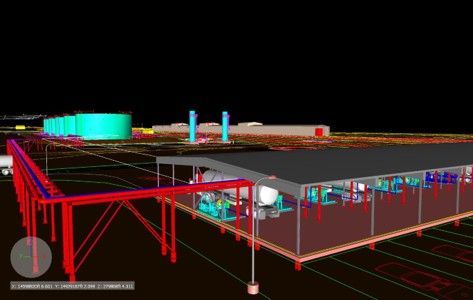
Every successful EPC project begins long before construction crews reach the site. Detailed project definition provides the foundation for the entire schedule. Teams review scope, equipment needs, site conditions, and logistics before design work moves forward.
That early alignment allows engineering groups to prioritize elements that affect construction first. Structural foundations, underground utilities, and heavy equipment supports usually receive attention early. With those details fully clarified, procurement teams gain better visibility into materials and fabrication needs.
Consider a pipeline compressor station as an example. The facility requires large compressors, structural steel, piping networks, and electrical systems. Early design coordination allows procurement teams to identify components with long fabrication timelines.
Once suppliers receive those orders, field crews gain a clearer construction path later in the project. Front-end planning creates a roadmap that guides the entire team. That roadmap reduces confusion once project work accelerates.
Integrated Engineering and Construction
Traditional construction methods treat design and construction as separate phases. EPC projects operate differently. Engineering and construction teams work together throughout the entire project lifecycle.
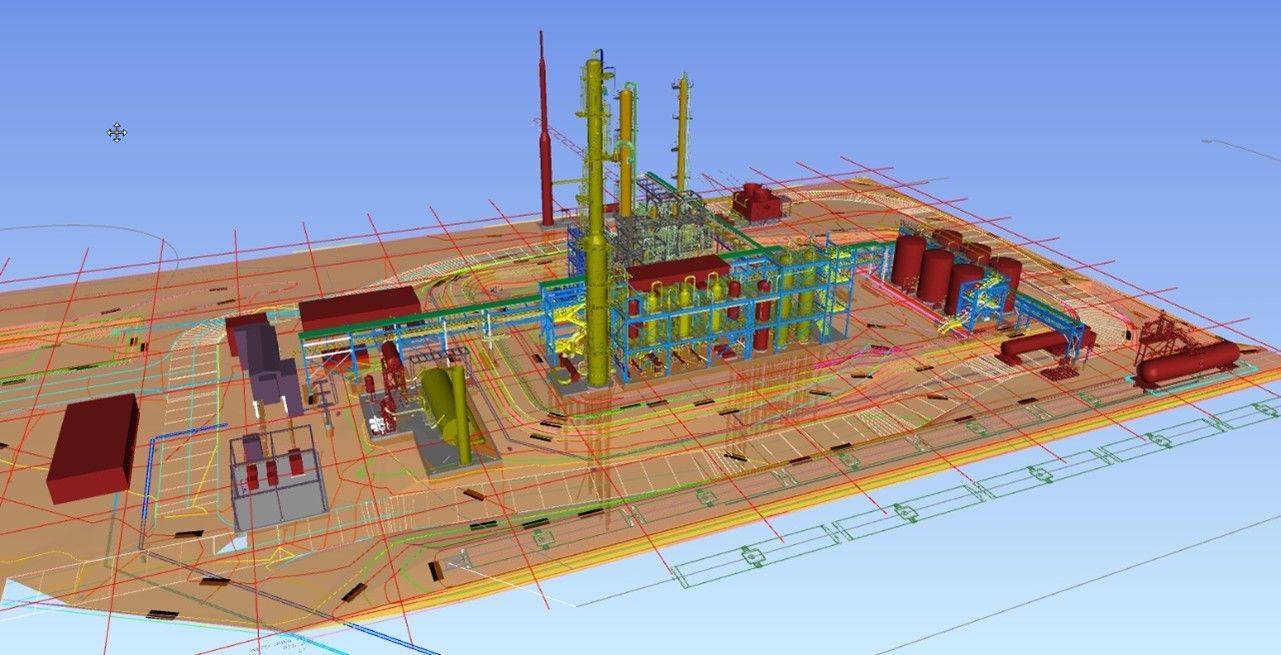
Design teams collaborate with field supervisors to verify constructability during early stages. Construction experience helps with identifying layouts that support faster installation in the field. Pipe routing, structural connections, and equipment placement all benefit from that practical insight.
For instance, engineers may adjust equipment spacing after consultation with construction supervisors. That adjustment gives crews additional access for lifting equipment or welding pipe connections. Small refinements during design stages remove obstacles later during construction. This type of collaboration supports aggressive timelines. Engineering decisions reflect real field conditions, which allows construction teams to move forward with greater confidence.

Procurement Strategy Shapes the Schedule
Materials and equipment frequently influence the overall project timeline. EPC teams devote serious attention to procurement strategy for that reason. Long-lead equipment receives early priority once engineering specifications reach completion. Compressors, control systems, fabricated vessels, and structural assemblies may require extended fabrication timelines.
Early procurement activity reduces the risk of equipment shortages later. Supplier relationships also play a role. Established EPC contractors maintain networks of trusted vendors who understand project expectations. That familiarity promotes better coordination between fabrication shops and construction schedules. Of course, if your EPC firm has its’ own fabrication facility there is a great advantage in both maintaining schedule and maximizing efficiency.
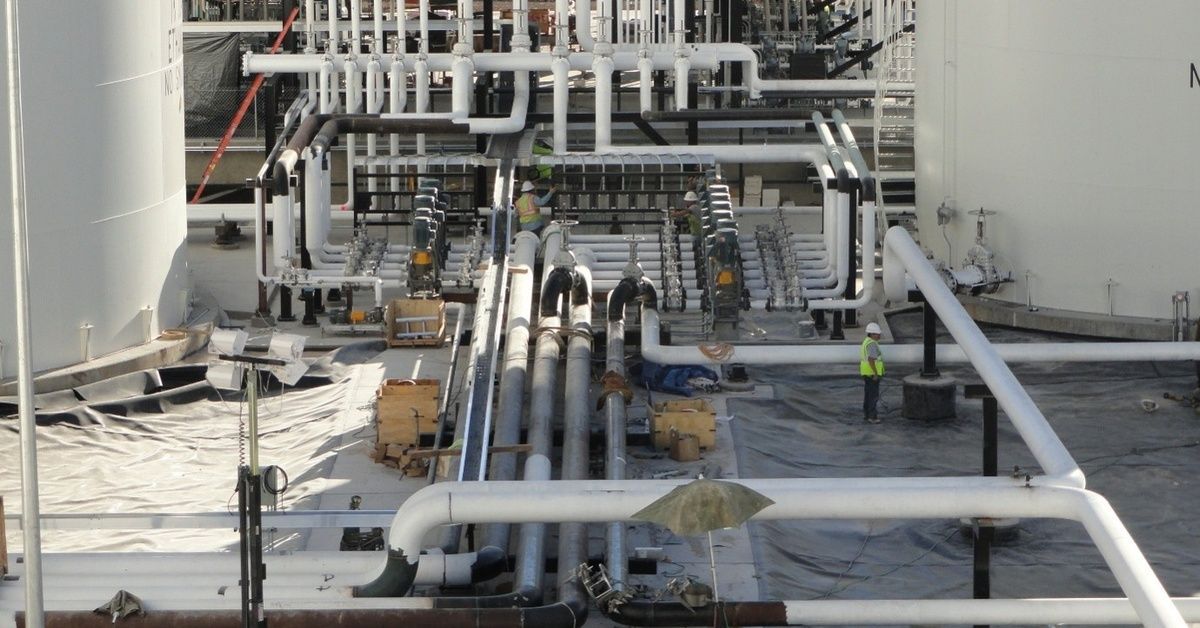
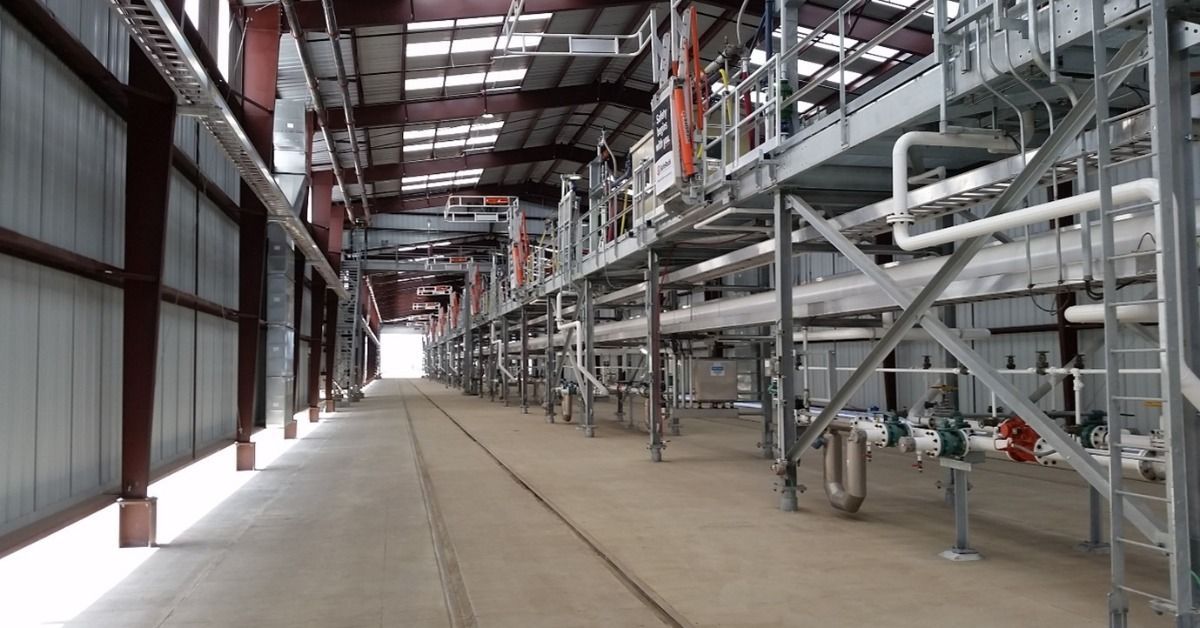
A practical example involves fabricated pipe racks. Fabrication can prepare structural assemblies well before construction begins. Once those racks arrive at the project site, installation crews place them quickly instead of constructing every component in the field. That strategy shortens field labor timelines and helps crews maintain steady progress.
Tight Communication Across Project Teams
Strict schedules leave little room for confusion. EPC teams rely on structured communication channels to keep everyone aligned. Project dashboards, coordination meetings, and schedule updates provide shared visibility across the entire team. Engineers, procurement specialists, construction supervisors, and project managers all review the same project data.
This level of transparency allows teams to react quickly when conditions shift. A delayed material shipment may prompt crews to shift attention toward another construction area. Field supervisors adjust work sequences that maintain productivity on site.
Communication also strengthens trust between disciplines. Engineering teams understand field conditions more clearly, and construction crews gain insight into design constraints. That shared perspective supports faster decision-making. A steady flow of information keeps projects moving forward even during demanding schedules.
Fabrication and Modular Construction Support Speed
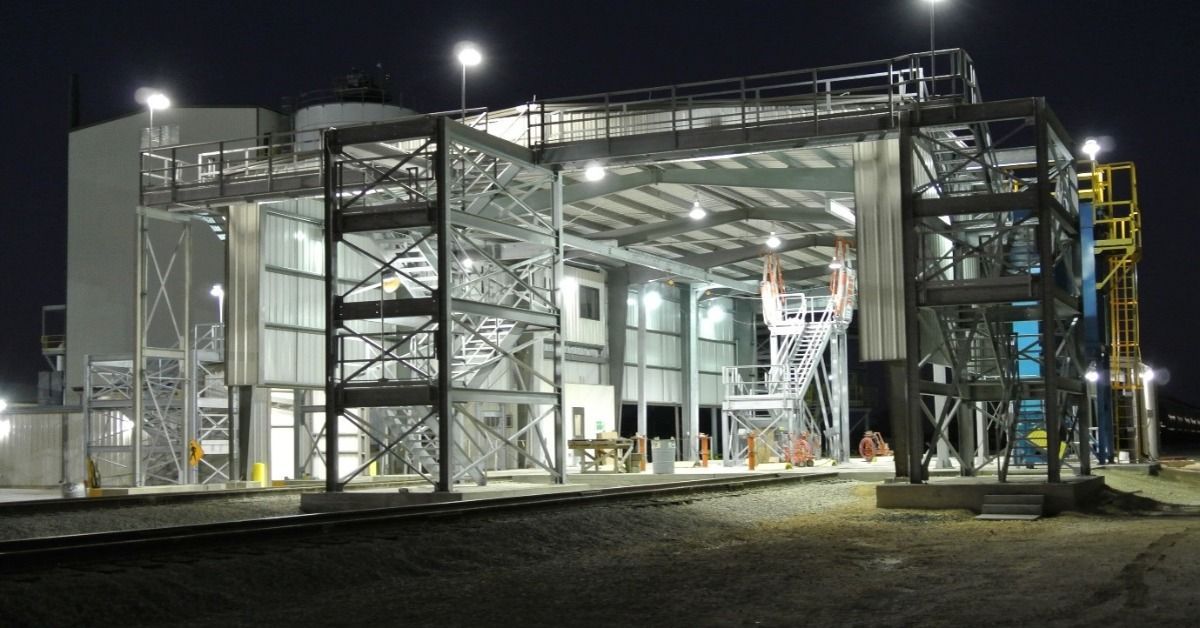
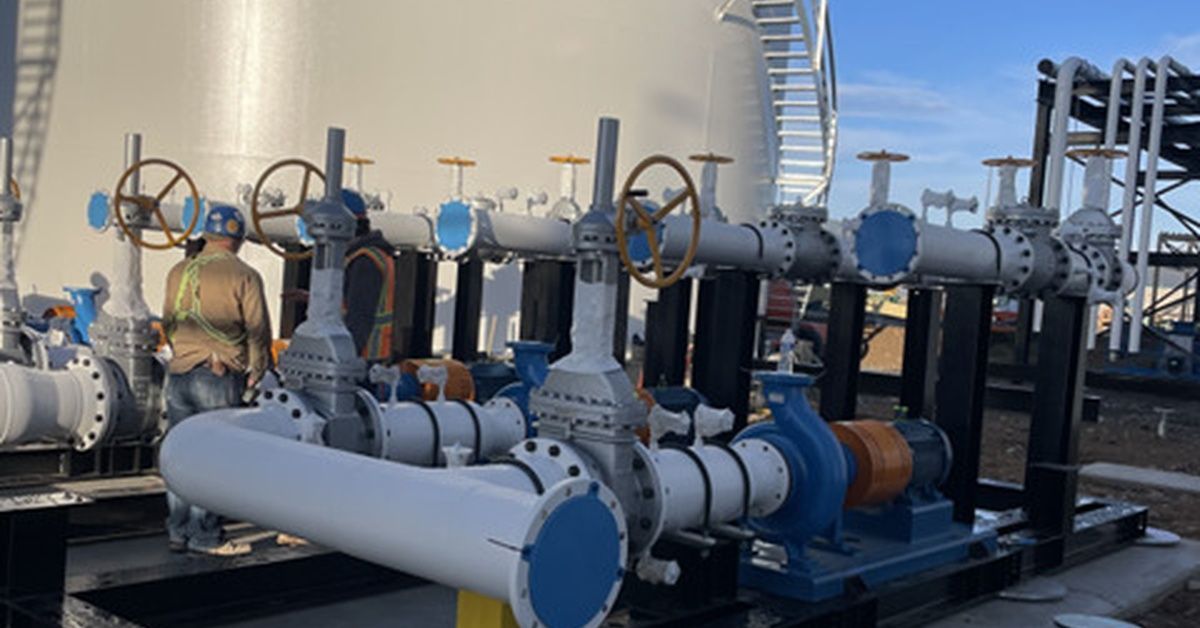
Industrial construction benefits from fabrication strategies that move work away from the jobsite. Fabrication shops can assemble components under controlled conditions before delivery to the project location. Modular construction expands that concept further. Entire equipment skids or structural modules may arrive preassembled. Field crews then position and connect those modules rather than constructing everything piece by piece.
Consider a pump station project. Fabrication teams may assemble piping systems, control panels, and support frames into transportable modules. Construction crews install those modules in a fraction of the time required for traditional field assembly.
This approach reduces field labor complexity and limits weather-related disruptions. Fabrication facilities operate under controlled environments that allow steady progress. For aggressive schedules, fabrication and modular strategies offer real advantages.

Experienced Field Leadership Guides Daily Progress
Construction sites involve real-world variables that affect schedules. Weather conditions, site access challenges, and unexpected ground conditions all appear during industrial projects.
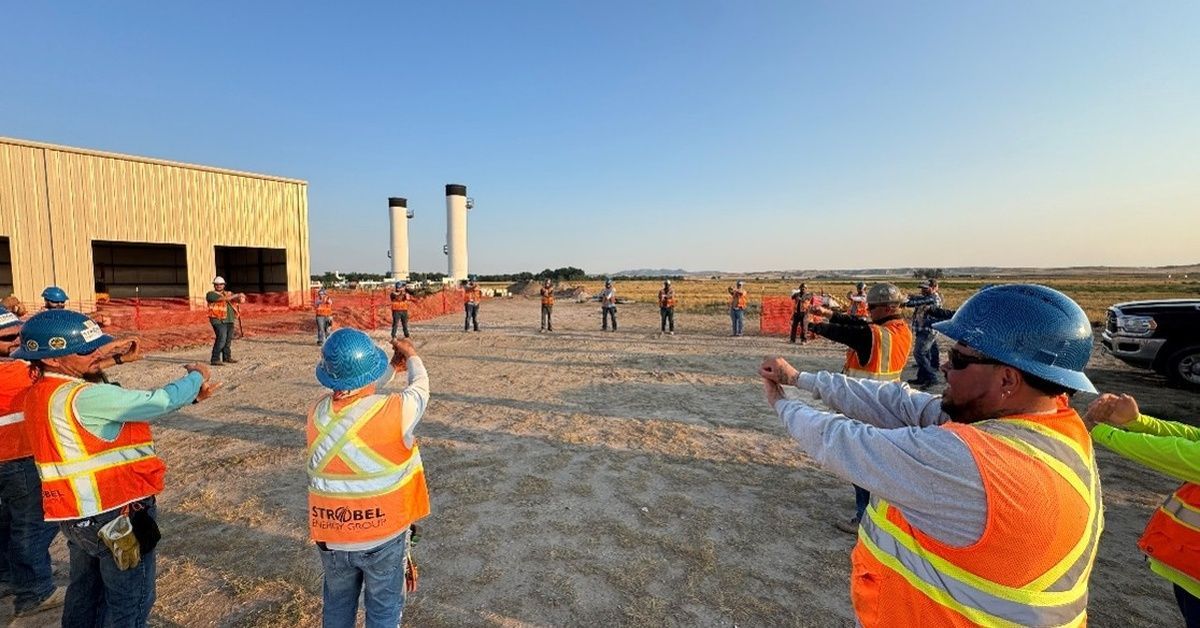
Experienced construction supervisors manage these conditions through daily coordination and schedule adjustments. Crews shift focus toward tasks that remain accessible when other activities face delays. Field leadership plays a central role in maintaining project momentum. Skilled supervisors track daily progress, coordinate subcontractors, and resolve obstacles quickly. Their experience allows teams to maintain productivity even under demanding timelines.
Technology Improves Project Visibility
The ways EPC teams control risk on aggressive schedules reflect the structured approach that allows complex projects to move forward under demanding timelines. Modern EPC teams use digital tools that enhance project oversight. Project management software tracks engineering progress, procurement status, and field installation milestones in one system.
Real-time data allows project managers to review schedule performance throughout the project lifecycle. Delays become visible early, which allows teams to adjust plans before problems grow larger. Field crews may also use mobile tools that provide access to drawings, specifications, and installation instructions.
That digital access reduces confusion and keeps crews aligned with current project documentation. Technology doesn’t replace experienced professionals. It supports them with better information and faster insight into project conditions.
Risk Awareness Drives Smarter Decisions
Risk management remains central to EPC project execution. Teams identify potential schedule challenges during early planning stages and develop response strategies in advance. For instance, teams may plan alternate suppliers for certain materials or create buffer time around complex construction tasks. These preparations support smoother project progress if unexpected issues appear.
Construction planning sessions also examine site logistics. Equipment delivery routes, crane placement areas, and staging zones receive careful evaluation. Organized site layouts allow crews to move materials efficiently once work begins.
If your organization prepares for new infrastructure, take time to evaluate how project teams approach schedule risk before construction begins. Talk to an experienced EPC services company now to equip yourself with the team you need to meet your deadline. A well-planned project strategy sets the tone for everything that follows.