Saving Time & Money With Modular Construction
Modular construction gives project owners a path that feels more controlled from start to finish. If you want tighter schedules and more predictable budgets, this approach deserves a closer look. Modular construction shifts a large portion of the workload away from the jobsite. Crews build sections of a structure in a controlled facility, then transport those sections for final assembly. Find out how you can start saving time and money with modular construction.
How Modular Construction Changes the Timeline
Traditional construction depends on a strict sequence. Site prep must finish before vertical work begins. Each trade waits its turn, and one delay can ripple across the entire schedule. Modular construction breaks that pattern.
Work can happen at the same time in two places. Site crews prepare the foundation while fabrication teams build modules or skids offsite. That overlap shortens the overall timeline without cutting corners.
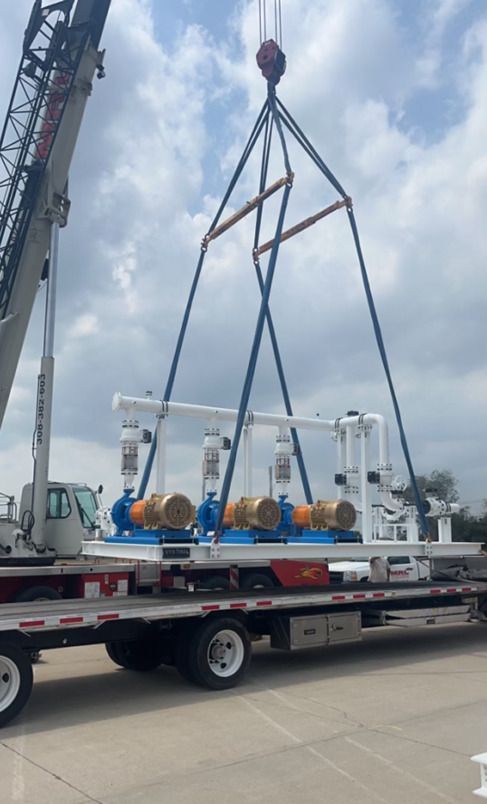
Imagine a compressor station or processing facility tied to energy infrastructure. In a conventional setup, crews wait for structural work before installing equipment. With modular construction, equipment skids or building sections arrive nearly complete. Installation shifts from long build phases to faster placement and connection.
This approach brings several timeline benefits:
• Parallel workflows replace step-by-step sequencing
• Weather disruptions carry less weight
• Inspection processes move faster in controlled environments
• Labor coordination becomes more predictable
Each of these factors contributes to a schedule that holds together instead of drifting.

Cost Control Starts Before Construction Begins
Budget pressure rarely comes from one source. It builds through small inefficiencies, delays, and rework. Modular construction addresses those issues at the source.
Fabrication in a controlled setting allows teams to plan with greater accuracy. Materials arrive in bulk and stay protected from damage. Crews follow repeatable processes, which leads to fewer errors. That consistency reduces costly rework.
Transportation and assembly still require planning, yet those phases tend to stay more predictable than full onsite builds. Fewer surprises translate into tighter cost control. Cost advantages include reduced material waste, lower labor variability, fewer delays tied to weather or site conditions, and shorter project duration that cuts overhead expenses. Over time, these savings add up. Projects will stay closer to the original budget instead of drifting beyond expectations.
Quality Gains Through Controlled Environments
Quality can suffer when crews work in changing site conditions. Temperature swings, wind, and limited workspace all create challenges. Modular construction removes many of those variables.
Fabrication facilities provide stable conditions. Tools stay in place, and processes follow a consistent pattern. Crews can focus on precision instead of reacting to environmental factors.
Inspection also improves in this setting. Teams can review components at multiple stages before shipment. That level of oversight reduces the chance of defects reaching the jobsite.
For industries tied to energy infrastructure, quality carries serious weight. Equipment must perform reliably under demanding conditions. Modular construction supports that need by allowing highly detailed fabrication and testing before installation.

Safety Improvements Across the Project
Safety remains a constant concern in construction. Jobsite risks increase with exposure to weather, heavy equipment, and tight schedules. Modular construction helps reduce those risks.
Offsite fabrication shifts much of the work to controlled facilities. Crews operate in environments designed for safety. Equipment placement, lighting, and workflow all support safer operations.
Onsite work becomes more focused. Instead of extended construction phases, crews handle assembly and connections. That shorter exposure reduces the chance of incidents.
Safety benefits include:
• Fewer workers exposed to jobsite hazards
• Controlled fabrication environments
• Reduced congestion at the site
• Shorter overall project duration
A safer project supports both timelines and budgets. Fewer incidents mean fewer disruptions.
Flexibility Without Sacrificing Performance
Saving time and money with modular construction requires taking a closer look at the flexibility this process brings to the table. Some teams hesitate to adopt modular construction due to concerns about flexibility. They assume prefabrication limits design options.
In reality, modular systems can adapt to a wide range of project needs. Design teams can create modules directly tailored to specific applications. For energy and industrial projects, that might include equipment skids, control buildings, or processing units.
Each module fits into a larger system without forcing a one-size-fits-all approach. Changes can still occur during early design phases. Once fabrication begins, the process becomes more structured.
That structure supports efficiency rather than limiting creativity. The result looks like a balance between customization and consistency. Projects meet performance requirements while still benefiting from streamlined production.
Common Applications in Industrial and Energy Projects
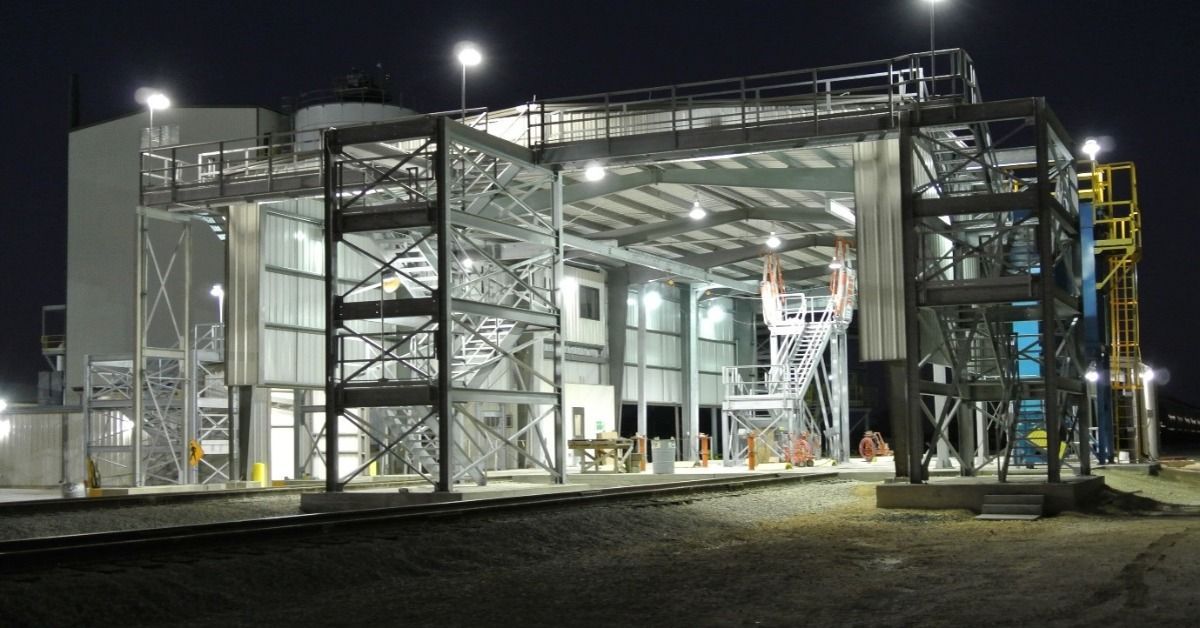
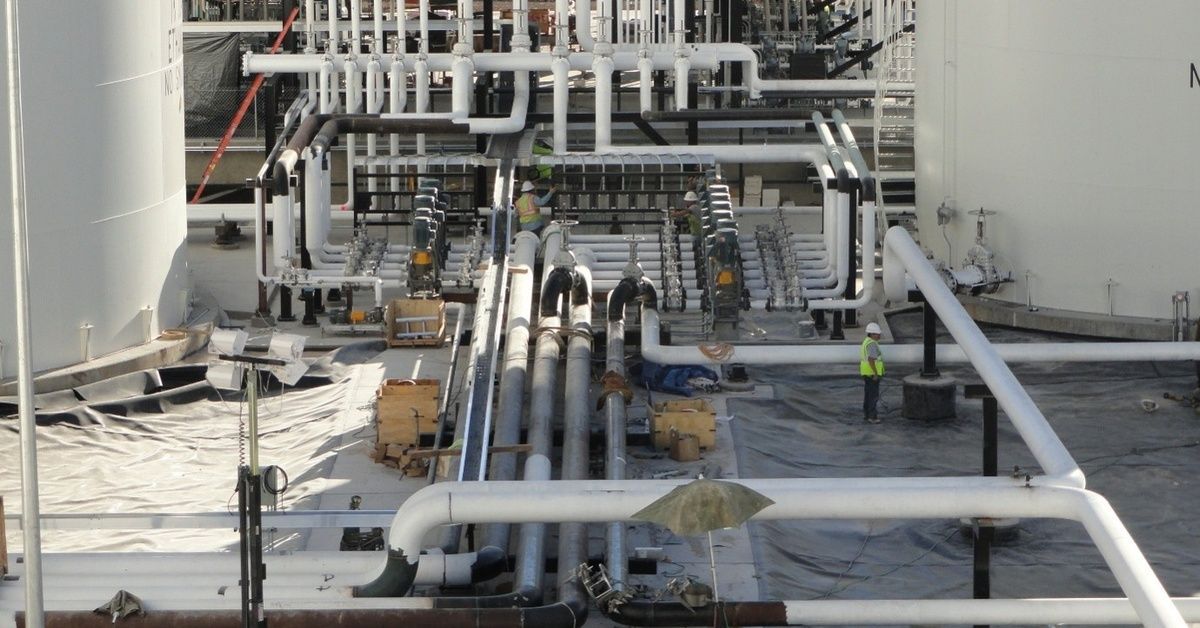
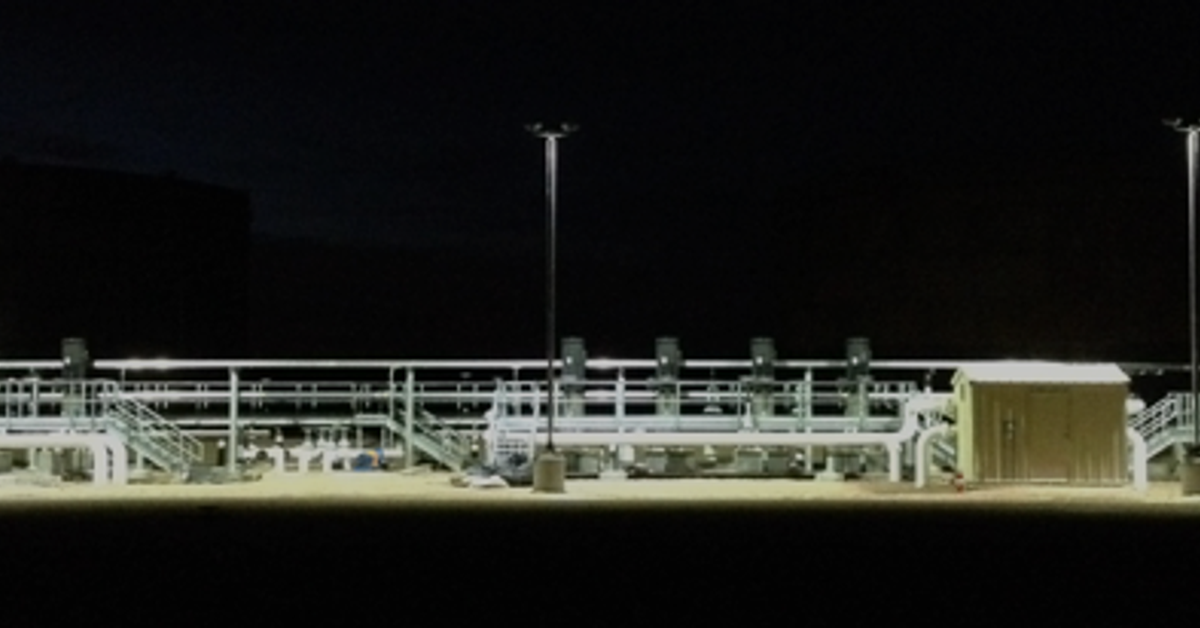
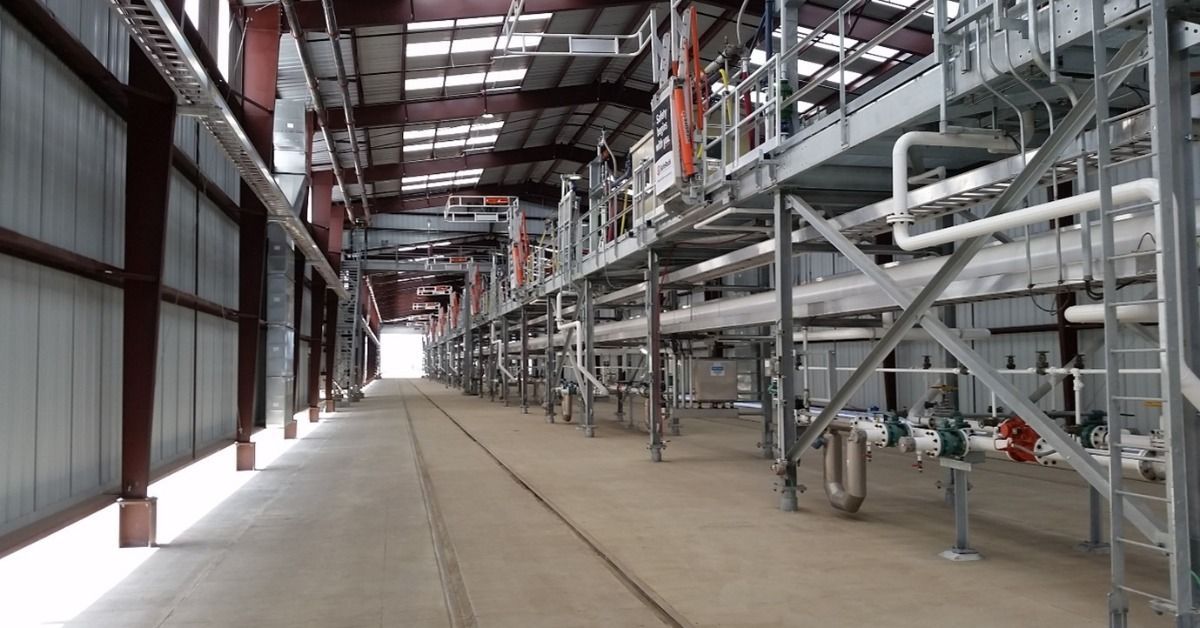
Modular construction fits naturally within industrial and midstream energy work. These projects rely on equipment, piping, and structural systems that can be efficiently assembled in sections. Examples include pump stations, metering and control building, and fabricated equipment skids
Each of these components can be entirely built offsite, tested, and delivered ready for installation. That approach aligns with the needs of companies that move refined products like oil and gas across large networks. For organizations focused on infrastructure, modular construction supports both speed and reliability. It allows teams to deploy systems faster without sacrificing performance.
Why Project Teams Continue to Shift Toward Modular Methods
Adoption continues to grow because the benefits show up across multiple areas. Teams gain more control over schedules, costs, and quality. That combination creates a strong case for modular construction in large-scale projects.
Another factor involves labor availability. Skilled labor can be difficult to secure for long onsite builds. Modular construction concentrates labor in fabrication facilities, which helps teams manage resources more effectively.
Project owners also value predictability. When timelines and budgets stay stable, planning becomes easier across the entire organization. That stability supports long-term growth and operational planning.
A Smarter Path Forward for Modern Construction
Construction continues to evolve as project demands grow more complex. Modular construction offers a practical way to meet those demands without adding unnecessary risk. It brings together efficiency, quality, and safety in a way that traditional methods struggle to match.
For companies involved in industrial and energy infrastructure, that combination can reshape how projects move from planning to completion. If your next project calls for tighter timelines and stronger cost control, modular construction is a strategy worth serious consideration and reliable industrial construction services can help you toward better outcomes from day one.