In-House ASME Fabrication Benefits for Oil & Gas Terminals
Oil and gas terminal projects demand tight coordination and strict adherence to safety codes. When fabrication takes place under one roof, teams gain more control over every phase of the build. That control shapes better outcomes, from design alignment to field performance. In-house ASME fabrication benefits for oil and gas terminals come into focus when timelines tighten and quality standards rise.
If your next project calls for dependable execution and fewer surprises, it may be time to rethink how fabrication fits into the process. A more integrated approach can support smoother delivery and stronger long-term results. Let’s walk through what that looks like and where the advantages show up.
What ASME Fabrication Means in This Space
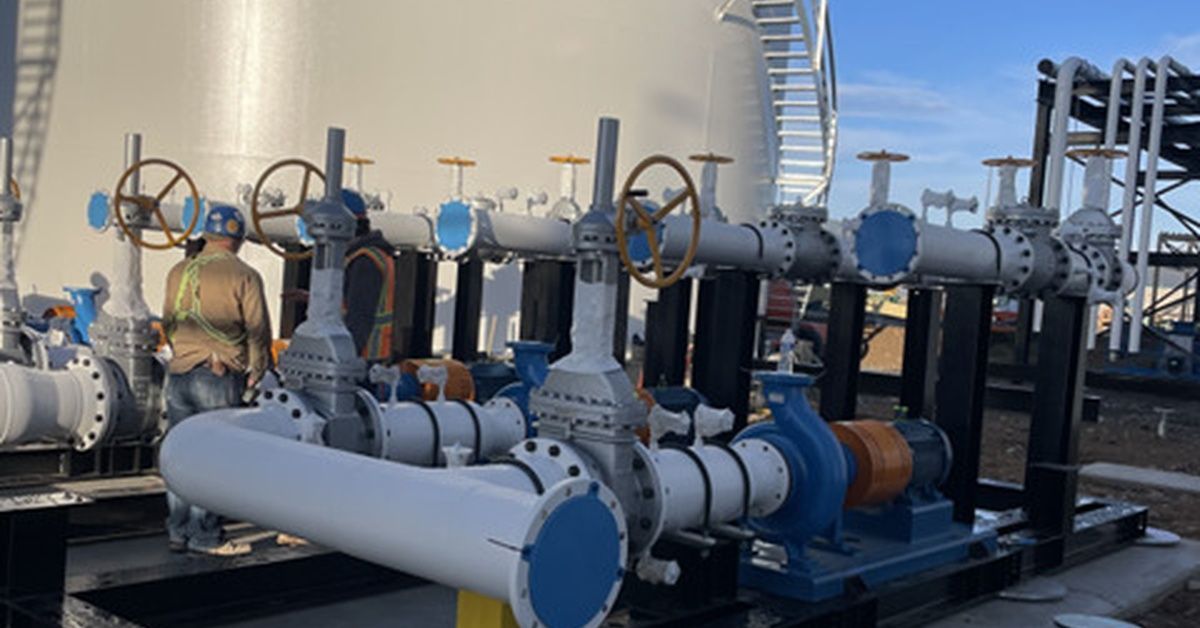
ASME fabrication refers to work that follows standards set by the American Society of Mechanical Engineers. These standards guide the construction of pressure vessels, piping systems, and related components. In oil and gas terminals, that scope includes tanks, skids, piping assemblies, and pressure-rated equipment.
Each component must meet strict requirements tied to safety and performance. Fabrication quality has a direct effect on how well a terminal operates once it goes live. When that work stays in-house, oversight becomes far more direct and consistent. Teams that handle fabrication internally can align each step with project goals from the start. That alignment helps reduce friction between design, fabrication, and construction.
Greater Control Over Quality and Standards
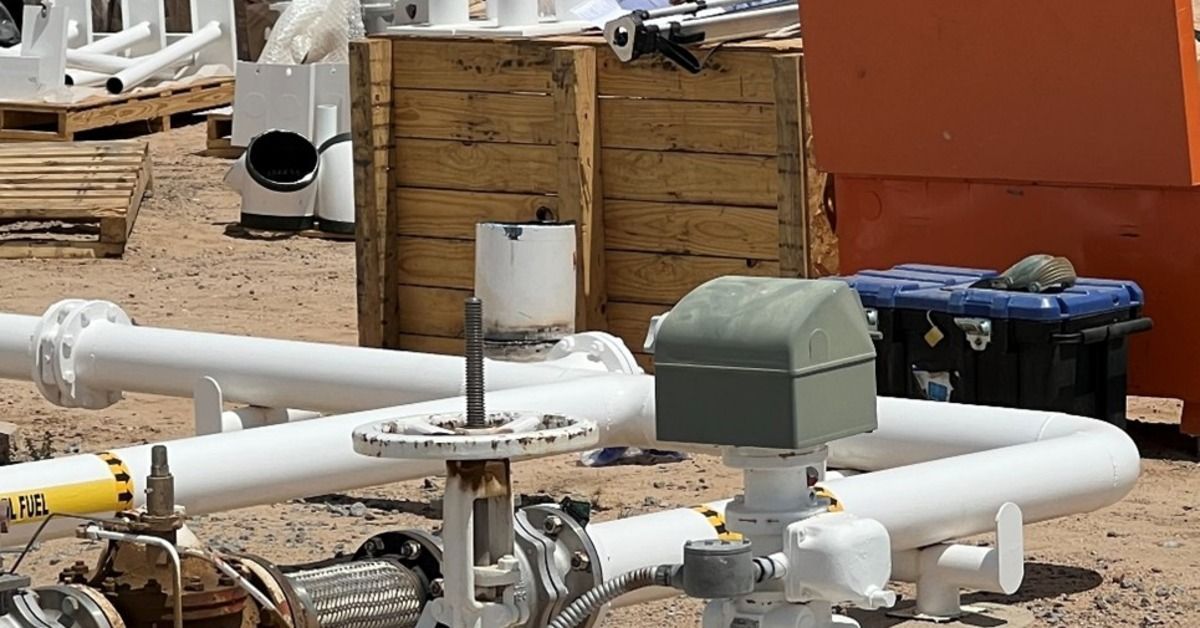
One of the clearest benefits of in-house ASME fabrication for oil and gas terminals is tighter quality control. When fabrication happens offsite with multiple vendors, consistency can drift. Differences in interpretation and varying processes can create issues that surface later.
With an internal fabrication team, standards stay uniform across the board. Weld procedures, material handling, and inspection protocols follow the same playbook. That consistency leads to fewer defects and better long-term performance.
Inspection also becomes more efficient. Internal teams can conduct checks at each phase without delay. Problems will get caught early, which helps avoid rework after installation. For oil and gas terminals, where safety and reliability carry serious weight, that level of control matters. It supports equipment that performs as expected under demanding conditions.
Stronger Coordination Between Design and Fabrication
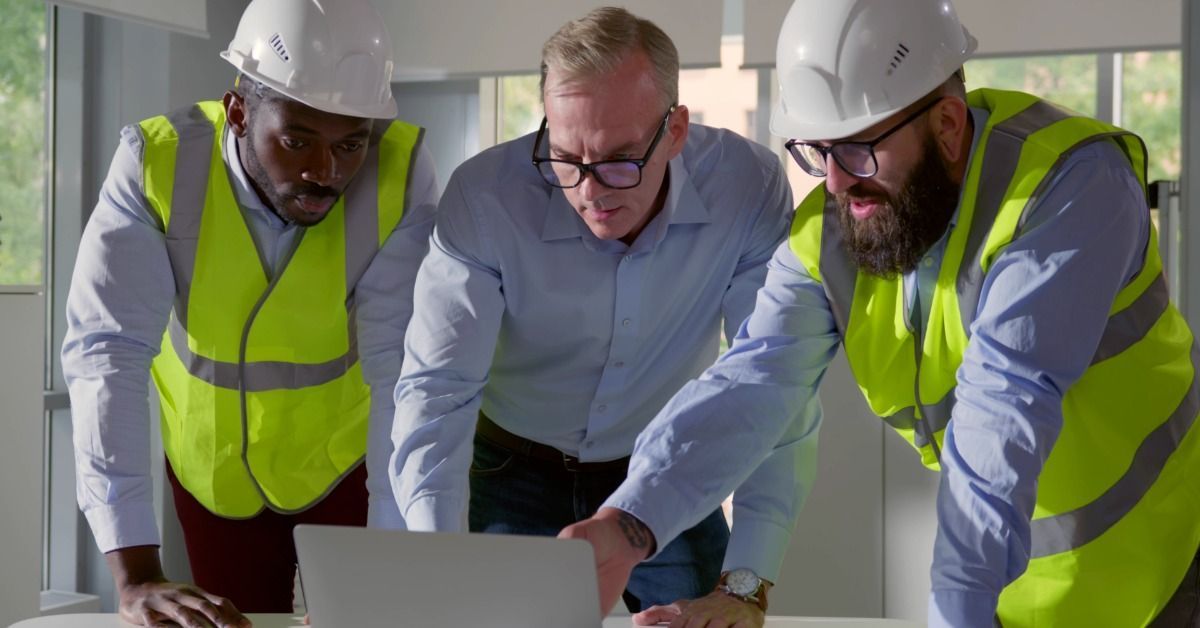
Design and fabrication don’t operate in isolation on complex terminal projects. When those teams work side by side, communication improves in a very practical way. Engineers can collaborate with fabricators in real time. If a design detail needs adjustment, feedback comes quickly and gets accurately applied without delay.
That interaction reduces the back-and-forth that tends to slow progress when teams sit in different locations. This connection also supports smarter design decisions. Fabricators bring hands-on insight into what works best in the field.
Their input can shape designs that are easier to build and install. The result is a smoother transition from concept to completed equipment. Each phase supports the next instead of creating friction.
Improved Project Timelines
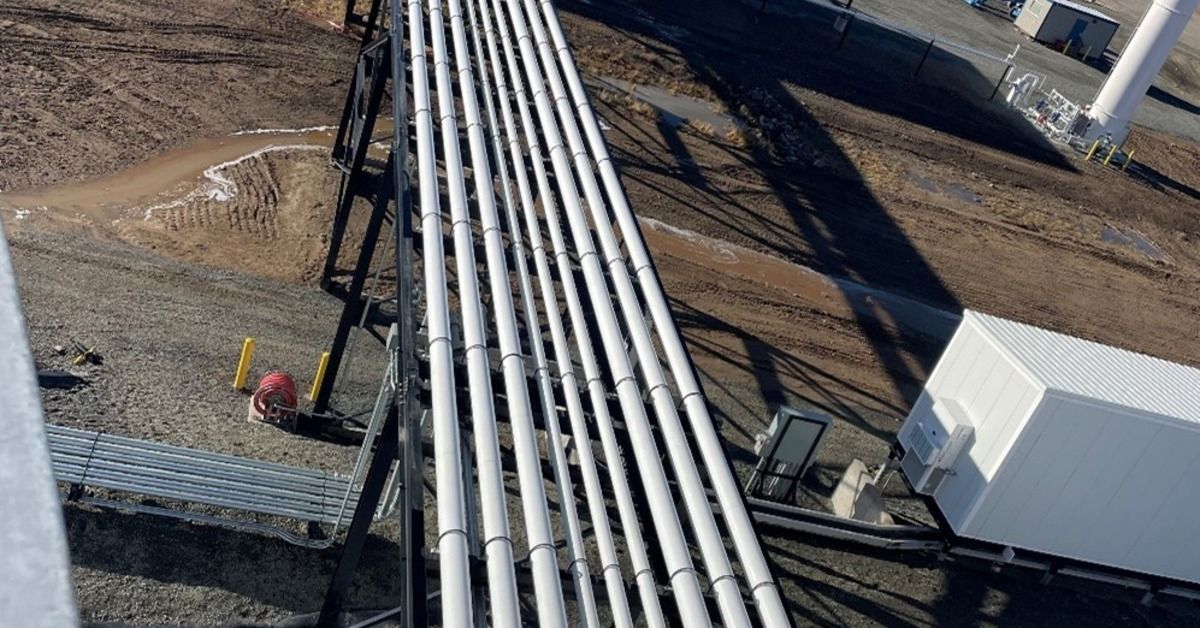
Time plays a major role in oil and gas terminal development. Delays can ripple across schedules and increase costs across multiple areas. In-house fabrication helps tighten timelines by reducing dependence on outside vendors. There’s no need to wait in line behind other projects at a third-party shop.
Work can move forward based on project priorities. Scheduling also becomes more flexible. If project needs shift, internal teams can adjust without renegotiating timelines or contracts. That adaptability helps keep progress on track even when conditions change.
Material flow and logistics also benefit from this setup. Components move directly from fabrication to the job site or staging area without extra layers of coordination. All of this adds up to a more predictable schedule with fewer disruptions.
Better Cost Management Over the Full Project
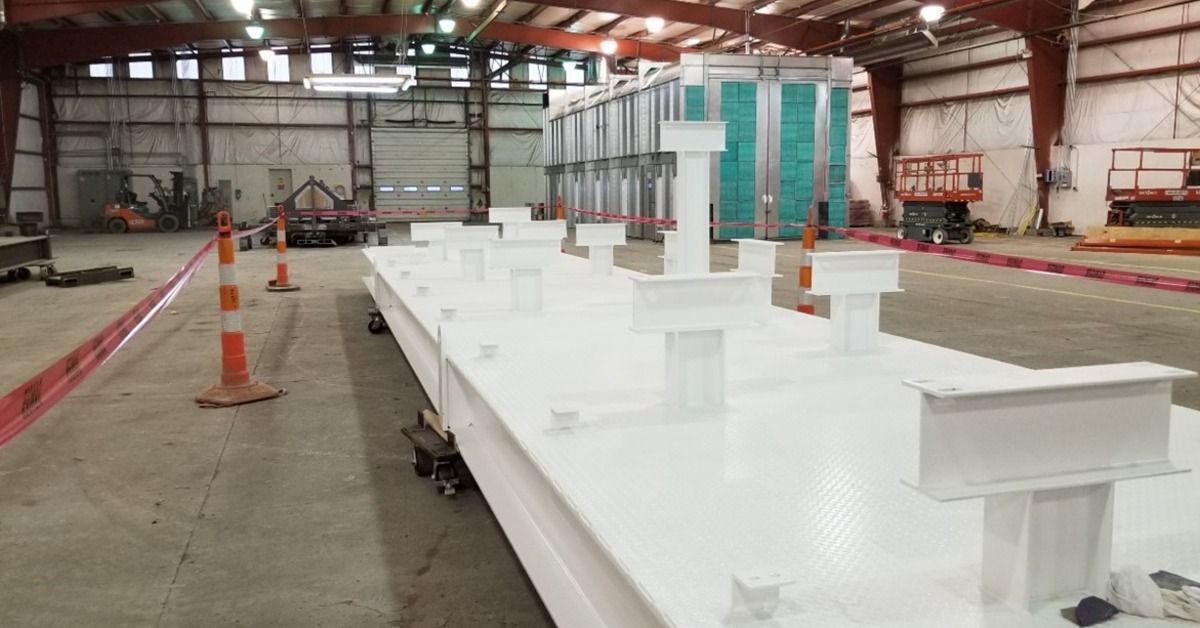
Cost control doesn’t just come from lower upfront pricing. It comes from avoiding delays, reducing rework, and improving efficiency across the entire project. In-house fabrication supports this in several ways:
- Fewer change orders due to tighter coordination
- Reduced transportation costs between vendors
- More efficient use of labor and materials
Each of these factors contributes to a more stable budget because costs stay aligned with expectations instead of drifting due to unforeseen issues. Over the life of a terminal project, those savings can add up in a meaningful way. It’s not about cutting corners; it’s about running a tighter, more connected process.
Enhanced Accountability Across Teams
When multiple vendors handle different parts of fabrication, accountability can become unclear. If an issue arises, teams may spend time sorting out responsibility instead of solving the problem. With in-house fabrication, responsibility stays highly centralized. Teams operate under the same leadership and follow shared goals, and that structure makes it easier to address challenges quickly.
Accountability also supports stronger communication. Teams know who to contact and how decisions get consistently made. That clarity reduces delays and helps keep work fully aligned with project objectives. In oil and gas terminal construction, where coordination spans multiple disciplines, that level of accountability propels projects forward.
Consistent Safety Practices
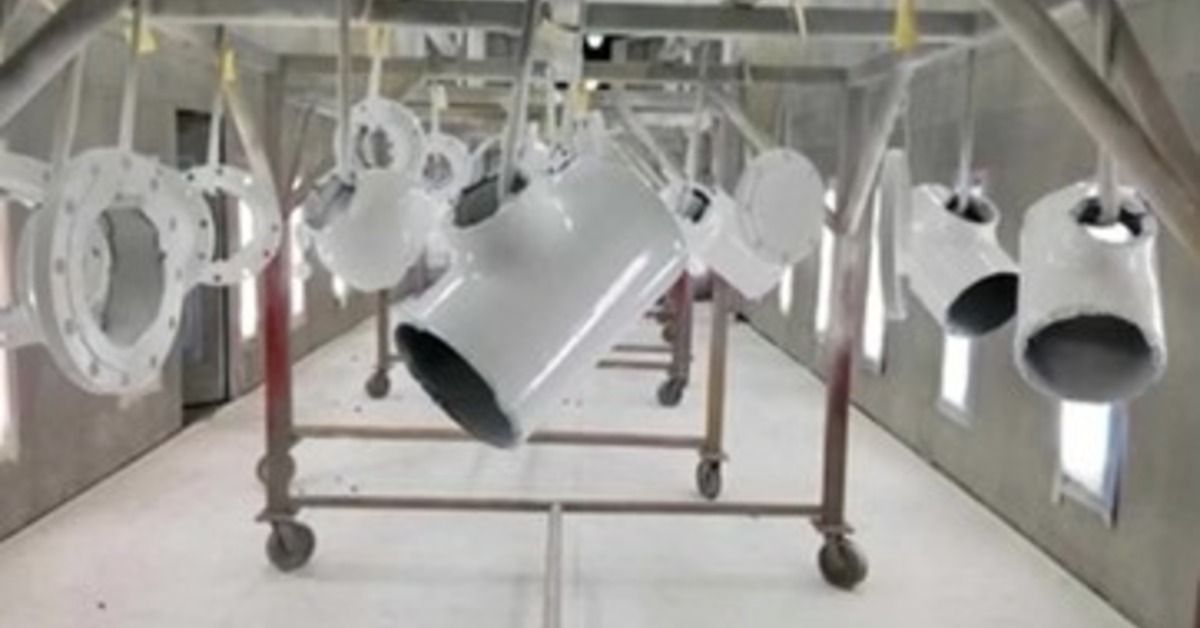
Safety standards carry serious weight in this industry. Fabrication work must meet strict guidelines to protect both workers and end users. When everything is in-house, the Internal fabrication teams operate under a unified safety program.
Training, procedures, and oversight stay consistent across all work areas. Simply put, consistency reduces risk and supports a safer work environment. When fabrication takes place across several vendors, safety practices can vary.
Even small differences can create exposure that affects the broader project. A single, integrated approach helps maintain high safety standards from the beginning. That approach aligns with the expectations placed on oil and gas infrastructure projects.
Streamlined Installation in the Field
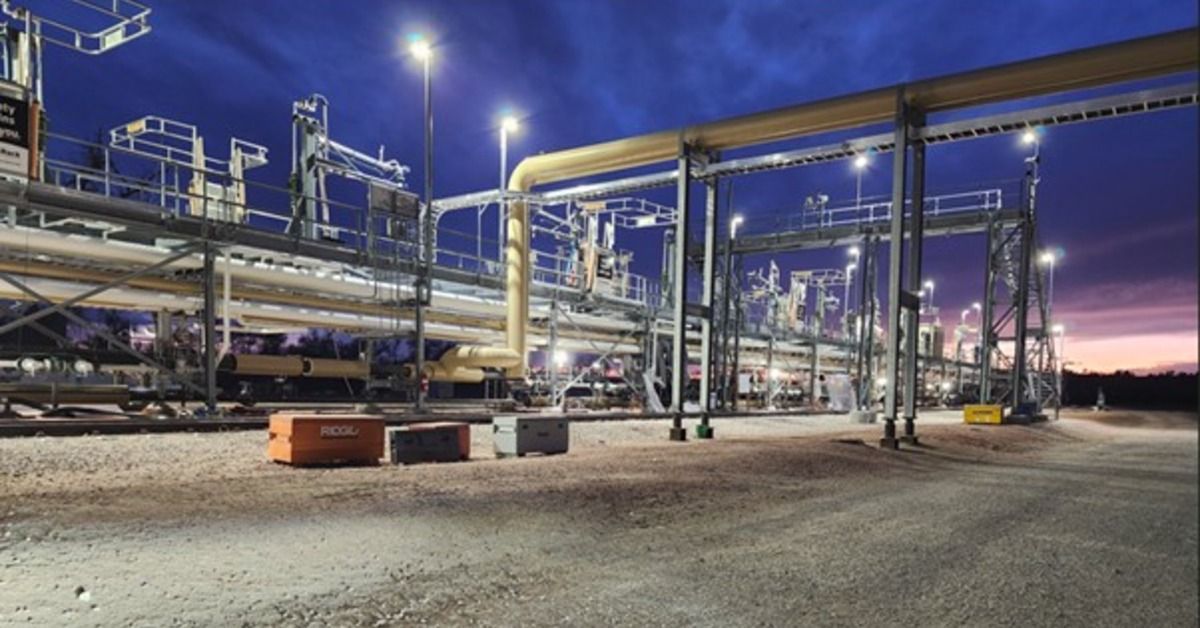
Fabrication doesn’t end when components leave the shop. Installation in the field depends on how well those components fit together. In-house fabrication teams can coordinate closely with construction crews. They understand how equipment will be consistently installed and can build components with that in mind.
This coordination reduces fit-up issues onsite. Components arrive ready for installation, which helps crews work more efficiently. Fewer adjustments in the field also mean less downtime. Crews can stay focused on progress instead of troubleshooting avoidable issues.
Moving Forward with a Smarter Fabrication Approach
If your next terminal project calls for tighter coordination and stronger control, an in-house fabrication model deserves a closer look. It offers a way to bring multiple phases of the project into alignment under one system. That alignment supports quality, timeline stability, and long-term performance.
It also helps teams respond to challenges without losing momentum. Take time to evaluate how fabrication fits into your current process so you can talk to a reliable industrial fabrication service ASAP. A more integrated approach could support better results across the board and help your project stay on track from day one.