Smarter Crude-by-Rail Solutions for Multiple Basins
The energy landscape shifts constantly, and producers face the challenge of moving product efficiently across vast distances. Traditional pipelines provide a steady flow, but they lack the flexibility needed to navigate today's volatile markets. This reality brings smarter crude-by-rail solutions for multiple basins into the spotlight as a viable, strategic alternative.
Rail transport offers a level of adaptability that fixed infrastructure cannot match. When production spikes in one region and demand surges in another, trains can bridge the gap almost immediately. You aren't tied to a specific route or destination for decades. Instead, you gain the freedom to chase the best prices across the continent. Let’s take a closer look at the advantages of this approach now.
The Flexibility Advantage
Pipelines take years to permit and build. By the time a new line opens, market conditions might have changed completely. Rail terminals, on the other hand, can ramp up operations relatively quickly. This speed allows producers to respond to market signals in real-time.
Imagine a producer in the Bakken region who sees a sudden price premium on the Gulf Coast. A pipeline commitment might lock that oil into a Midwest delivery point. A rail solution allows that same producer to redirect shipments south to capture the higher value. This agility translates directly to the bottom line.
It also works in reverse. If a refinery in the Pacific Northwest needs specific crude grades, rail cars can deliver distinct batches without blending issues. Pipelines mix batches to maintain flow, which dilutes the specific qualities of a crude type. Rail preserves the integrity of the product from loading to unloading.
Speed to Market
In the oil business, time is money. Sitting on inventory while waiting for pipeline space eats into profits. Rail transport offers a "just-in-time" delivery model that keeps inventory moving. You can schedule shipments to align perfectly with refinery turnaround times or storage availability.
This reliability helps refiners manage their feedstock more effectively. They don't have to hold massive reserves on-site if they know a train will arrive on schedule. It creates a leaner, more efficient supply chain for everyone involved.

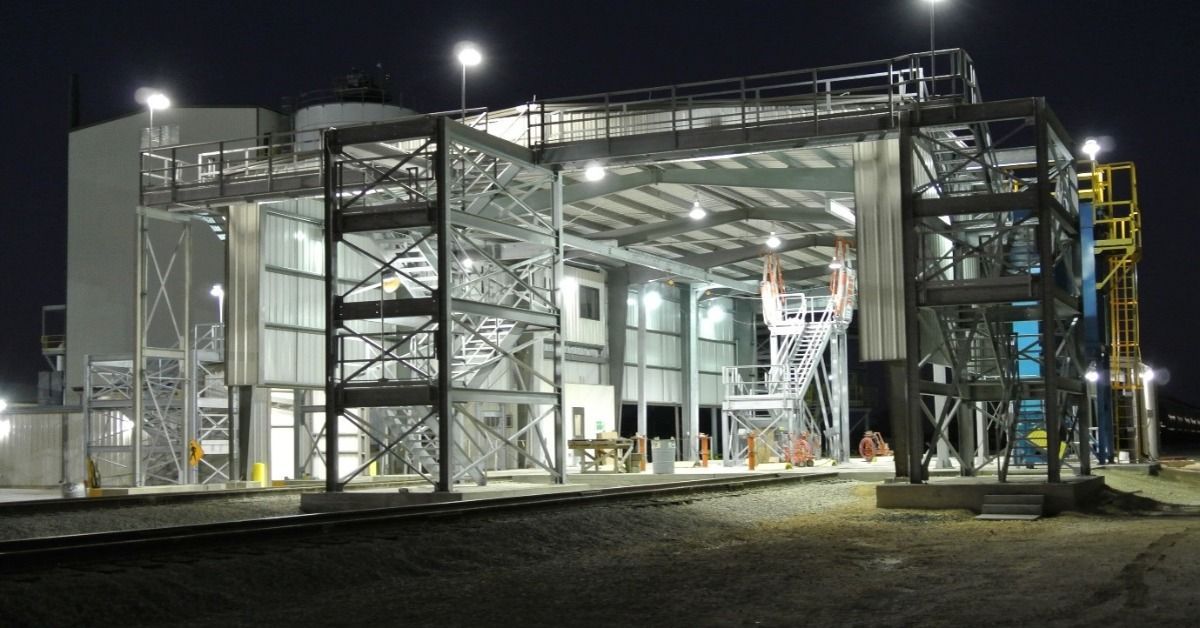
For new production sites, rail offers the fastest path to cash flow. You can set up a transloading facility in days and weeks, not months and years. This allows a company to start generating revenue while long-term infrastructure plans are still on the drawing board. It bridges the gap between exploration and full-scale production.
Diversifying Risk
Relying solely on one mode of transport exposes a business to significant risk. A pipeline outage can trap millions of barrels of oil with nowhere to go. Diversification is a smart strategy in any portfolio, and logistics is no different. Adding rail to the mix creates a safety valve for your operations.
If a main line goes down for maintenance or suffers a leak, rail capacity can scale up to handle the excess. It acts as an insurance policy against catastrophic logistical failures. This redundancy gives investors and stakeholders peace of mind.
Market risk is another factor. Price differentials between basins can widen or narrow unpredictably. A diversified transport strategy allows you to arbitrage these spreads. You can choose the most profitable destination for every barrel, rather than being a price taker at a single hub.
Economic Benefits for Local Communities
Rail terminals create jobs in rural areas that might otherwise struggle economically. These facilities need operators, mechanics, and administrative staff. The ripple effect supports local businesses, from diners to hardware stores.
Furthermore, rail allows for smaller, scalable investments. You don't need millions of dollars to start moving product. This lower barrier to entry allows smaller players to compete in the market. It fosters a more dynamic and competitive energy sector.
Customized Logistics for Niche Markets
Not every refinery is a mega-complex on the Gulf Coast. Many smaller, regional refineries serve specific local markets. These facilities often lack pipeline connections and rely entirely on rail or truck deliveries. Rail serves this niche perfectly.
Small producers can aggregate their volume to fill a unit train. This cooperation gives them access to markets that would otherwise be out of reach. It levels the playing field against the major multinational corporations.
Specialized crudes, like those with high wax content, present challenges for pipelines. They can clog lines if the temperature drops. Rail cars with insulation and heating capabilities handle these difficult products with ease. It opens up production from basins that were previously considered uneconomical.
The Future of Energy Logistics
The transition to renewable energy will not happen overnight. During this transition, flexibility will be the most valuable asset. Fixed infrastructure runs the risk of becoming a stranded asset as demand patterns shift.
Rail assets are mobile. If production in one basin declines, you can move the cars and locomotives to a new region. This mobility protects capital investment. It allows logistics providers to pivot along with the market.
We see a future where rail and pipelines work in harmony. Pipelines handle the consistent, baseload volume between major hubs. Rail handles the variability, the niche products, and the connections to remote areas. This hybrid model creates a resilient, efficient energy network for North America.

Manage Your Rail Solutions
The argument for rail is not about replacing pipelines, but about augmenting them. It offers a layer of strategic depth that smart producers use to their advantage. Embracing smarter crude-by-rail solutions for multiple basins results in companies gaining the agility to navigate an unpredictable world.
They protect their margins, diversify their risk, and access new markets with ease. Don't let rigid infrastructure hold your business back. Contact our construction engineering services today to learn how we can tailor a logistics strategy that keeps your product moving and your profits growing.