Right-Sizing Industrial Infrastructure; Avoid Wasted Capital
Large industrial builds carry weight. Steel, concrete, labor, equipment, and timelines all add up fast. When infrastructure exceeds actual demand, capital gets tied up in assets that sit idle. Or, if it falls short, expansions follow sooner than planned.
If your next project is on the horizon, evaluate scope carefully and align capacity with real operational needs. Right-sizing industrial infrastructure to avoid wasted capital is not about cutting corners. It is about aligning design, throughput, and long-term plans so your investment works as hard as it should.
What Right-Sizing Really Means in Industrial Projects
Right-sizing infrastructure means building to match realistic production forecasts and operational demands. It accounts for current throughput, projected growth, and logistical constraints. It also considers maintenance access, redundancy, and equipment lifespan.
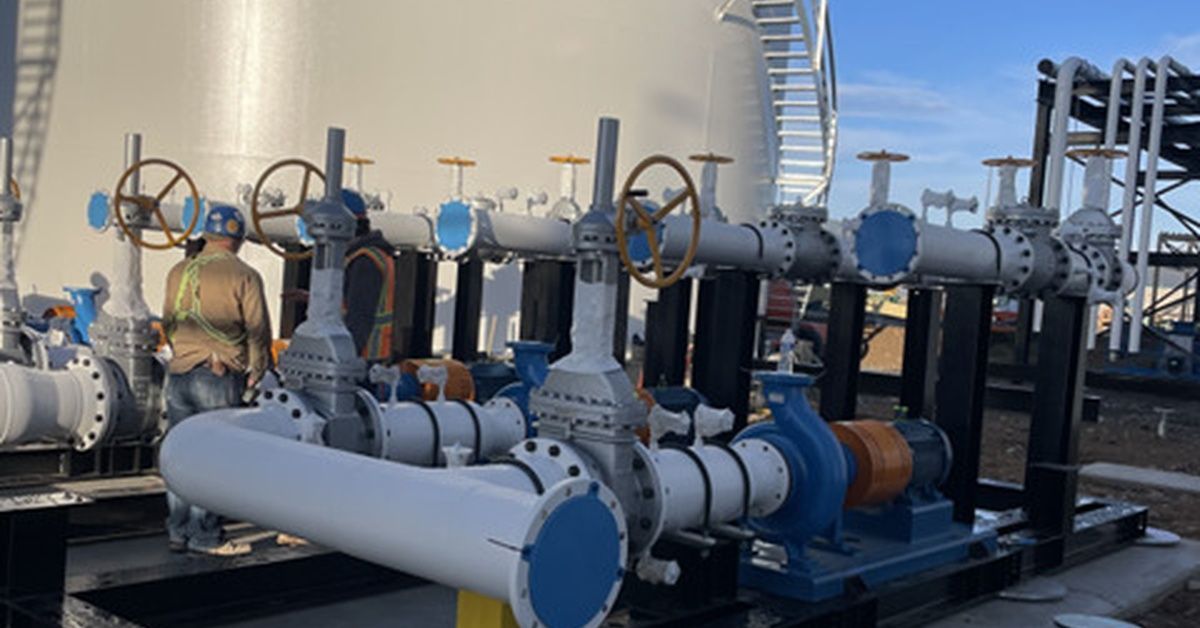
In midstream oil and gas projects, that may involve pump station sizing, pipe diameter selection, or compression capacity. Oversized equipment raises procurement and installation costs. It also increases long-term maintenance expenses. Undersized systems restrict flow rates and limit revenue potential.
A well-sized facility aligns with projected demand and allows structured expansion when justified. That approach keeps capital deployed strategically instead of locked into unused capacity.
The Cost of Oversizing Infrastructure
Many companies build for peak-case scenarios. Leadership may expect rapid growth or anticipate market shifts. That optimism can drive infrastructure decisions beyond realistic projections.
- Oversizing creates several cost layers
- Higher upfront material and fabrication expenses
- Increased structural requirements
- Larger foundations and additional site preparation
- Elevated maintenance costs across equipment life
- Reduced return on invested capital
For example, a facility designed for throughput that exceeds regional demand by 40 percent may operate below capacity for years. Pumps, compressors, and support systems run below optimal load. Capital remains tied to unused capability. The result is not operational resilience; it is financial drag.
The Risk of Undersizing
On the other end of the spectrum, undersized infrastructure forces reactive expansion. That scenario creates disruption and higher retrofit costs.
Expansion within a live industrial site carries its own risks. Shutdown coordination affects customers and supply chains. New structural additions may require redesign of adjacent systems. Costs escalate quickly when original planning did not allow for phased growth.
A properly scoped project accounts for scalable design. Modular construction, strategic layout planning, and equipment selection with upgrade paths allow growth without major reconstruction.
Aligning Capacity With Operational Reality
Accurate right-sizing starts with disciplined forecasting. Production data, customer contracts, and regional market analysis inform design parameters. Engineering teams translate those inputs into equipment specifications and layout strategy.
That process should involve:
- Realistic demand projections based on signed commitments
- Sensitivity analysis for moderate growth scenarios
- Defined expansion thresholds
- Clear capital allocation strategy
In midstream infrastructure, flow modeling plays a central role. Pipeline sizing must reflect realistic throughput, pressure requirements, and terrain conditions. Pump stations must match hydraulic calculations instead of speculative volume spikes. Data-driven design replaces assumption-based planning.
Designing for Phased Growth
It’s important to work with a team that understands your industry. For example, partner with terminal operation services to discuss potential growth opportunities early in the design phase. Experienced service providers will use their skills refined over years in the industry to help you craft the best design possible.
Growth rarely happens overnight. Infrastructure that supports phased expansion allows capital deployment in stages. That approach protects cash flow and supports adaptability.
Practical examples include:
- Installing foundations that support additional equipment later
- Designing layouts with reserved tie-in points
- Selecting modular skids for pumps or compressors
- Allocating space for future electrical upgrades
Phased strategy allows companies to scale in response to actual demand. Capital enters the project when revenue justifies it. That structure reduces financial strain and keeps balance sheets healthier.
Industrial fabrication and construction teams play a large role here. Early collaboration between engineering and field execution supports layouts that accommodate future additions without major demolition.
The Role of Integrated Engineering and Construction
A disconnect between design and field execution can distort project scope. Engineers may size equipment conservatively, and construction teams may face site constraints that alter layout efficiency.
Integrated engineering and industrial construction services bring those disciplines together early. Coordination reduces duplication, redesign, and scope creep. It also improves cost forecasting accuracy.
When fabrication, engineering, and construction operate within one coordinated strategy, project teams can evaluate trade-offs in real time. That alignment supports right-sized infrastructure that reflects both technical requirements and buildability.
For companies operating in oil and gas transport, machinery selection must align with operational realities. Pumps, compressors, and structural supports require practical installation and maintenance access. Oversized equipment complicates layout and increases structural demand.
Avoiding Scope Creep and Capital Drift
Right-sizing industrial infrastructure is critical to avoiding wasted capital. One major cause for wasted capital is scope creep in projects. Scope creep does not always appear dramatic. Small additions accumulate across project phases. Additional redundancy, upgraded materials, and expanded footprints can push budgets beyond original intent.
Clear decision gates prevent unnecessary expansion. Project leaders should revisit initial demand assumptions at each design milestone. If projected throughput changes, design parameters should adjust accordingly.
Structured review points keep infrastructure aligned with operational plans. They prevent capital from drifting into features that exceed actual need.

Financial Discipline Across the Asset Lifecycle
Right-sizing extends beyond construction. Operating costs reflect infrastructure scale, so larger systems consume more power. They require more inspection and more maintenance hours.
Lifecycle cost analysis provides clarity. Teams should evaluate:
- Initial capital expense
- Energy consumption projections
- Maintenance labor requirements
- Replacement intervals
- Decommissioning considerations
A system that appears conservative during design may create disproportionate operating costs. When capacity aligns with demand, operating expenses remain proportional to revenue generation. That relationship strengthens long-term performance.
A Practical Example From Industrial Infrastructure
Consider a regional pipeline operator planning a new pump station. Early projections assume aggressive production growth. Engineers size pumps for maximum projected volume five years out.
If growth reaches only half that forecast, the station operates below intended load. Energy consumption remains high relative to throughput. Maintenance costs stay fixed regardless of volume.
An alternative approach designs for current contracted demand plus moderate expansion capacity. Foundations and layout accommodate additional pumps later. Capital enters the project when real volume supports it. That approach protects cash flow and supports steady growth without overextension.
Building With Intent
Industrial infrastructure represents long-term commitment. Decisions made during design shape financial performance for decades. Right-sizing demands discipline, data, and collaboration across engineering and construction teams.
Companies that treat infrastructure as a strategic investment rather than a race toward maximum capacity protect their capital. They build systems that match operational reality and adapt to future demand.
If your organization is planning a new facility, expansion, or upgrade, take time to evaluate scope with precision. Align projections with signed commitments and realistic market trends. Work with experienced industrial construction and engineering teams that understand the right systems for oil and gas transport.