
Preventing Rework Through Constructability Reviews
Consider a scenario familiar to many: a custom piece of furniture is beautifully designed, built, and delivered, only to later discover it cannot fit through the client’s doorway. The result is frustration, extra costs, and avoidable delays. This type of oversight occurs in industrial construction on a much larger scale, known as rework, and it consistently challenges project managers and owners alike. Proactive measures exist to reduce these setbacks. Explore methods for preventing rework through constructability reviews and the value of integrating these reviews early in project planning.
Defining Constructability
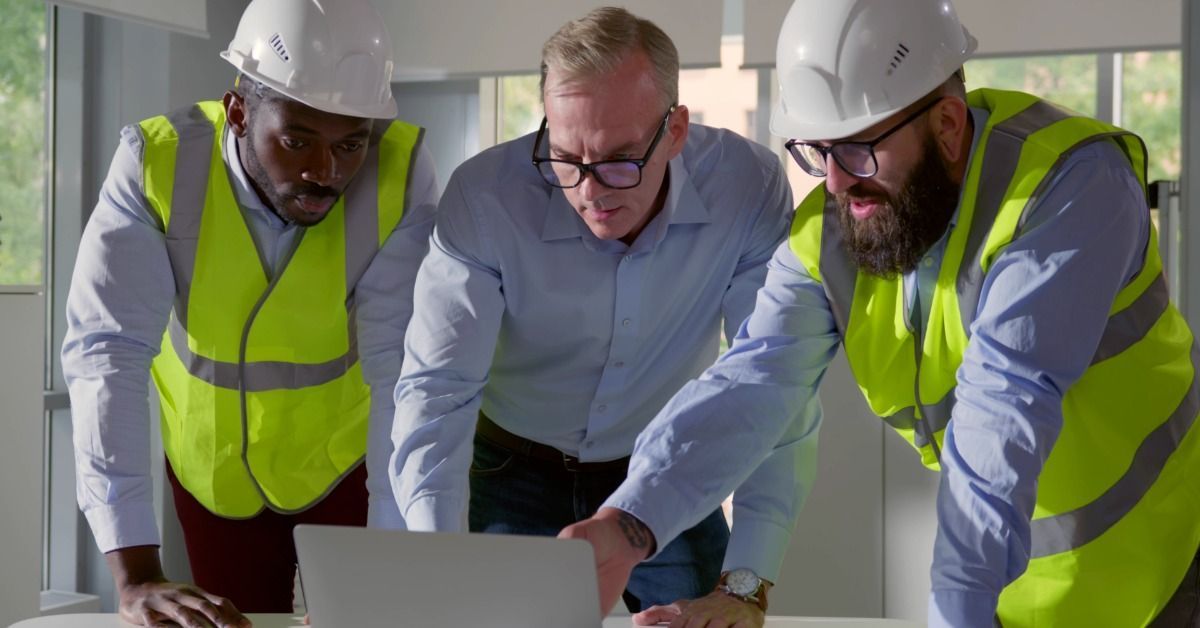
Constructability serves as a practical assessment of construction documents. While architects and engineers provide detailed designs and specifications, real-world constraints do not always align perfectly with the intended vision. A constructability review offers a platform for experienced construction professionals to examine the project plans before execution.
During this stage, constructability experts evaluate whether equipment access is achievable, identify potential systems conflicts, and confirm sufficient workspace for mechanical and electrical trades. By drawing on industry experience and technical insight, the review bridges the gap between conceptual intent and field implementation, reducing uncertainty and risk.
This stage is also the perfect time to consider modularization; efficiency and labor cost savings can greatly increase when components are constructed inside a fabrication shop rather than in the field. An emphasis on schedule is also critical in early stages; developing an FEL engineering process with defined design deliverables and timelines is critical.
Prioritizing Safety in Planning
A commitment to safety begins in the project’s earliest phases. Plans that inadvertently endanger workers can be fully revised during constructability reviews. For example, if access for safe installation is lacking, or a particular task exposes crews to fall risks, these issues surface during review sessions.
Recommendations might involve altering installation sequences or relocating specific elements to more accessible positions. Considering safety proactively keeps projects progressing smoothly from start to finish.
The True Cost of Rework
Projects sometimes advance quickly through design phases, with teams eager to begin construction. Addressing unforeseen issues only after they arise in the field exposes projects to substantial expenses. When an error is discovered during the build, schedules slip, labor idles, and material waste increases.
Delays carry financial consequences, particularly if finished work must be fully demolished and redone. These issues echo the setback of discovering an error late in an otherwise completed process, rapidly consuming budget and time.
Early Detection of System Clashes
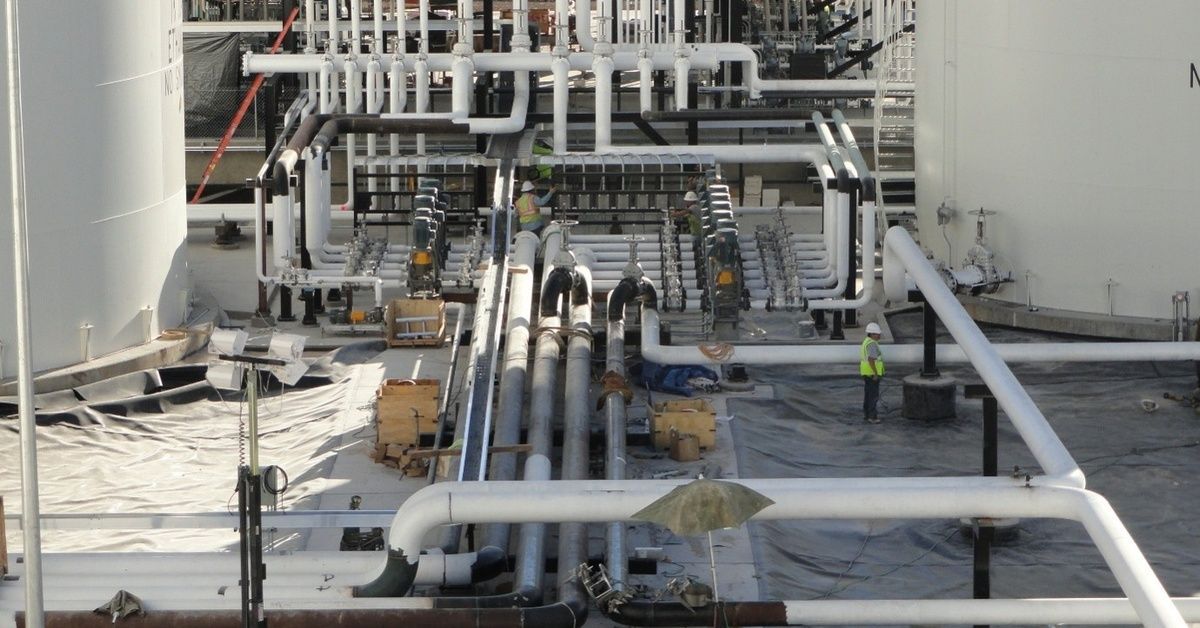
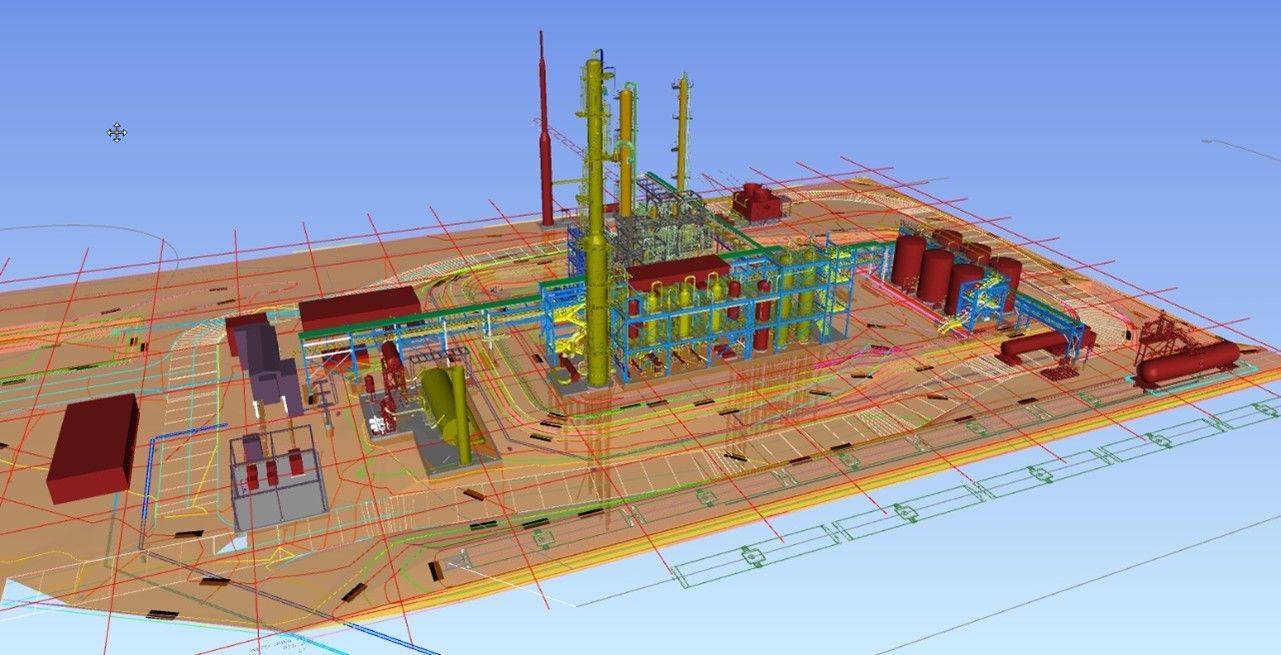
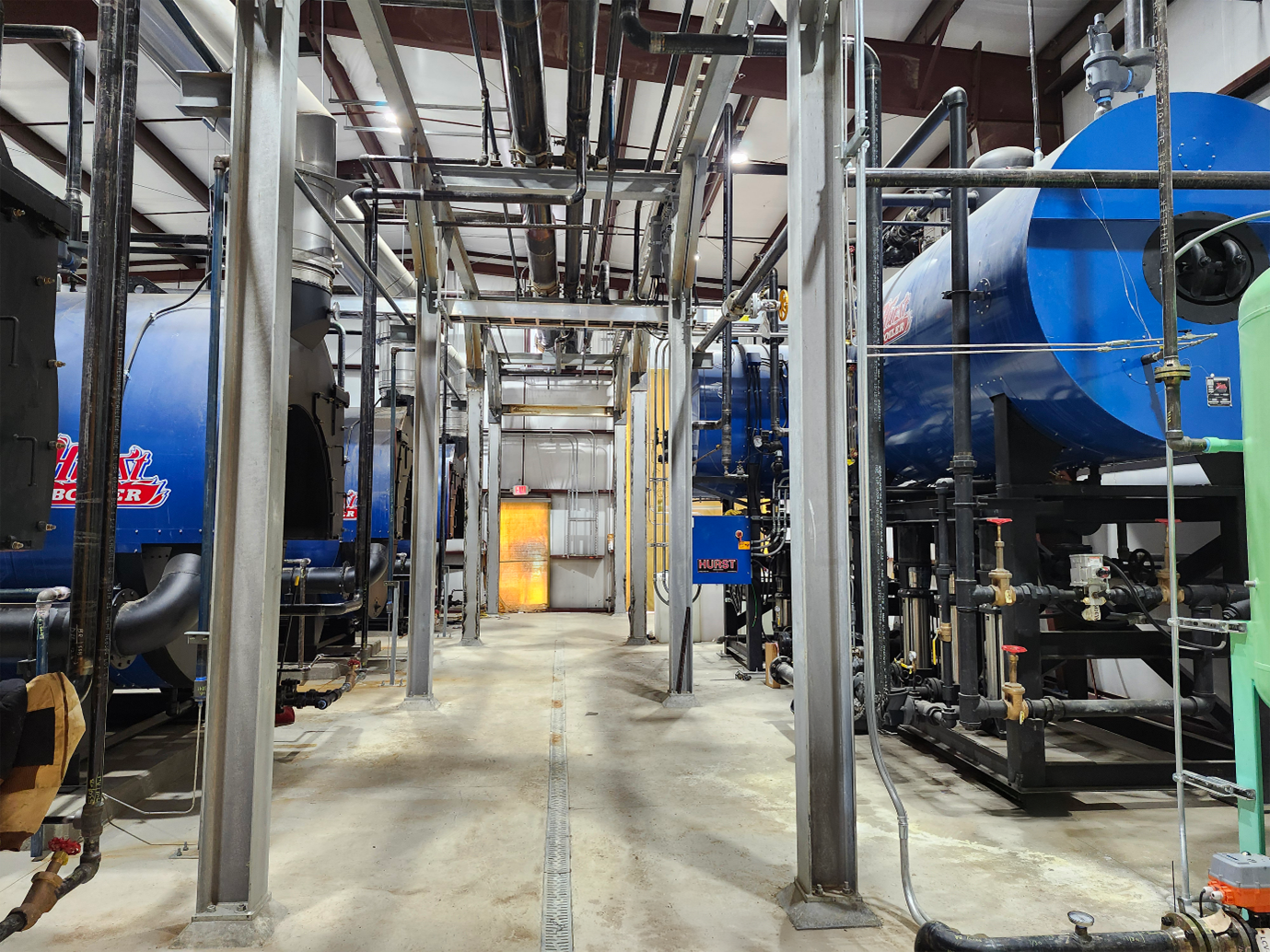
Industrial facilities often contain tightly integrated networks of process piping, structural steel, equipment, electrical, and instrumentation systems. Without detailed coordination, design documents can inadvertently route multiple systems through the same physical space—creating conflicts that cannot be built in the field.
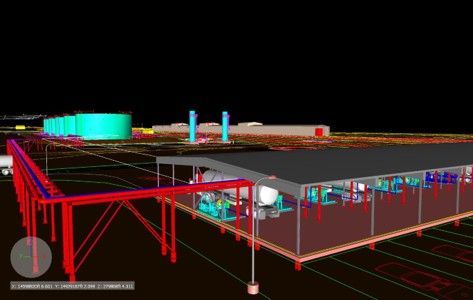
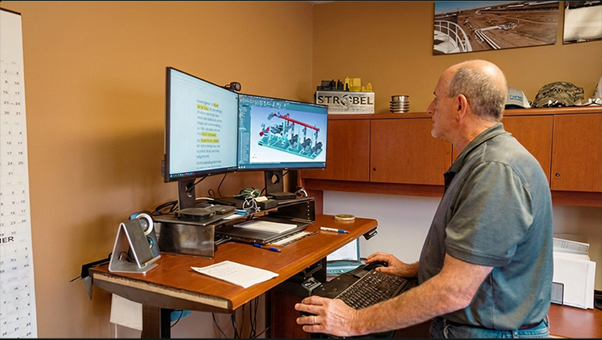
Clash detection for industrial piping focuses on identifying these interferences before construction begins. Using integrated 3D models and advanced tools such as Building Information Modeling (BIM), project teams can visualize complex piping runs, equipment clearances, and structural interfaces, resolving issues digitally long before materials arrive on site. This proactive approach reduces rework, avoids schedule disruptions, and significantly lowers construction risk and cost.
Accounting for Materials and Site Logistics
The review process goes beyond technical system alignment. Material selection and logistical feasibility must align with the project’s conditions. For instance, specifying oversized components without appropriate site access can yield delivery and installation issues, driving up costs or necessitating redesign.
Similarly, certain components may have specific appeal but have long lead times or limited local availability. Early identification of these mismatches empowers the team to re-specify products or adjust procurement schedules, maintaining project momentum while managing expense.
Engaging Skilled Practitioners
Thorough reviews draw input from individuals with direct construction experience. Involving general contractors and trade subcontractors during the preconstruction phase also provides crucial, practical perspectives. These contributors recognize nuances in sequencing, logistics, code compliance, and material handling that may otherwise go undetected.
Collaboration among designers and builders enhances project outcomes. Teams work jointly to identify opportunities to refine details, standardize components, and optimize costs. Such synergies replace adversarial dynamics with productive partnerships and unified project objectives.
Evaluating Construction Sequence
Successful completion depends not only on what is built but also on when and how the work proceeds. A constructability review evaluates the proposed project sequence, uncovering problematic overlaps or inefficient task scheduling.
Picture hypothetical scenarios where finishing trades begin before heavy-duty work has concluded, placing new installations at risk. Reviewers address these sequence-related conflicts by suggesting alternative workflows, which help avoid delays, repetition, or accidental damage to completed work.
Advantages of Standardization
Project efficiency benefits from increasing the use of standard, repeatable components. Custom features tend to present additional complexity and cost, both for procurement and construction.
Through the review process, suggestions may arise to reduce the number of unique sizes or components, such as consolidating window dimensions across façades. With fewer unique items, material orders and field fabrication run more smoothly, schedules compress, and overall quality improves.
Minimizing Requests for Information (RFIs)
A high volume of RFIs often signals document gaps or conflicting instructions, leading to delays while the answers arrive. Constructability reviews aim to preemptively address missing details and clarify ambiguities before construction teams mobilize.
Comprehensive preconstruction dialogue allows the identification and resolution of questions within the documentation. Fewer RFIs translate to a more predictable schedule and efficient construction flow.
Embracing Technology in the Review Process
The use of BIM, 3D modeling, and virtual simulation has transformed the way constructability reviews work. These technologies provide visualization tools that reveal geometric conflicts and accessibility issues beyond what plan review alone can achieve.
Virtual walkthroughs allow teams to examine the project from multiple perspectives, validate clearances, and test operability of equipment or access to critical systems. These capabilities reduce unforeseen issues and support proactive decision making.
Owner Engagement in the Review Process
Owners sometimes perceive constructability reviews as nonessential, focusing only on the initial expenditure. This approach overlooks the dramatic long-term cost savings that these reviews deliver. Addressing challenges proactively—through preventing rework through constructability reviews—turns construction into a disciplined, structured process rather than one marked by reactiveness and inefficiency.
Each invested dollar during design can result in tenfold savings through avoided change orders and field rework. Sophisticated owners now regard constructability reviews as a necessary part of project delivery, prioritizing predictability and budget control over costly mid-course corrections.
The Value of Preventing Rework
The implementation of constructability reviews brings substantial advantages to every project. These reviews transform complex sets of construction documents into actionable plans. Focusing on real-world constraints ensures they preserve margins, protect reputations, and deliver higher-quality results to clients.
Despite the many challenges that may arise during a project’s lifecycle — from unpredictable weather to market shifts — the quality of the planning process remains within the project team’s control. Eliminating avoidable mistakes in advance saves resources, lowers stress, and sets a positive foundation for downstream success.
Choose to proactively refine your next project by incorporating rigorous constructability reviews. investing in careful, collaborative evaluation helps you gain confidence in execution, protect your financial resources, and uphold project objectives. Set your next project on a path to excellence by working with reliable industrial construction contractors and prioritizing detailed constructability reviews.