How Experience Influences Rail Terminal Design & Performance
This is a subtitle for your new post
Rail terminals don’t leave much room for guesswork. Layout decisions affect throughput, safety, and long-term costs in ways that show up fast. That’s where experience comes into play. A seasoned team brings insight that shapes smarter layouts, stronger performance, and fewer setbacks across the life of a facility.
If your next project involves rail infrastructure, it helps to work with a team that has seen how design choices play out in the field. The right guidance early on can help you avoid costly redesigns and keep operations steady from day one. Find out how experience influences rail terminal design and performance so you can work with the right experts from the start.
Experience Shapes Layout from the Start
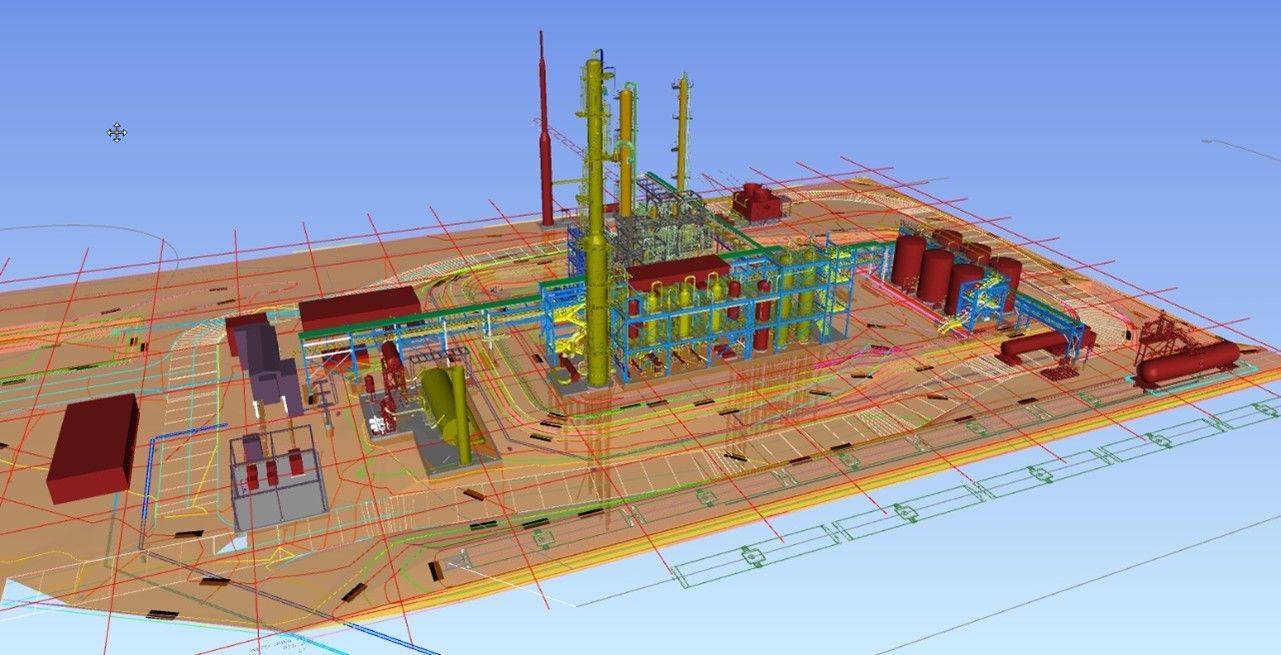
A rail terminal begins with a right-sized layout designed for efficiency. Track alignment, spacing, and access points all connect to how the facility operates day to day. An experienced team doesn’t rely on textbook spacing alone. They look at real-world movement that includes train length, switching patterns, and site constraints.
A less experienced approach might fit tracks into available space without much thought to maneuverability. That can lead to congestion during peak hours. A team with field knowledge will plan for efficient switching routes and staging areas that reduce delays.
That foresight improves flow across the entire site. It also reduces wear on equipment and cuts down on operator frustration. Over time, those benefits add up in both performance and cost control.
Operational Flow Comes from Real-World Insight
Design does not stop at track placement. It extends into how commodities move through the terminal. That includes truck access, loading zones, and storage areas. Experience helps teams understand how these elements interact under pressure.
A design that looks clean on paper can break down under heavy demand. Bottlenecks appear where trucks queue too close to rail lines or where loading areas lack space for staging. An experienced designer has seen these issues before and plans around them.
Clear separation between truck and rail traffic, logical sequencing of loading/unloading zones, and adequate space for staging and turnaround all contribute to a smoother operation. Each of these choices supports consistent flow across the site, even during periods of high demand.
Safety Improves with Proven Design Practices
Safety is a major factor in rail terminal operation. Poor layout choices can create unnecessary risk for crews and equipment. Experience plays a direct role in reducing those risks.
Teams with a strong background in industrial infrastructure understand how incidents tend to occur. They design with visibility, access, and separation in mind. That includes proper spacing between tracks, clear walkways, and controlled crossing points.
They also account for how crews actually move through a site. A design that ignores human behavior can lead to unsafe shortcuts or confusion. Experience helps bridge that gap between design intent and real-world use. The result is a facility that supports safe practices without forcing operators to work around poor layout decisions.
Equipment Integration Requires Practical Knowledge
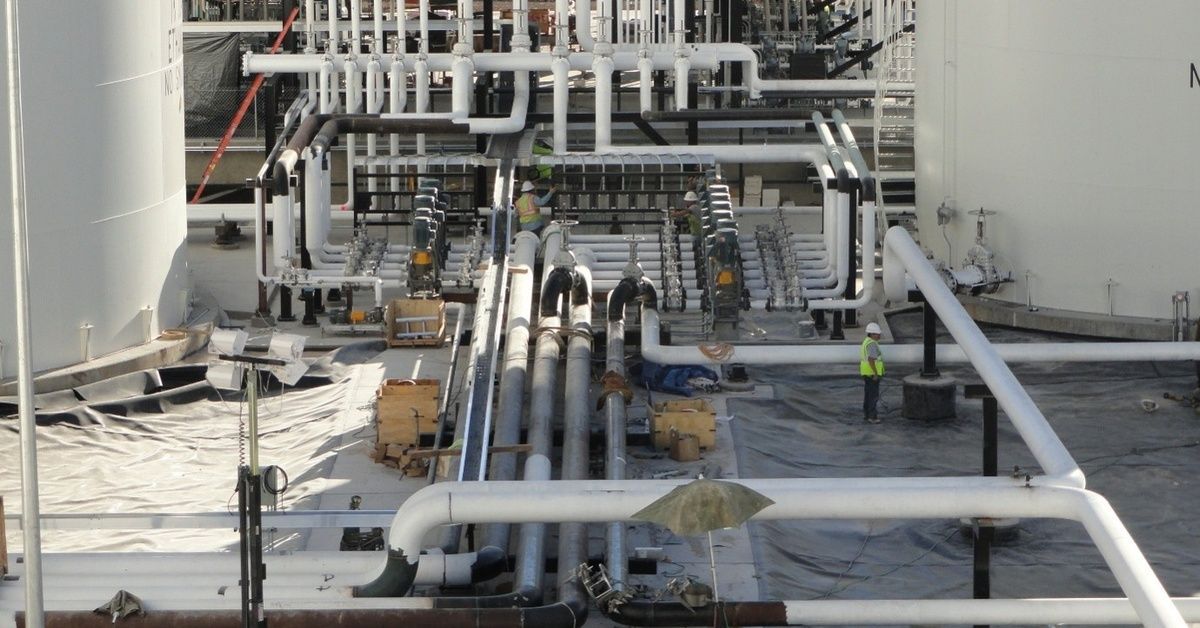
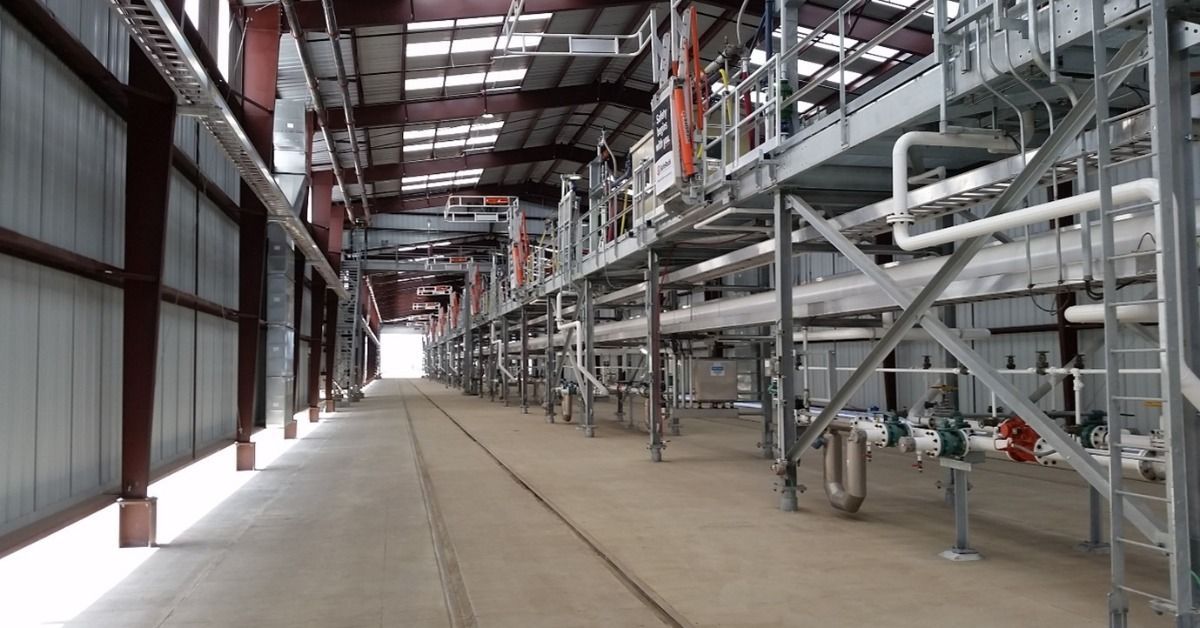
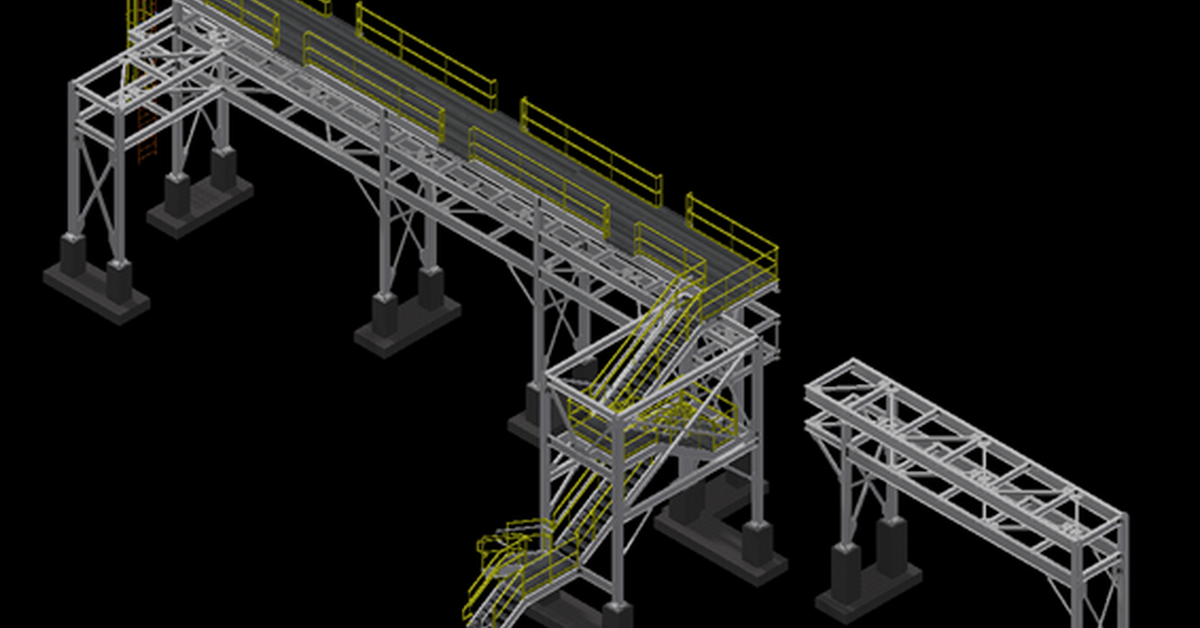
Rail terminals rely on specialized equipment. Pumps, conveyors, loading arms, racks, and control systems all need to fit into the design. Experience helps teams integrate these systems without conflict.
A less experienced approach may treat equipment as an afterthought. That can lead to cramped installations or difficult maintenance access. Those issues will slow down operations and increase downtime. Equipment performs better when it fits naturally into the design rather than being awkwardly forced into place later.
Regulatory Compliance Becomes More Predictable
Rail terminal projects must meet a range of regulatory requirements. These include environmental standards, safety codes, and industry guidelines. Experience helps teams navigate these requirements without delays.
A team that understands the approval process can anticipate what regulators expect. That reduces the risk of revisions late in the project. It also helps keep timelines on track.
Instead of reacting to compliance issues, highly experienced teams plan for them from the beginning. That proactive approach saves time and reduces uncertainty during construction.
Cost Control Benefits from Fewer Surprises
Unexpected costs can derail a project quickly. Many of those costs stem from design oversights that require changes during construction. Experience helps reduce those surprises with an accurate constructability review.
A team with a strong track record has seen where projects tend to run into trouble. They account for site conditions, material needs, and construction challenges early in the process. This leads to more accurate budgeting, and fewer change orders. The result is a project that stays closer to its original plan and avoids unnecessary financial strain.
Long-Term Performance Starts with Smart Design
Rail terminals are long-term assets where performance depends on decisions made during design. Experience helps teams think beyond initial construction and focus on how the facility will operate over time.
That includes planning for future expansion, and maintenance needs. A design that lacks flexibility can become a limitation as demand grows.
Experienced teams look at expansion potential within the site layout, durability of materials and systems, and ease of maintenance across all components. These considerations support a facility that continues to perform well in the long-term.
Why Experience Influences Terminal Design and Performance
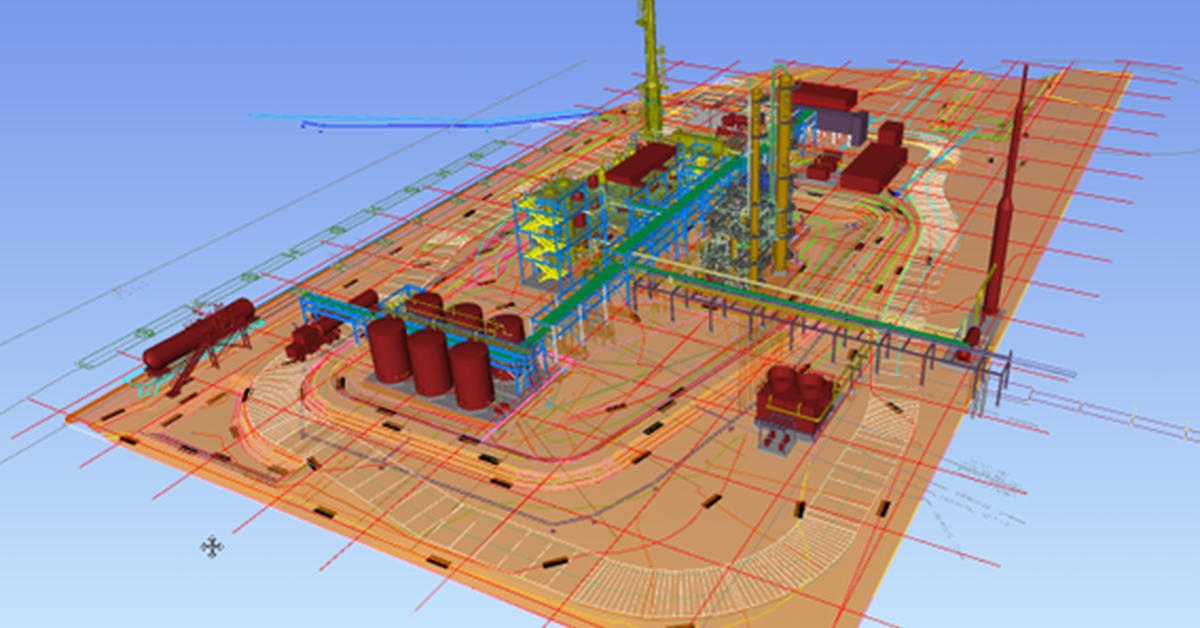
When you look at the full picture, it becomes clear how experience influences rail terminal design and performance. These factors carry so much weight because every decision, from layout to equipment placement, ties back to knowledge gained in the field. Experience brings a level of confidence that can’t come from theory alone.
It allows teams to anticipate challenges, refine designs, and deliver facilities that perform as intended. For companies that rely on rail infrastructure, that difference shows up in daily operations. It affects safety and overall efficiency in ways that matter from the start.
Final Thoughts
Rail terminal design is not just about meeting basic requirements. It’s about creating a system that supports consistent, efficient performance over time. Experience plays a central role in achieving that outcome.
From layout planning to equipment integration, each phase benefits from insight that comes from real-world projects. That knowledge helps avoid common pitfalls and supports stronger results.
If you’re planning a rail terminal or looking to improve an existing facility, it’s worth partnering with a construction engineering management team that understands the full scope of the work. A strategic approach grounded in experience can set your project on the right path from the very start.