Industrial Construction Planning: What Owners Need To Know
Large-scale construction projects don’t succeed by chance. Strong planning shapes every phase, from early concept through final turnover. Owners who take time to understand the process tend to see smoother timelines, tighter cost control, and fewer surprises along the way.
Industrial construction comes with a unique level of complexity – especially in the energy industry. Many projects involve specialized equipment, and all require strict safety standards, and coordination across multiple teams. Follow our comprehensive guide to learn what owners need to know about industrial construction planning and selecting the right industrial construction services .
Understanding the Scope From Day One
Every successful project begins with a defined scope; one that is right-sized for maximum efficiency and profit. Owners need a clear picture of what the finished facility must accomplish. That includes capacity, layout, operational flow, and long-term performance goals.
A vague scope can lead to constant revisions. Each adjustment adds cost and pushes schedules further out. Early alignment between stakeholders keeps the project grounded and reduces confusion later.
It helps to document priorities in plain terms. A terminal expansion may focus on throughput, safety systems, and integration with existing infrastructure. Those priorities guide design decisions and shape the entire build.
Aligning Budget With Real-World Conditions
Budget conversations should reflect current market conditions, not just rough estimates. Material costs, labor availability, and logistics all influence final numbers. Owners who rely on outdated assumptions may face unexpected increases once construction begins.
A realistic budget accounts for material pricing based on recent data and labor rates tied to regional conditions. It also includes contingency funds to cover unforeseen issues along with costs tied to specialized equipment and fabrication. This level of detail gives owners a clearer picture of total investment before work begins. Transparent discussions at this stage help prevent tension later. When all parties understand financial parameters, decision-making becomes more efficient.
Scheduling With Purpose
Developing a project timeline involves more than setting deadlines. It acts as a roadmap for coordination across teams, vendors, and contractors. Strong schedules account for sequencing, site conditions, and delivery timelines.
Equipment fabrication and delivery may dictate when certain construction phases can begin. If that timeline slips, the entire schedule may need adjustment. Industrial construction planning from the very beginning reduces the chance of idle crews or rushed work.
Owners benefit from reviewing milestone-based schedules. These highlight major phases and allow for easier progress tracking. Clear checkpoints also help maintain accountability across all parties.
The Role of Engineering in Planning
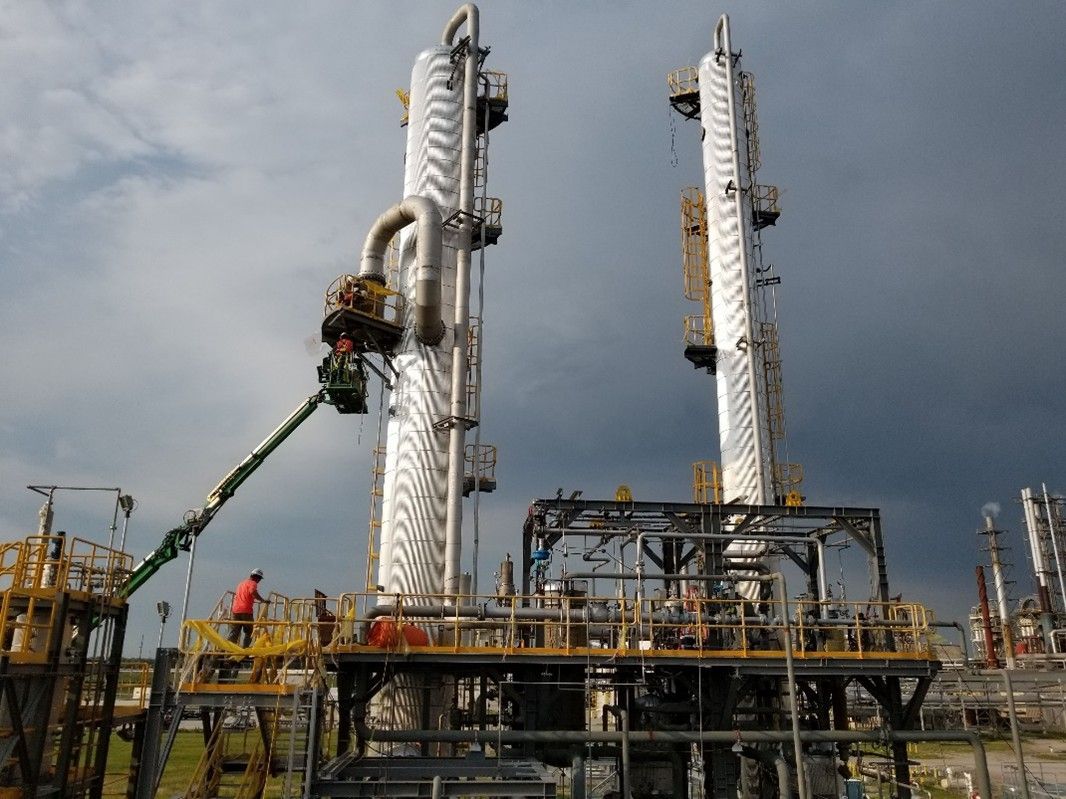
Engineering plays a central role in industrial construction. Design decisions affect cost and long-term maintenance. Early collaboration between engineers and construction teams leads to better outcomes. Integrated planning allows teams to identify potential conflicts before they reach the job site.
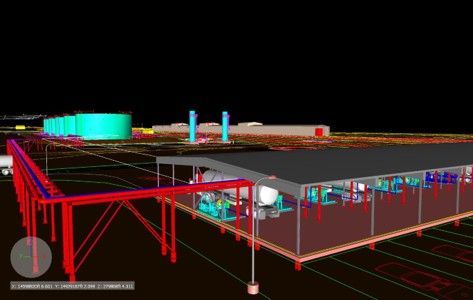
For example, pipe routing or equipment placement may require adjustments once real-world constraints come into play. Addressing those details early avoids rework later. This approach also supports constructability. Designs that consider installation methods reduce delays and improve efficiency once work begins.
Procurement Strategy Matters
Material and equipment procurement can shape the entire project timeline. Delays in delivery can stall progress and create ripple effects across other phases. Owners benefit from working with teams that understand supply chain realities. Lead times for specialized components can stretch longer than expected, so early ordering helps secure availability and stabilize pricing.
Vendor coordination and tracking also play a role in keeping everything accurately aligned with construction phases. A thoughtful procurement plan connects delivery timelines with on-site work. It also includes backup options for critical components, which helps reduce uncertainty and keeps progress steady.
Site Preparation Sets the Tone
The job site itself can present challenges that influence the entire build. Soil conditions, access routes, and environmental factors all play a role. Proper site evaluation allows teams to plan for these variables.
For example, a site with limited access may require staged deliveries or modified equipment use. Addressing these factors early avoids frustrating last-minute adjustments. Preparation also includes safety planning. Industrial environments demand strict protocols, and those standards must be in place before work begins. A well-prepared site supports both productivity and worker safety.
Communication Drives Progress
Clear communication keeps projects moving forward. Owners, engineers, contractors, and suppliers all need access to the same information. Misalignment can lead to delays, cost overruns, or rework.
Regular updates and structured reporting help maintain clarity. These include progress reports and budget tracking, all of which give stakeholders visibility into performance. Consistent communication builds trust and keeps everyone focused on shared goals. It also helps to establish a single point of contact for major decisions. This approach streamlines communication and prevents conflicting instructions from slowing progress.
Managing Risk Before It Escalates
Every construction project carries some level of risk. The goal is to identify potential issues early and develop strategies to address them. Proactive planning reduces the chance of major disruptions.
Common challenges include supply chain delays, weather impacts, labor shortages, and design conflicts. Each of these can affect timelines and budgets if left unaddressed. A structured plan outlines how teams respond to each scenario. This preparation keeps teams ready to act. When challenges arise, the response feels controlled rather than reactive, which helps maintain momentum across the project.
Quality Control From Start to Finish
Quality doesn’t appear at the end of a project. It must be built into every phase. From material selection to installation methods, each step contributes to the final result.
Owners should expect clear quality standards and inspection processes. These include testing procedures, documentation, and regular site evaluations that track progress against expectations. Consistent oversight helps maintain high standards across all work.
Leveraging Fabrication for Efficiency
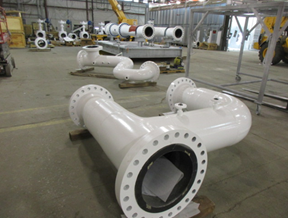
Industrial projects benefit from fabrication strategies that move work off-site. Controlled environments allow for precise construction and improved consistency. This approach can reduce on-site labor needs and shorten overall timelines.
Fabrication also supports better quality control. Teams complete assemblies in a structured setting before delivery to the job site, which allows for more accurate work. Once components arrive, installation becomes more efficient and predictable. For owners, this translates to faster progress and fewer disruptions during construction. This is a direct result of industrial construction planning from day one.
Final Coordination and Project Closeout
As construction nears completion, coordination becomes even more critical. Systems must be tested, documentation finalized, and operations prepared for transition. A structured closeout process keeps everything organized.
This phase includes system testing and validation, final inspections, documentation handover, and training for operational teams. Each step supports a smooth transition from construction to full operation. When these elements align, the project wraps up with fewer complications. Now that you know what owners need to know about industrial construction planning, start working with the right experts on your design today.