
How FEED Improves Project Planning and Outcomes
Large industrial projects can get complicated fast. Owners have budgets to protect, schedules to meet, technical requirements to define, and numerous decisions to settle before construction can start. Front-end engineering design, or FEED, gives project teams a structured way to address those details before crews arrive on site.
A strong FEED phase can turn an early concept into a much clearer project plan. That’s the central idea behind how FEED improves project planning and outcomes. With more definition at the front end, business owners can approach later project phases with better information and fewer unresolved details. Find out how you can start successfully using the FEED technique immediately
What Is Front-End Engineering Design?
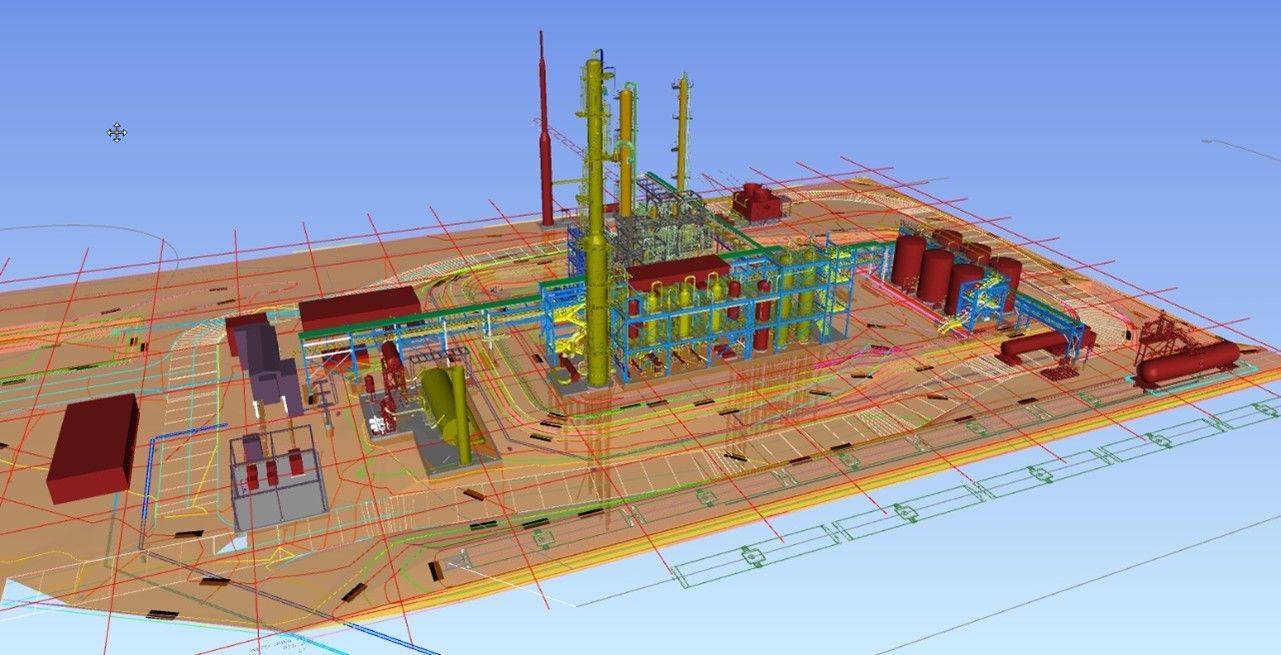
FEED takes place after initial project concepts take shape but before detailed engineering, procurement, and construction move ahead. During this phase, the project team develops the technical scope and examines factors that could affect cost, schedule, constructability, and execution. The exact scope of FEED depends on the project. A terminal expansion may require site layouts, equipment requirements, process data, utility needs, piping concepts, and preliminary specifications.
A new facility may call for an even broader review because the team has fewer existing conditions to use as a baseline. FEED creates a bridge between an idea and a project that’s ready for detailed execution. Rather than rush from a broad concept into major commitments, the owner gets a chance to define what the project actually requires.

FEED Creates a More Defined Project Scope
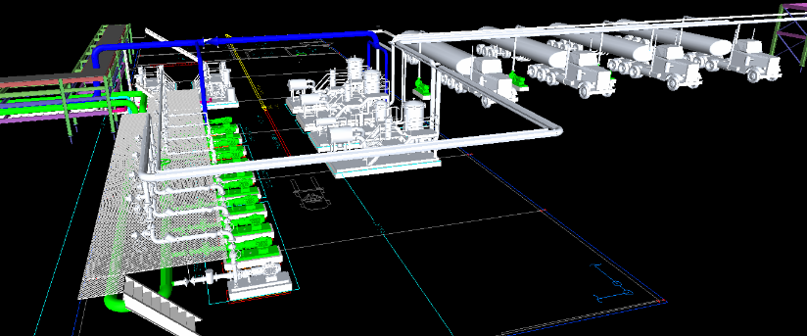
Scope gaps can cause trouble later in a project. A detail that seems minor during early discussions may affect equipment, materials, labor, or site access once construction starts. FEED gives the team time to identify those details before they become field issues. During FEED, engineers can document project objectives, process requirements, equipment needs, site conditions, and other technical criteria. This work gives each project participant a clearer picture of what sits inside the scope.
That clarity also supports communication between owners, engineers, fabricators, and contractors. Each group can refer to a more developed set of project requirements instead of assumptions or broad concepts. As a result, conversations can focus on defined needs and practical solutions.
Better Definition Supports More Reliable Cost Estimates
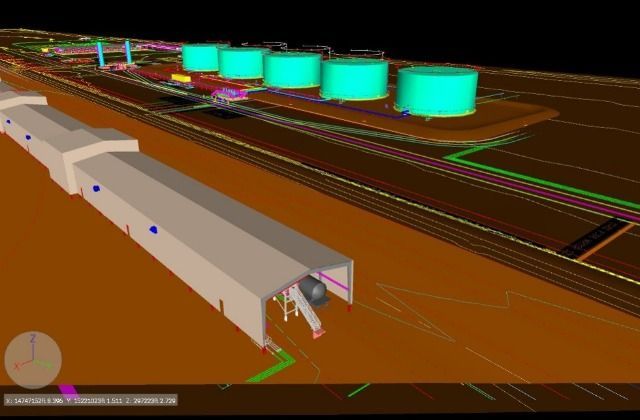
Early cost estimates can only reflect the information available at the time. If the project has dozens of unresolved details, the estimate may depend heavily on assumptions. FEED adds technical definition that can support a more informed view of expected project costs. For example, a broad project concept may call for new process equipment and associated piping. FEED can provide more detail on equipment capacity, piping requirements, layout, structural needs, and utility demands. Those details give estimators more substance to work from.
This doesn’t remove every possible cost change. Industrial projects can still face market shifts, site discoveries, scope revisions, and other variables. FEED does give the owner a stronger basis for budget decisions before major capital commitments occur.
Project Schedules Benefit From Early Technical Work
A project schedule involves much more than selecting a construction start date. Equipment lead times, engineering milestones, permits, fabrication needs, site preparation, material availability, and construction sequences can all affect the timeline. FEED helps the project team identify these schedule factors early. If a major piece of equipment requires a long lead time, that information can influence procurement plans. If construction depends on a shutdown window or another site constraint, the team can account for that requirement in the overall plan.
This early visibility can also expose schedule conflicts before they reach the field. The team has more time to adjust sequencing, evaluate alternatives, and coordinate resources. Those decisions become much harder once labor, equipment, and materials have already arrived at the site.
FEED Helps Identify Project Risks Earlier
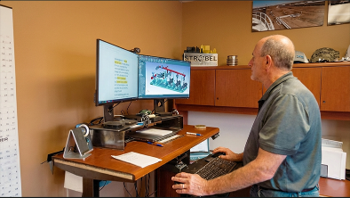
Knowing how FEED improves project planning and outcomes is critical because every industrial project carries risk. Site conditions, process requirements, existing infrastructure, equipment interfaces, access limitations, and safety considerations can all affect execution. FEED provides an opportunity to examine these areas before construction begins. Engineers can review available information, document constraints, and highlight areas that need more attention. Project leaders can then decide how to address those concerns through design, procurement, scheduling, or construction plans.
Consider a brownfield project at an active facility. Existing operations may limit where crews can work, when tie-ins can occur, or how equipment can reach the work area. Recognition of those constraints during FEED gives the project team more time to develop a practical path forward.
Constructability Can Influence Design Earlier
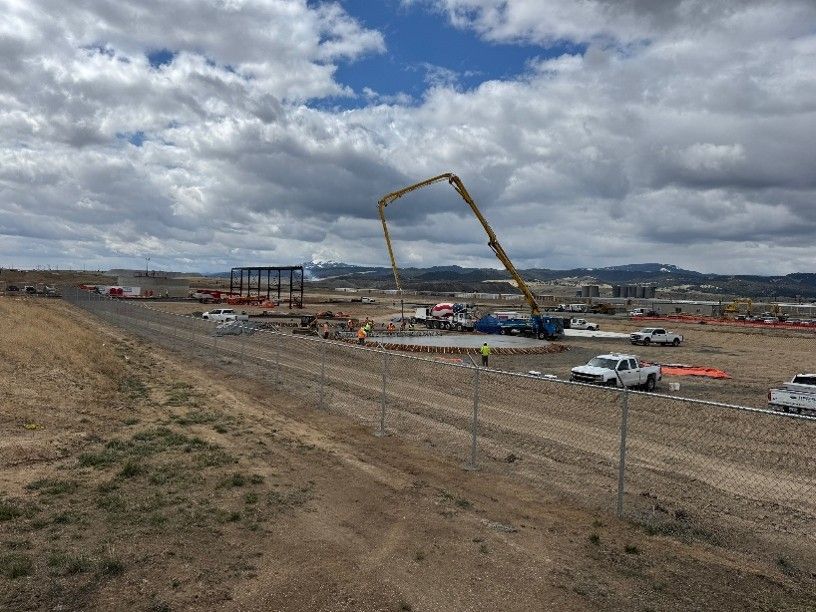
A design may work on paper but create unnecessary difficulty in the field. Limited access, tight work areas, heavy lifts, complex tie-ins, or impractical installation sequences can add pressure to a project. Constructability input during FEED can help connect engineering decisions with field realities. The project team can review layouts and concepts with actual construction needs in mind. This can lead to adjustments before detailed design advances too far.
For instance, equipment placement may affect crane access or future maintenance. Piping routes may affect installation sequences and access to existing systems. Early review allows the team to consider those relationships before the design becomes harder or more expensive to revise.
FEED Gives Procurement a Stronger Starting Point
Procurement depends on accurate technical information. Vendors need specifications, quantities, performance criteria, and other project details before they can provide useful proposals or manufacture equipment for the intended application. FEED helps establish those requirements. With better technical definition, project teams can identify major equipment packages, potential long-lead items, material needs, and procurement priorities earlier in the process.
That information can support more realistic procurement schedules as well. Rather than discovering a long equipment lead time late in detailed design, the team may identify it during FEED and account for it in the project plan. Procurement then becomes part of the overall execution strategy rather than a separate task that enters the conversation too late.
Better Upfront Decisions Support Better Project Outcomes
FEED doesn’t eliminate uncertainty from industrial construction. No planning phase can predict every field condition or future change. Its value comes from reducing avoidable uncertainty through better project definition and earlier technical decisions.
Owners can use FEED information to evaluate scope, budget, schedule, risk, procurement needs, and construction plans before the project reaches its most resource-intensive phases. Engineers and contractors also gain a clearer foundation for the work ahead. That foundation can support smoother transitions from concept to detailed design and from engineering to field execution. Instead of asking the construction team to resolve basic scope questions on site, the project can arrive with more of those decisions already addressed.
Improving Project Planning and Outcomes From the Start
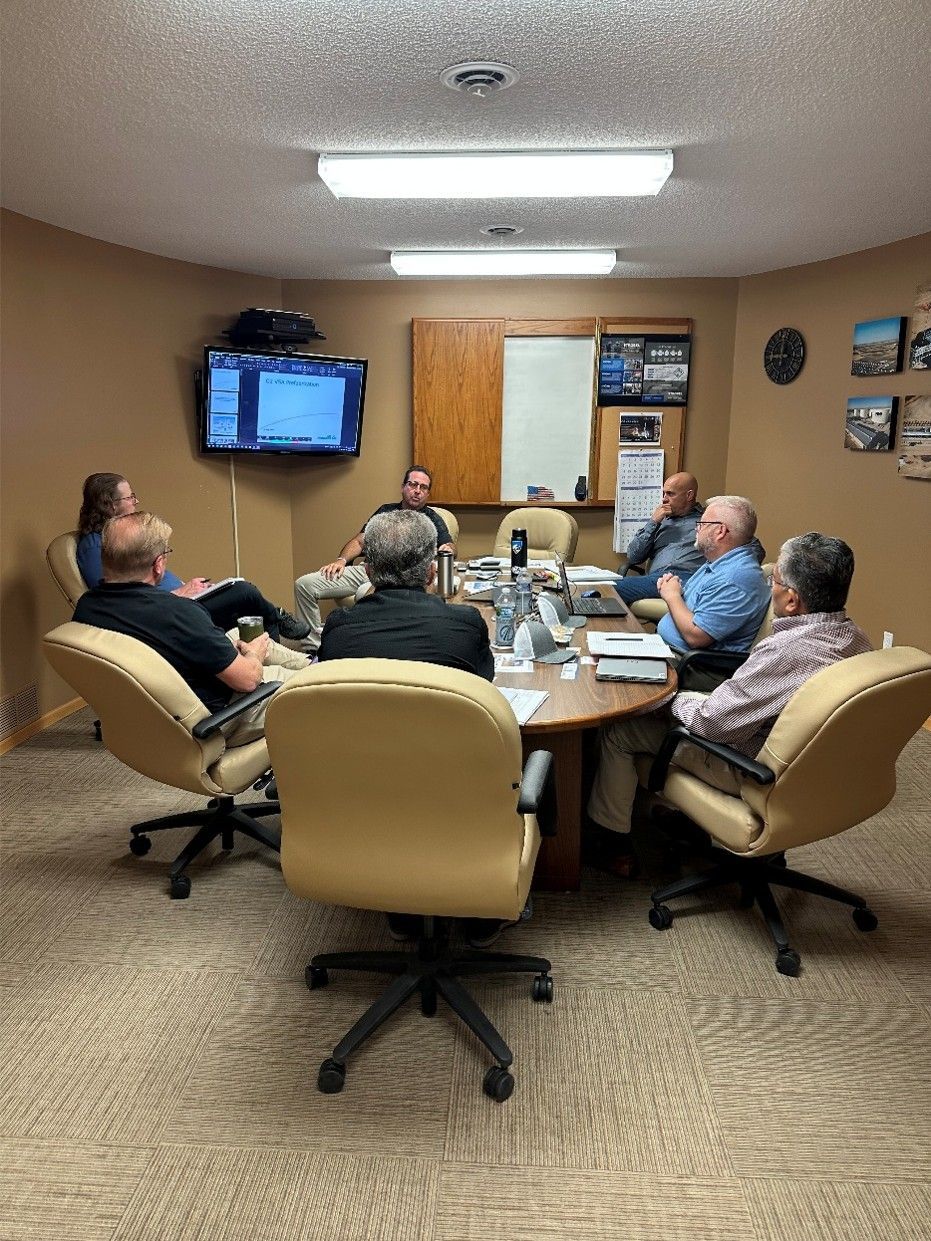
The best time to address a project challenge is usually before it reaches the field. FEED gives owners and project teams a practical opportunity to define requirements and prepare for project execution with more useful information. For industrial infrastructure projects, that preparation can support better coordination across engineering, procurement, fabrication, and construction. It also gives project leaders a clearer basis for decisions as the work advances from concept toward completion. Reach out to reliable experts for construction engineering management so you can find successful ways to implement FEED and leverage it on-site.