How To Build Efficient Multimodal Terminals
Large infrastructure projects leave very little room for guesswork. Every decision, from site selection to equipment layout, shapes long-term performance. Use the guide below to learn how to build efficient multimodal terminals for your operation today.
Start With a Clear Understanding of Material Flow
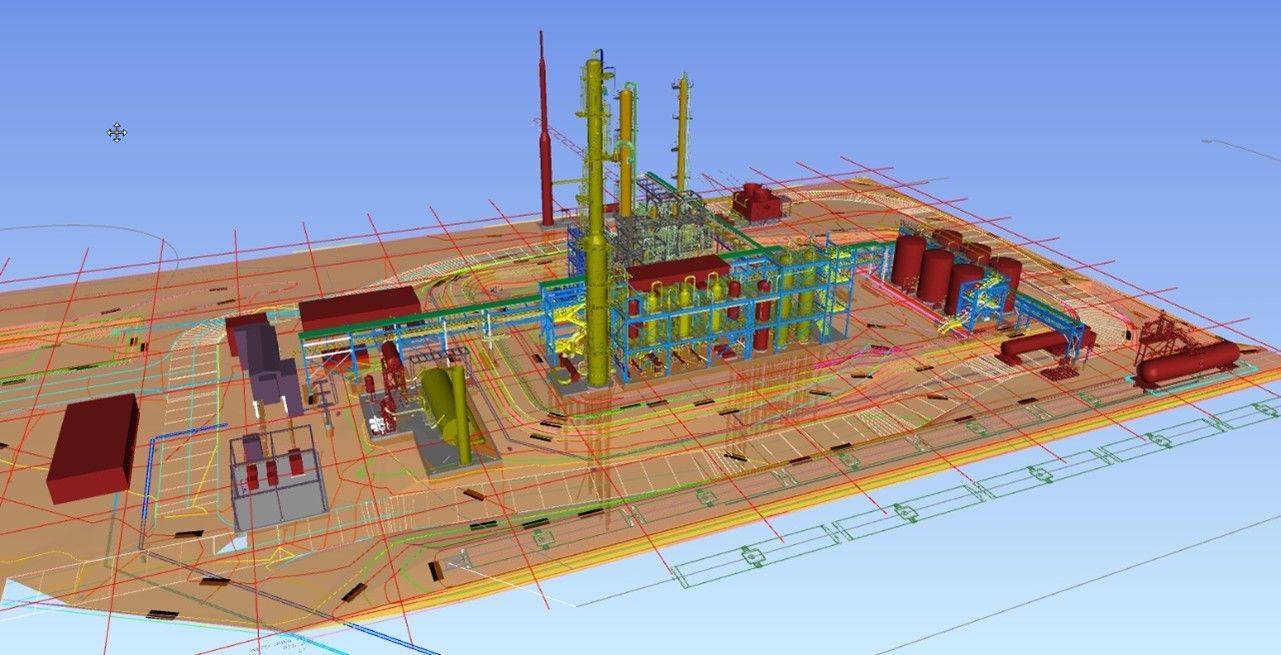
Every successful terminal begins with one goal: move products from one transportation method to another without unnecessary delays. That sounds straightforward, but every project brings unique challenges. Product types, shipment volumes, storage capacity, and transportation schedules all influence the layout.
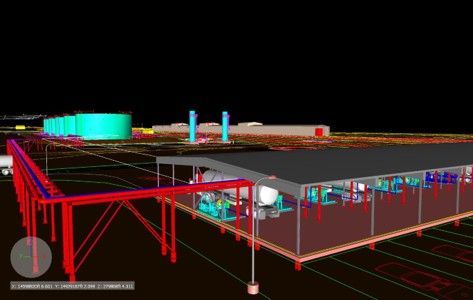
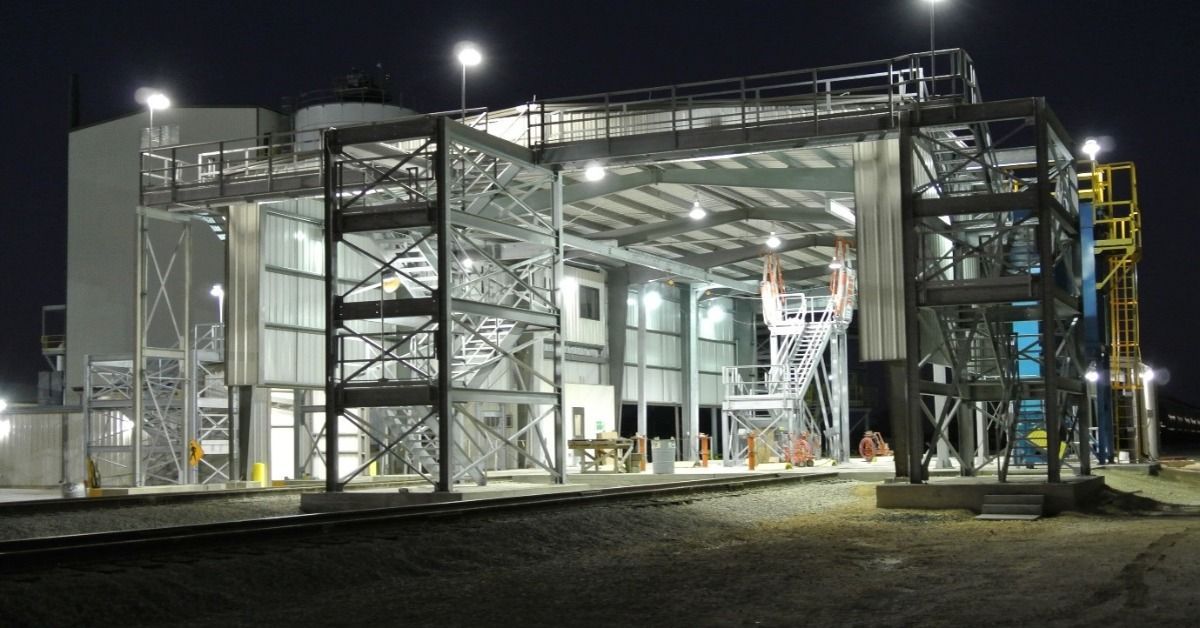
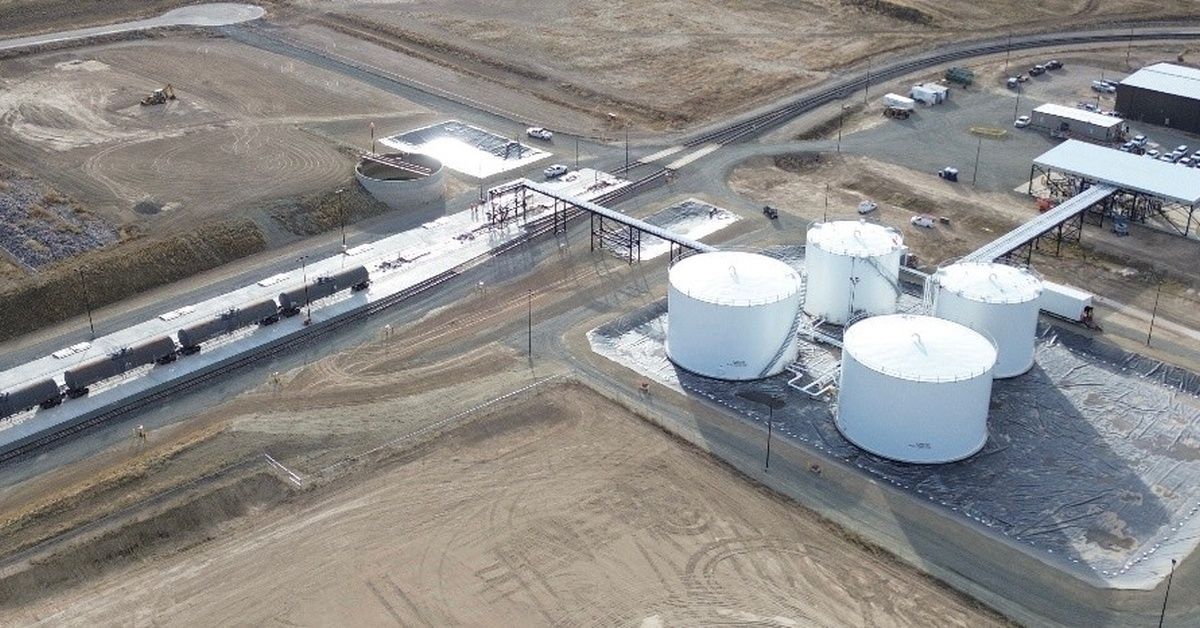
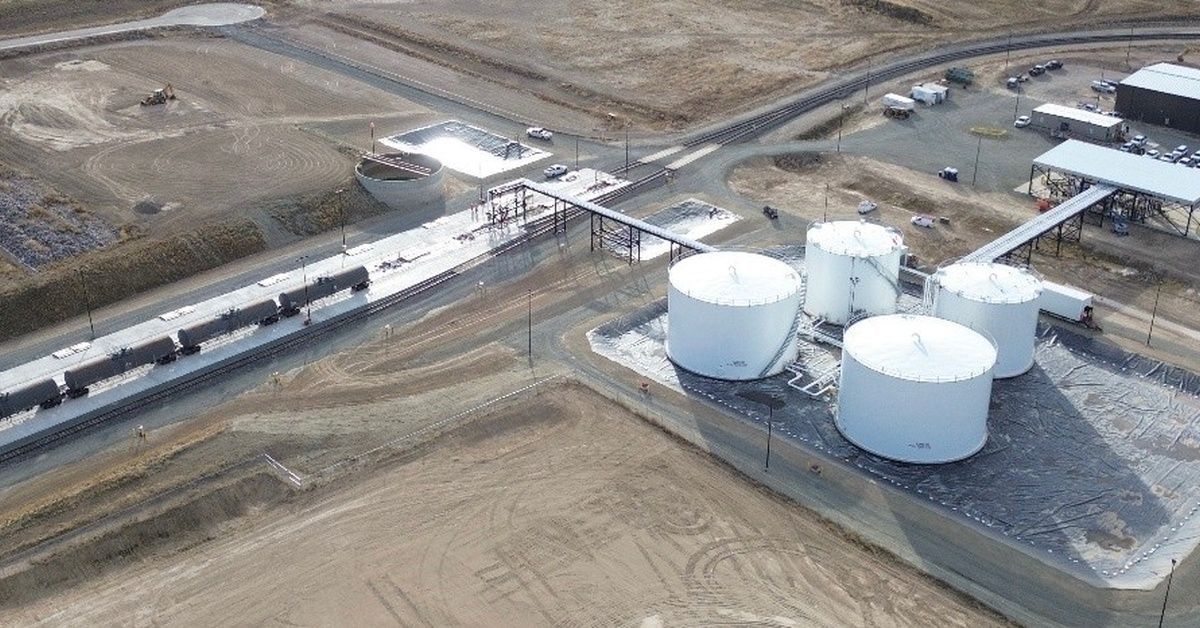
Picture a crude oil terminal that receives unit trains before product transfers into storage tanks and pipelines. Rail unloading areas must support consistent traffic without creating bottlenecks. Trucks also need safe access routes that don't interfere with rail activity. A thoughtful design keeps every movement organized instead of forcing operators to work around avoidable obstacles. Early planning also creates opportunities for future expansion. A terminal built with additional capacity in mind can adapt when customer demand grows instead of requiring a complete redesign several years later.
Choose the Right Location
Location affects nearly every part of terminal performance. Rail access, nearby highways, pipeline connections, utility availability, and environmental conditions all deserve careful evaluation before construction begins. A location may appear attractive because land costs might be low. That advantage disappears quickly if new utility infrastructure, extended pipeline routes, or lengthy rail connections become necessary.
Looking at the entire project instead of one expense creates a more accurate picture of long-term value. Local regulations also deserve close attention. Permitting requirements vary from region to region, and approval timelines can influence project schedules. Early coordination with regulatory agencies reduces surprises later in the process.
Design Around Equipment Efficiency
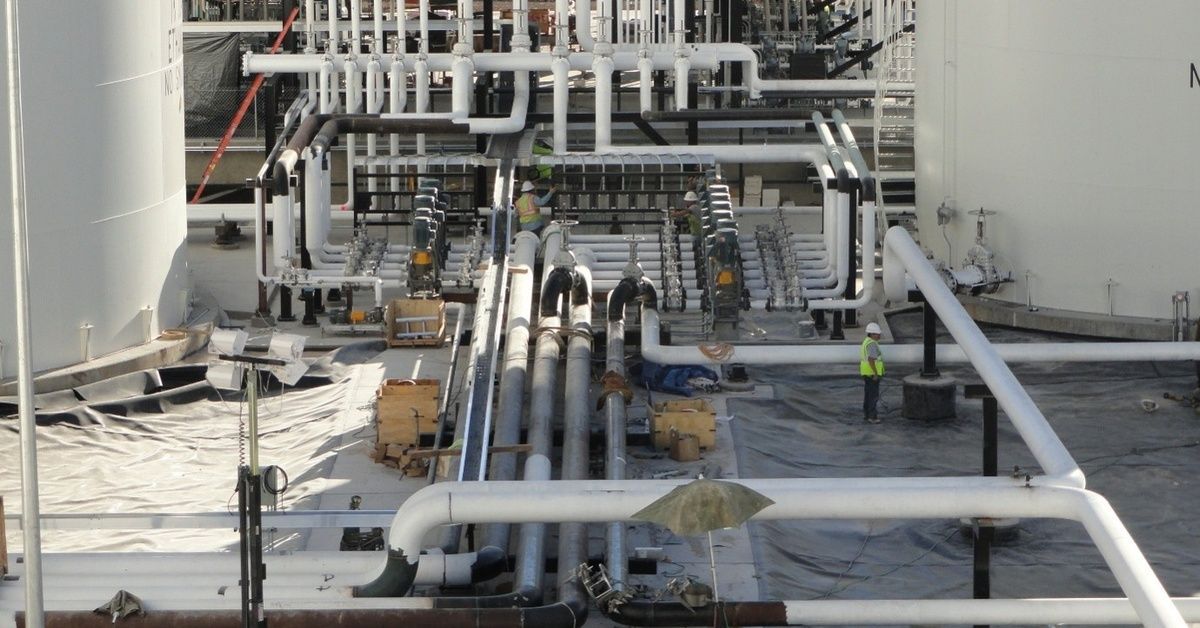
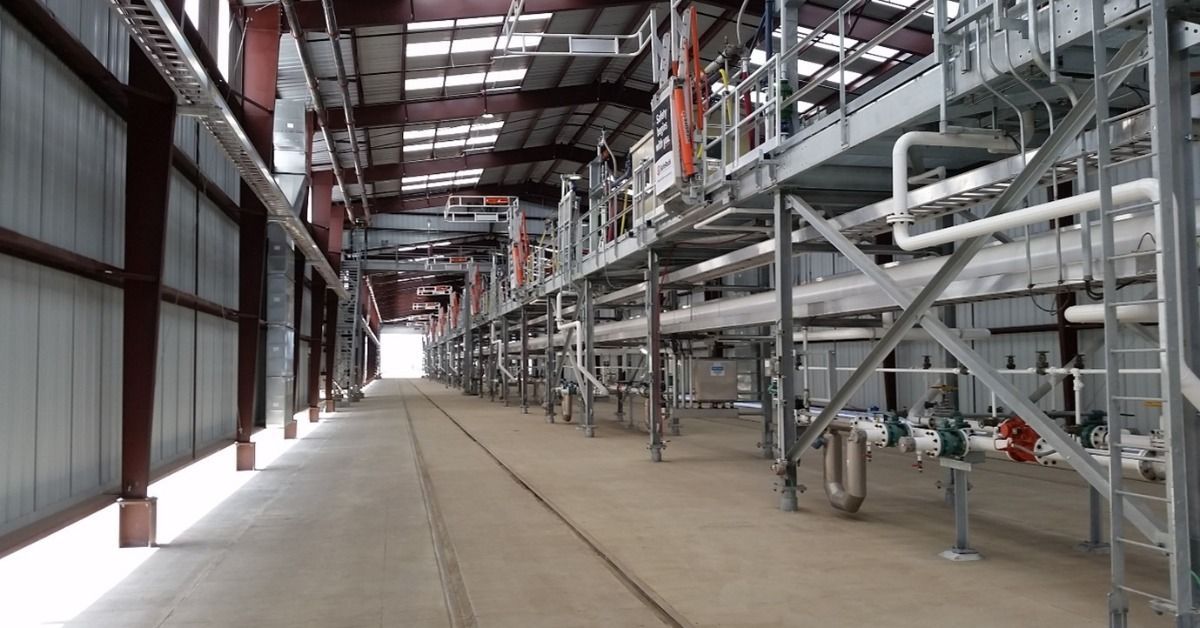
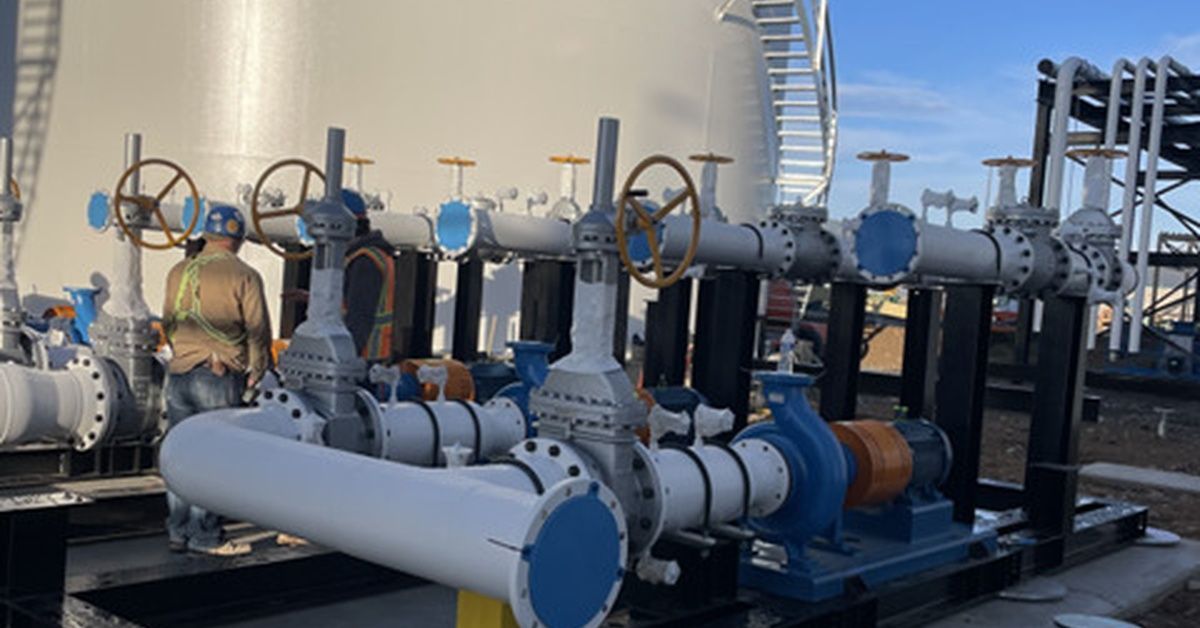
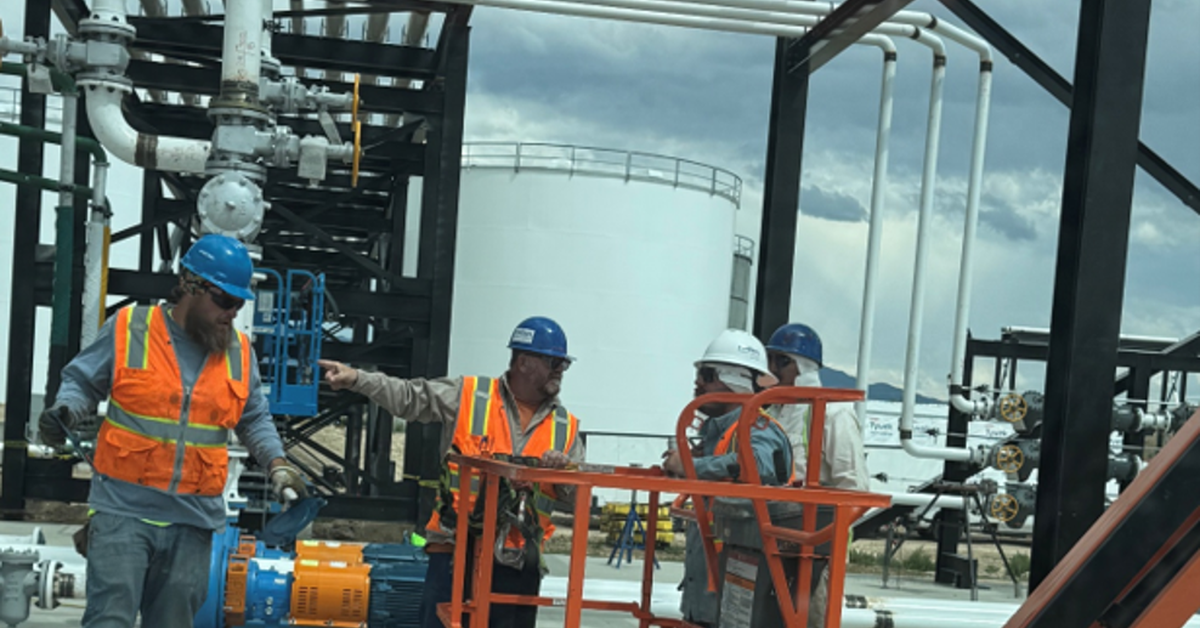
Equipment selection deserves as much attention as the site itself. Pumps, loading racks, conveyors, storage systems, valves, and control systems all contribute to daily productivity. The goal isn't to purchase the largest equipment available. Every component should match expected operating conditions. Oversized equipment may increase construction costs without providing meaningful operational benefits.
Plus, operators should have safe access for inspection and maintenance. Maintenance crews benefit from layouts that allow repairs without disrupting unrelated terminal operations. These details save time throughout the facility's lifespan.
Create Traffic Patterns That Reduce Delays
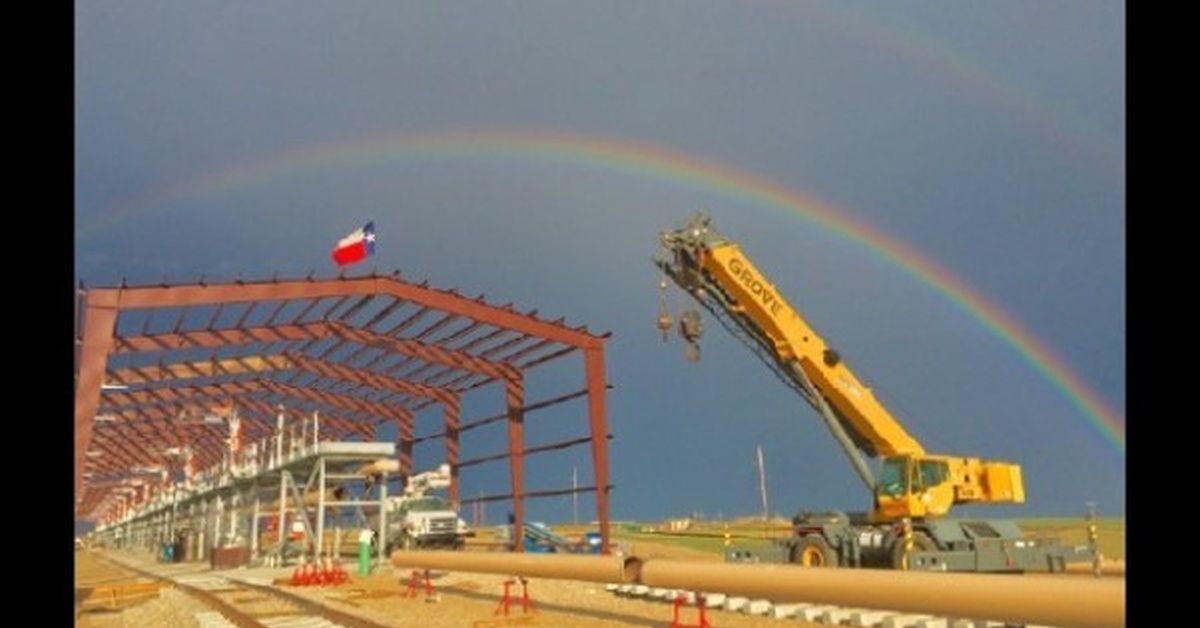
Knowing how to build efficient multimodal terminals requires focusing on traffic patterns. Busy terminals rely on constant movement. Railcars arrive, trucks enter and exit, maintenance vehicles travel throughout the property, and personnel move between operating areas.
Poor traffic design creates congestion long before production reaches full capacity. Successful layouts separate different traffic types whenever practical. Trucks should have dedicated entrance and exit routes.
Employee parking should remain outside primary operating areas. Emergency vehicles also require clear access throughout the facility. Internal roads deserve attention during this phase. Wide turning radiuses, logical intersections, and adequate staging areas help traffic move smoothly instead of creating unnecessary backups during busy periods.
Plan Storage With Operational Flexibility
One of the most important steps to remember when learning how to build efficient multimodal terminals is to plan flexible storage. Storage capacity supports far more than inventory management. Tank farms, warehouses, and material storage areas provide flexibility during transportation delays, maintenance work, and seasonal demand changes.
An effective storage plan balances current production with future needs. Too little storage limits operations. Excess capacity increases construction costs and occupies valuable property.
Product segregation also plays a role. Different commodities may require dedicated storage areas based on customer requirements or regulatory standards. Proper layout reduces product handling and limits unnecessary transfers throughout the facility.
Coordinate Engineering and Construction Early
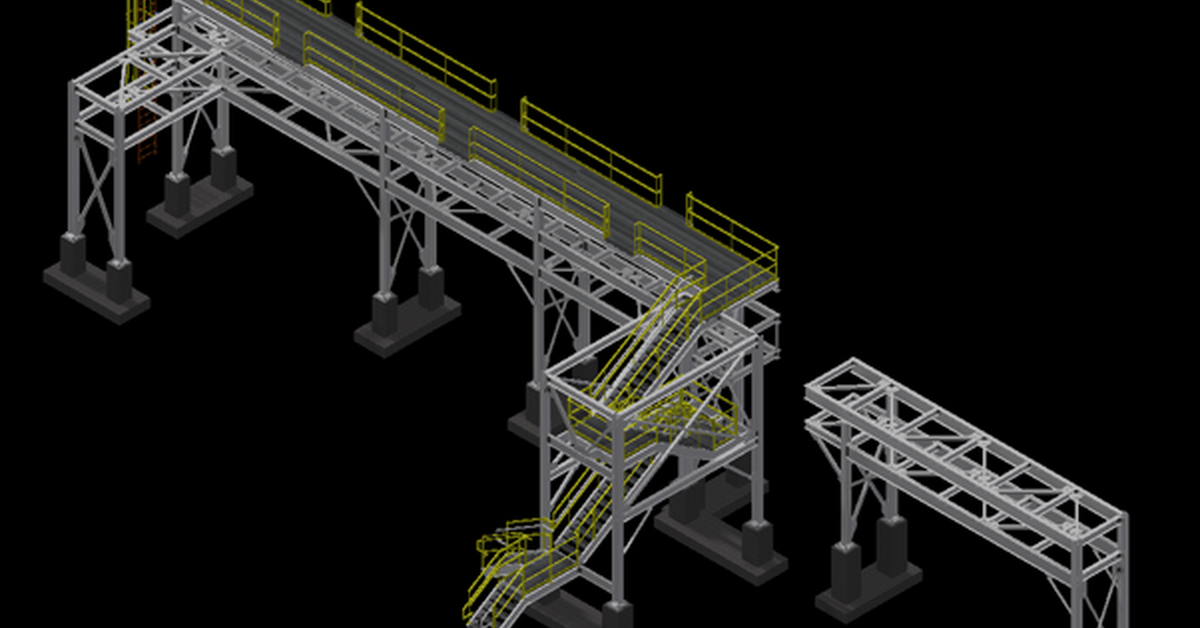
One of the largest advantages during industrial projects comes from early collaboration between engineering and construction teams. Design decisions become more practical when construction professionals contribute throughout project development. This is where an experienced rail EPC company really brings value.
For example, equipment layouts may appear efficient on paper yet create installation challenges in the field. Early reviews identify those conflicts before construction begins. That approach reduces redesign efforts, schedule disruptions, and costly field modifications. Procurement also benefits from early coordination. Long-lead equipment can enter the purchasing process sooner, reducing schedule risks later in the project.
Focus on Reliability Instead of Maximum Capacity
It may sound tempting to design every system around peak production. Real-world operations rarely operate at maximum output every hour of every day. Reliable systems deliver greater value over time than oversized facilities that experience frequent downtime.
Balanced designs allow operators to maintain steady production with fewer interruptions. Redundancy also deserves consideration for critical equipment. Backup pumps, duplicate control systems, or alternate utility connections may reduce production losses during maintenance or unexpected equipment failures. Reliability becomes even more valuable as facilities age. Equipment replacement schedules become easier to manage when operations can continue through planned maintenance activities.
Build Safety Into Every Decision
Safety should never become an afterthought during terminal development. Facility layouts, equipment spacing, emergency access, and operating procedures all contribute to daily performance. Clear pedestrian pathways separate personnel from heavy equipment traffic. Proper lighting improves visibility during nighttime operations. Emergency shutdown systems remain accessible without creating unnecessary exposure to hazardous areas.
Fire protection systems also deserve careful planning. Water supply, suppression equipment, containment areas, and emergency response access all support safer operations throughout the terminal.
Invest in Strong Project Coordination
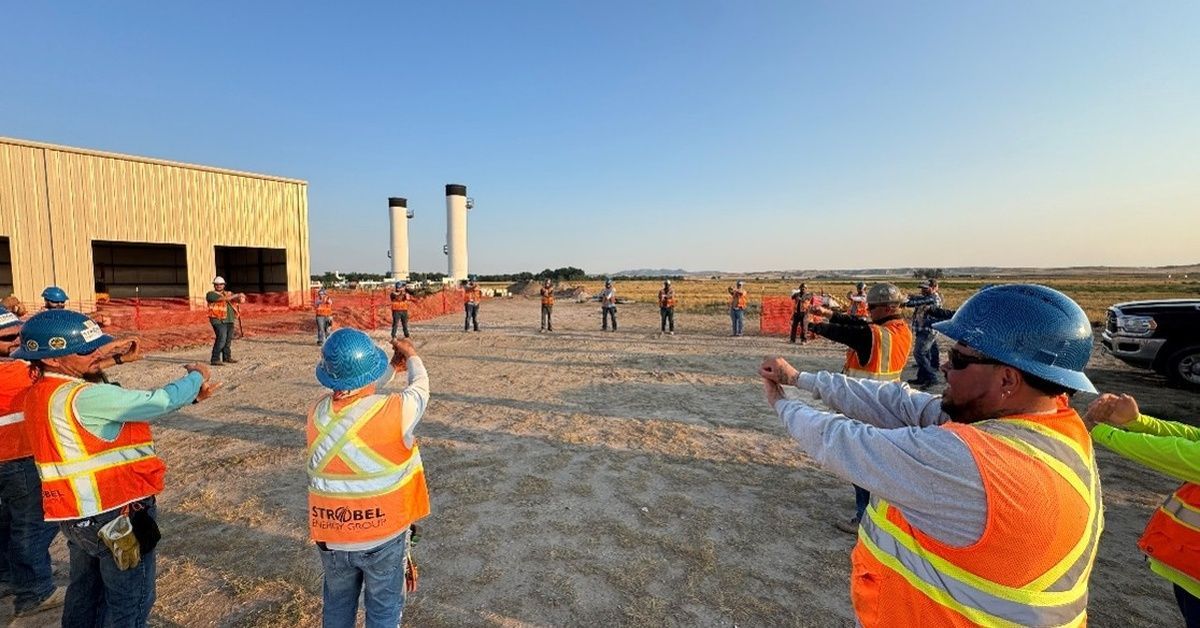
Large terminal projects involve engineers, contractors, suppliers, fabricators, inspectors, owners, and regulatory agencies. Clear communication keeps every group moving toward the same objective. Regular coordination meetings allow teams to address concerns before they affect schedules. Shared project schedules help everyone understand upcoming milestones.
Clear documentation reduces confusion throughout construction. Integrated project delivery also supports smoother transitions from construction into operations. Facility personnel become familiar with systems before startup begins, reducing the learning curve after project completion. Work directly with terminal operation services before starting your build.
Start Building Now
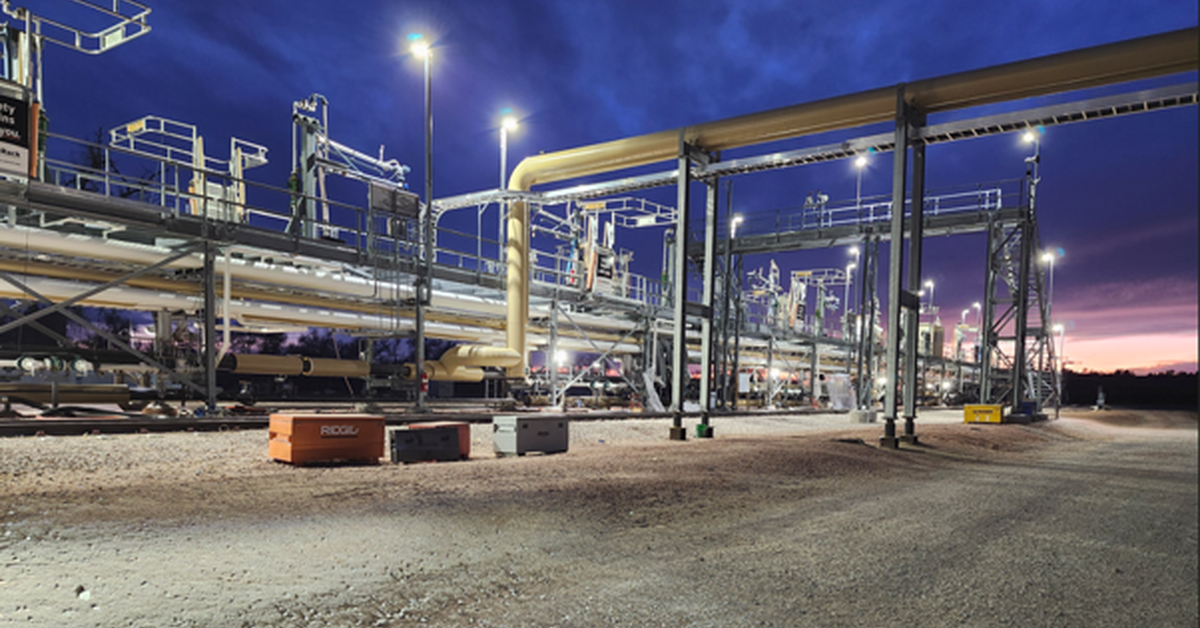
The most successful terminals don't rely on one outstanding feature. Strong performance comes from thoughtful planning, practical engineering, reliable construction, organized traffic flow, durable equipment, and layouts that support decades of operation. Every design choice contributes to a facility that operates smoothly long after construction crews leave the site.
Organizations that invest time during the planning phase and bring in an EPC with significant rail experience, place themselves in a stronger position for long-term performance. Careful coordination today helps avoid costly corrections tomorrow and creates a terminal built for reliable service across changing market demands. If your team is planning a new terminal or expansion project, take time to consult with an experienced team and evaluate every stage with long-term operation in mind before construction begins.