
How Industrial Contractors Manage Complex Projects
Large industrial construction projects come with a long list of moving parts. Tight schedules, multiple crews, specialized equipment, regulatory demands, and changing site conditions all compete for attention from day one. Success depends on far more than skilled labor alone. Our guide below breaks down how industrial contractors manage complex projects so you can develop and implement a construction strategy that really works.
Every Successful Project Needs Thorough Planning
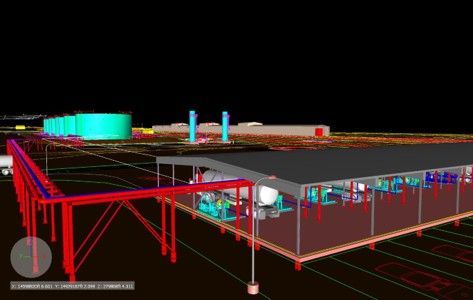
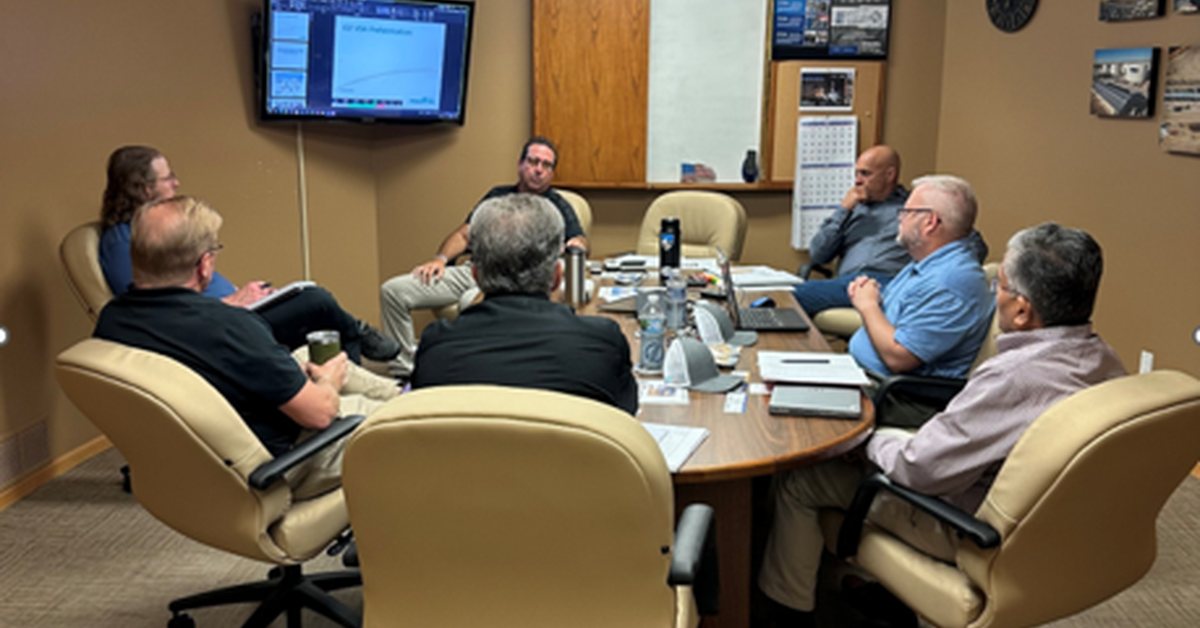
Complex industrial projects don't begin when equipment arrives on-site. They begin months earlier with careful planning that lays the foundation for every stage ahead. Successful contractors spend considerable time reviewing project goals, engineering documents, site conditions, budgets, and timelines before field work begins.
During this early phase, teams identify possible challenges long before they become expensive setbacks. Utility conflicts, equipment access, material availability, and permitting requirements all receive attention early in the process. A detailed roadmap gives everyone a shared direction and reduces confusion later.
Planning also creates realistic expectations for owners and project stakeholders. Instead of relying on rough estimates, experienced contractors develop schedules built around actual construction activities. Every milestone connects to the next, giving the entire team a better view of the project from beginning to end.
Communication Keeps Every Team Aligned
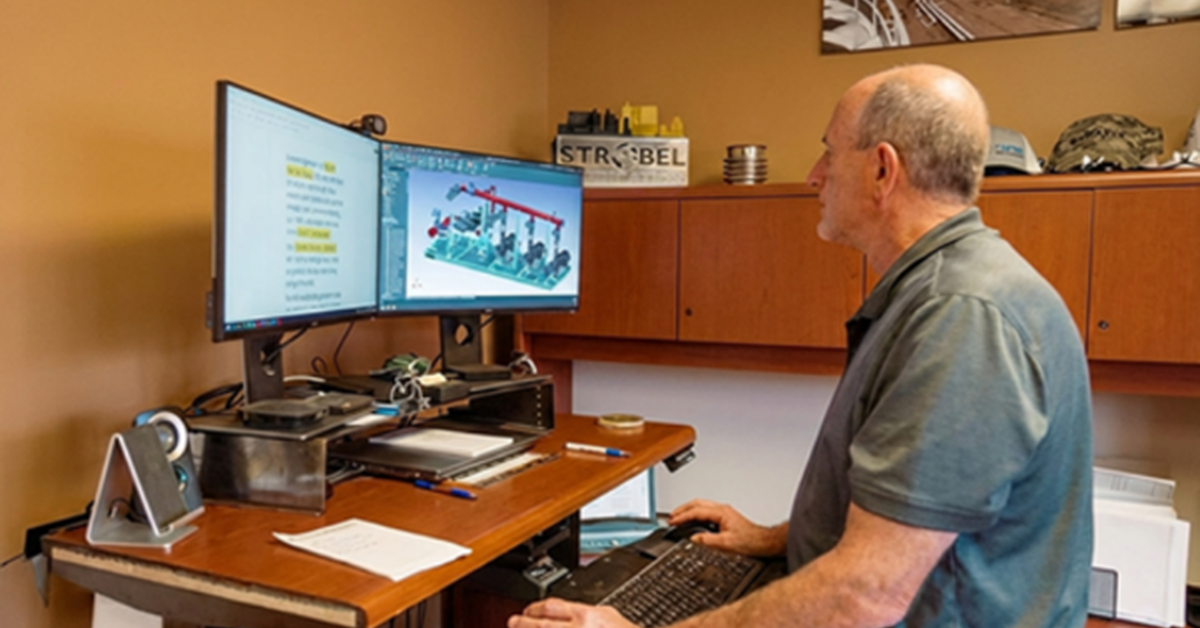
Industrial construction involves dozens of people with different responsibilities. Engineers, project managers, field supervisors, subcontractors, fabricators, suppliers, and owners all contribute throughout the project lifecycle. Strong communication keeps every group focused on the same objectives.
Regular project meetings provide updates on completed work, upcoming tasks, material deliveries, and schedule adjustments. Instead of waiting until problems grow larger, contractors address concerns as they appear. Small conversations today prevent much larger issues later.
Project management software & proven processes also play a major role. Shared schedules, document control systems, and progress reports allow everyone to access current information without relying on outdated paperwork. That level of visibility reduces misunderstandings and helps every department stay coordinated.
Experienced Project Managers Connect Every Piece
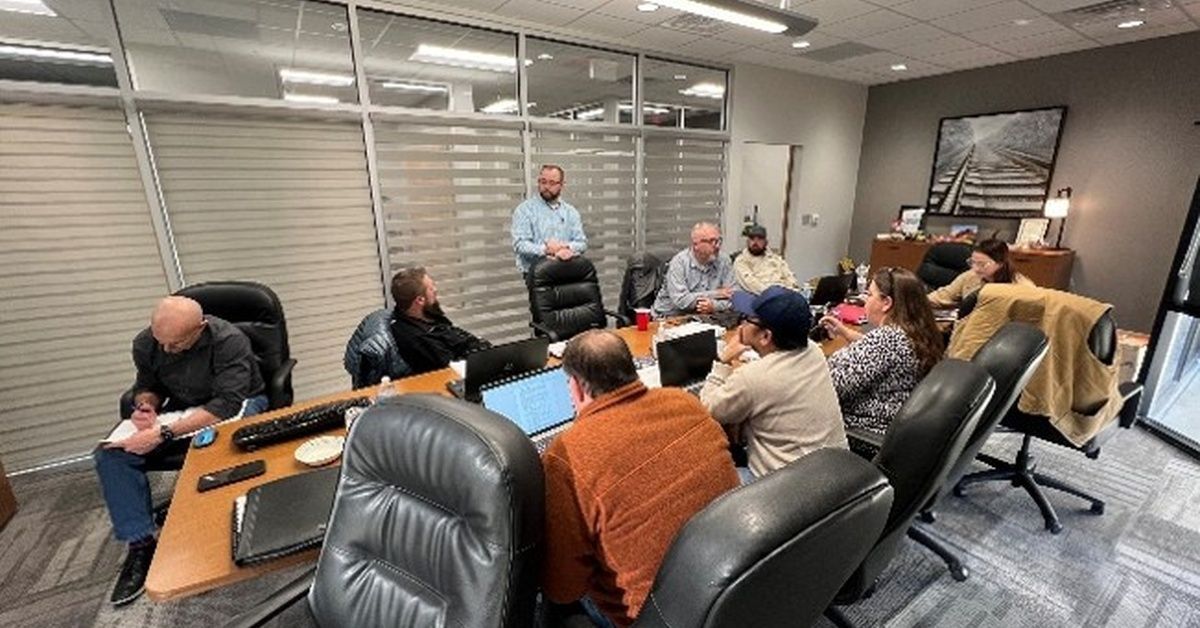
Behind every successful industrial project stands an experienced project manager. This person acts as the central point of coordination throughout construction. Their job reaches far beyond scheduling crews.
Project managers oversee budgets, coordinate vendors, review engineering updates, monitor construction progress, approve material deliveries, and communicate with clients throughout the project. Every decision supports the larger project goals.
For example, if specialized equipment arrives later than expected, the project manager may reorganize work sequences, so other crews continue productive work. Instead of allowing delays to spread across the schedule, adjustments keep the project moving.
Detailed Scheduling Helps Control Complexity
Industrial construction follows a carefully planned sequence. Many activities depend on others before work can move forward. Structural steel must reach completion before equipment installation begins. Underground utilities usually come before concrete placement. Electrical systems rely on equipment locations.
Because of these dependencies, scheduling requires careful coordination.
Contractors typically divide projects into manageable phases with defined milestones. Each activity receives planned labor, equipment, materials, and completion targets. This structure and the clear, written process give supervisors clear priorities across the jobsite.
Schedules also remain flexible enough to accommodate unexpected situations. Weather delays, supplier changes, or revised engineering documents can affect progress. Contractors update schedules throughout construction, so crews continue productive work despite changing conditions.
Risk Management Begins Long Before Construction
Every industrial project carries risk. Weather, labor availability, equipment failures, changing regulations, and supply chain disruptions all have the potential to affect project performance. Experienced contractors don't wait for problems to appear. They identify risks during project planning and develop response strategies before construction begins.
Common risk management practices include:
- Reviewing constructability before field work starts.
- Developing backup suppliers for critical materials.
- Creating contingency plans for schedule disruptions.
- Coordinating permits well before construction begins.
- Reviewing safety requirements before crews mobilize.
This proactive mindset allows teams to respond calmly when unexpected situations arise instead of scrambling for solutions under pressure.
Safety Supports Every Phase of Construction
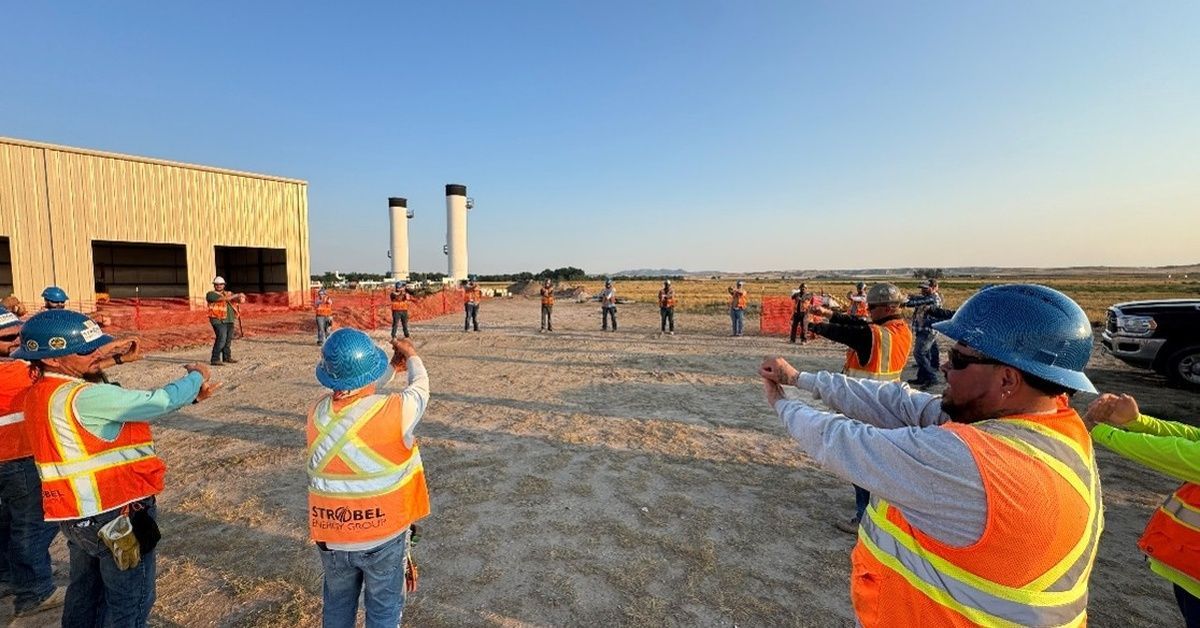
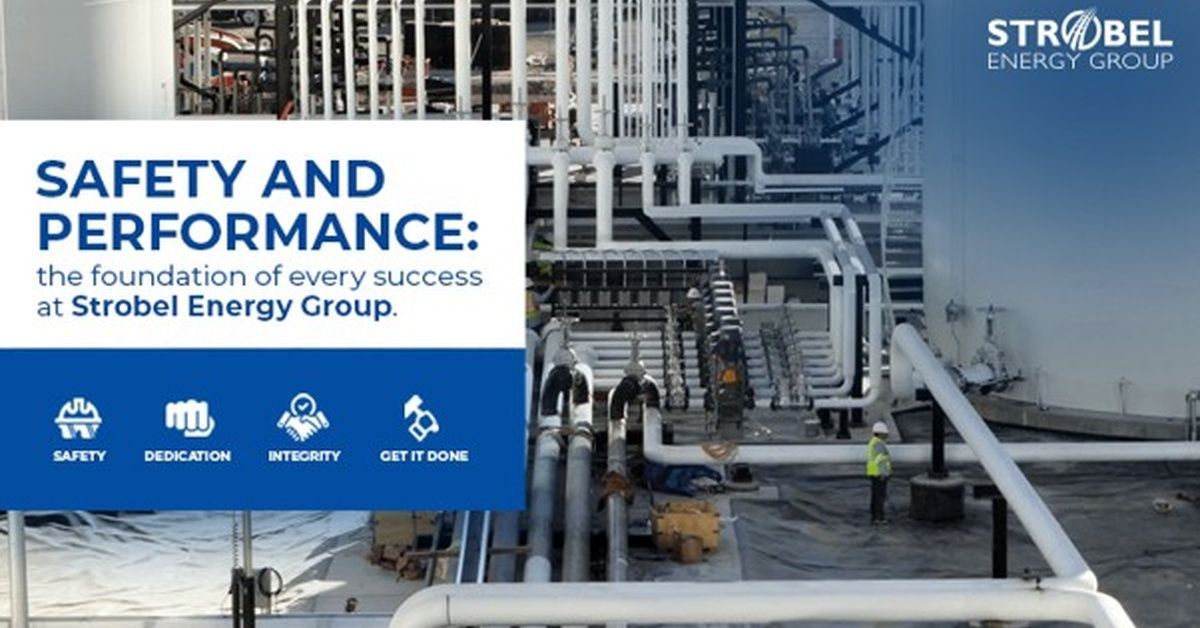
Safety isn't treated as a separate task on industrial construction projects. It becomes part of daily operations from mobilization through project completion. Every crew member understands site expectations before work begins. Daily safety meetings review upcoming activities, equipment hazards, changing site conditions, and protective measures. Supervisors continue site observations throughout the day so safe work practices remain consistent.
Industrial projects involve heavy equipment, elevated work areas, confined spaces, energized systems, and complex machinery. Structured safety programs help reduce unnecessary exposure to these hazards while supporting steady project progress.
A safe project also creates better productivity. Fewer incidents lead to fewer interruptions, allowing crews to stay focused on construction rather than recovery efforts.
Quality Control Happens Throughout Construction
Another critical way industrial contractors manage complex projects is through quality control efforts. Quality doesn't wait until final inspections. Contractors evaluate work continuously as construction progresses. Inspection checkpoints verify materials, fabrication, installation procedures, weld quality, dimensional accuracy, and equipment placement before crews move into the next phase.
This step-by-step approach reduces costly rework later. For example, structural steel alignment should always receive verification before piping installation begins. Pipe testing takes place before insulation crews arrive. Electrical systems receive inspections before startup activities begin. Each completed task provides confidence for the next phase. Small corrections early prevent larger project delays near completion.
Supply Chain Coordination Reduces Delays
Industrial projects rely on thousands of individual components. Structural steel, piping, valves, electrical equipment, instrumentation, concrete materials, and specialty machinery all must arrive at the right time. Contractors closely coordinate procurement schedules with construction schedules. Materials arrive based on project needs instead of filling valuable site space too early.
Vendor relationships also play a valuable role. Reliable suppliers communicate production schedules, shipping updates, and potential delays early enough for contractors to adjust plans if needed. Good logistics keep crews productive instead of waiting for missing materials.
Flexibility Helps Contractors Adapt to Change
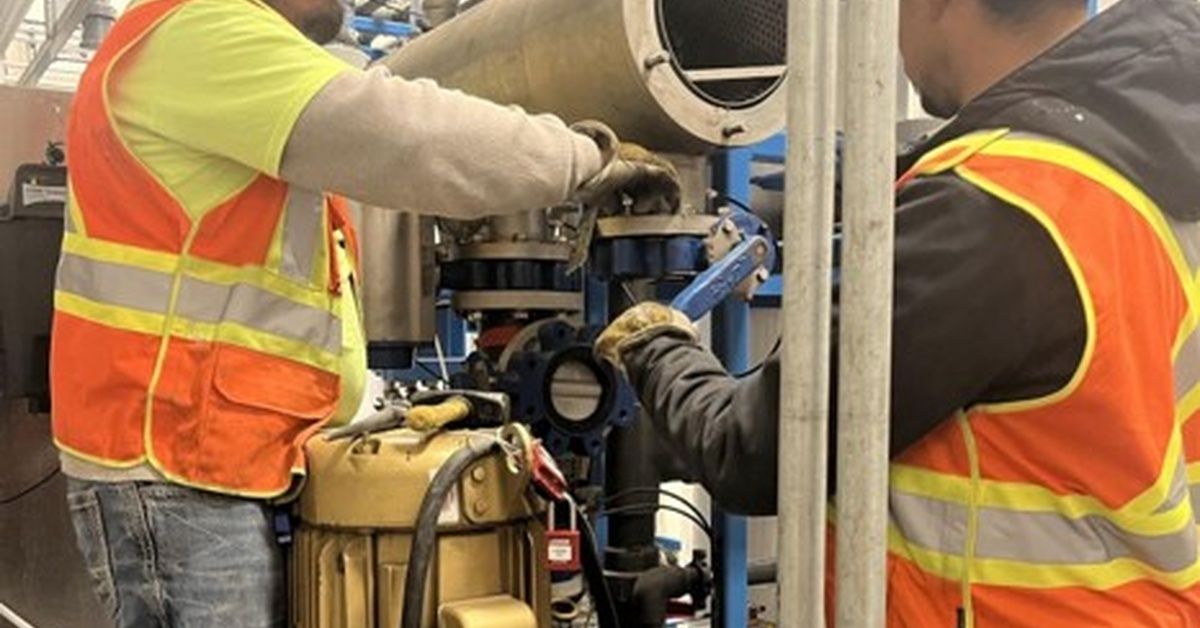
No industrial project follows the original plan perfectly. Owners revise priorities, engineering documents receive updates, and site conditions reveal unexpected obstacles. Talk to an industrial fabrication service that can easily shift with your project needs. Successful contractors respond with organized adjustments instead of reactive decisions.
For example, an underground obstruction discovered during excavation may require revised utility routing. Rather than stopping every activity, project leaders shift crews toward unaffected work until engineers finalize updated drawings. This ability to adapt keeps momentum alive across the project. Flexibility doesn't replace planning. Strong planning provides the structure that allows thoughtful adjustments without creating widespread disruption.
Owners and contractors benefit from understanding how these systems work together long before construction begins. Clear expectations, realistic schedules, and proactive collaboration create stronger project outcomes with fewer surprises along the way. If you're preparing for an upcoming industrial construction project, take time to evaluate the planning process and project management approach before work starts. That preparation creates a stronger foundation for every milestone that follows and helps to ensure a successful project and happy customer.